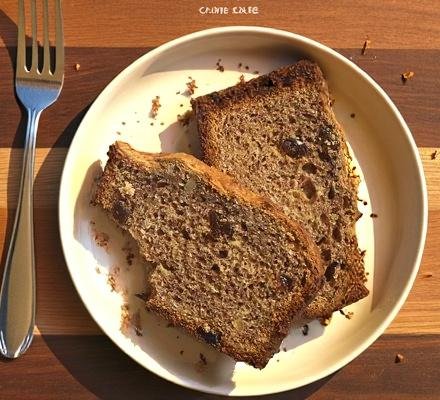
Banana bread is the great equalizer of the baking world. Everyone has a recipe; everyone thinks theirs is the best. But the truth is, great banana bread comes down to a few non-negotiable principles: very ripe bananas, the right fat ratio, and knowing when to stop mixing.
This guide will transform your banana bread from "pretty good" to "people will ask for the recipe."
Our Banana Bread Recipes
The Perfect Bananas: Riper Is Better
Here's the rule: if your bananas look too ripe to eat, they're perfect for banana bread.
As bananas ripen, starches convert to sugars and the flesh becomes softer. Those brown spots? They indicate concentrated sweetness. Completely black bananas—the ones most people throw away—produce the most flavorful, naturally sweet bread.
Banana Ripeness Guide
- Yellow with no spots: Too firm, not sweet enough. Wait a few days.
- Yellow with brown spots: Good for eating, acceptable for bread but not ideal.
- More brown than yellow: Perfect for banana bread. Sweet, fragrant, easy to mash.
- Completely black: Even better! The uglier, the sweeter. Just ensure they're not moldy inside.
Quick Ripening Hack
Need ripe bananas now? Place unpeeled bananas on a baking sheet and bake at 300°F for 15-20 minutes until the skins turn black. Let cool, then use. They won't be quite as flavorful as naturally ripened bananas, but it works in a pinch.
Freezing Bananas for Later
Got ripe bananas but no time to bake? Freeze them:
- Peel the bananas (frozen peels are nearly impossible to remove)
- Place in freezer bags, pressing out air
- Freeze for up to 3 months
- Thaw at room temperature before using—they'll release liquid, which is fine
The Science of Moist Banana Bread
Dry banana bread is a tragedy. Understanding what creates moisture helps you avoid it:
Fat Content
Fat coats flour proteins, preventing gluten formation and creating tender texture. Most recipes use butter, oil, or both:
- Butter: Better flavor, slightly denser texture
- Oil: Moister, more tender crumb, less flavor
- Both: Best of both worlds—our preferred method
Sugar's Role
Sugar does more than sweeten—it attracts and holds moisture. Reducing sugar significantly will result in drier bread. If you want less sweetness, use very ripe bananas (which are sweeter) and reduce sugar modestly.
The Don't-Overmix Rule
Once flour hits the wet ingredients, gluten development begins. Too much stirring creates tough, dense bread. Mix until you no longer see dry flour streaks—and stop. A few lumps are fine; overmixing is not.
Step-by-Step Technique
1. Prep and Preheat
Preheat oven to 350°F (175°C). Grease a 9x5-inch loaf pan or line with parchment paper, leaving overhang for easy removal.
2. Mash the Bananas
Mash bananas with a fork until mostly smooth with some chunks remaining. Completely smooth is fine; some texture adds interest. You need about 1¼ to 1½ cups mashed bananas (3-4 medium bananas).
3. Combine Wet Ingredients
Mix mashed bananas with melted butter (and oil if using). Stir in sugar, then beaten egg and vanilla extract. The mixture will look curdled—that's normal.
4. Add Dry Ingredients
In a separate bowl, whisk flour, baking soda, salt, and spices. Add to wet ingredients and fold gently until just combined. Fold in nuts or chocolate chips if using.
5. Bake Low and Slow
Pour into prepared pan and bake 55-65 minutes until a toothpick inserted in the center comes out clean or with just a few moist crumbs. The top should be golden and cracked.
Important: If the top is browning too quickly, tent loosely with foil after 45 minutes.
6. Cool Properly
Let cool in pan for 10-15 minutes, then turn out onto a wire rack. Slicing while too hot makes the bread gummy. Wait at least 30 minutes—though an hour is better.
Troubleshooting Common Problems
Problem: Sunken Middle
Causes: Underbaked, too much leavening, or opening the oven door too early.
Solutions: Test with a toothpick before removing. Make sure baking soda is fresh (test by adding to vinegar—it should fizz vigorously). Don't open the oven until at least 45 minutes of baking.
Problem: Dense and Heavy
Causes: Overmixing, not enough leavening, or bananas that weren't ripe enough.
Solutions: Mix only until flour disappears. Check baking soda freshness. Use riper bananas next time.
Problem: Dry Texture
Causes: Overbaking, not enough fat, or too much flour.
Solutions: Start checking for doneness at 50 minutes. Measure flour properly (spoon into measuring cup, level off—don't scoop directly from the bag). Consider adding an extra tablespoon of butter or oil.
Flavor Variations
Once you've mastered the basic recipe, try these variations:
- Chocolate Chip: Add 1 cup chocolate chips to the batter
- Double Chocolate: Replace ¼ cup flour with cocoa powder, add chocolate chips
- Walnut: Add 1 cup chopped walnuts (toast first for better flavor)
- Peanut Butter Swirl: Dollop peanut butter on top and swirl with a knife
- Coconut: Add 1 cup shredded coconut and use coconut oil
- Blueberry: Fold in 1 cup fresh blueberries (toss in flour first to prevent sinking)
- Espresso: Add 1 tbsp instant espresso powder to the wet ingredients
- Cream Cheese Swirl: Beat 4 oz cream cheese with 2 tbsp sugar; dollop and swirl
Gut Health Benefits
Bananas provide prebiotic fiber and resistant starch that feed beneficial gut bacteria. Ripe bananas actually contain more digestible starch. Cinnamon adds anti-inflammatory benefits and may help regulate blood sugar response. For extra fiber, add walnuts or use half whole wheat flour.
Storage Tips
- Room temperature: Wrap in plastic wrap or store in airtight container. Lasts 3-4 days.
- Refrigerated: Up to 1 week, but texture becomes denser. Bring to room temperature before serving.
- Frozen: Wrap individual slices in plastic wrap, then foil. Freeze up to 3 months. Thaw at room temperature or toast directly from frozen.
Serving Suggestions
- Warm with butter melting into the slice
- Toasted with cream cheese
- With a scoop of vanilla ice cream for dessert
- French toast style: dip slices in egg mixture and pan-fry
The bottom line: Great banana bread isn't complicated—it's about respecting a few key principles. Use bananas that are riper than you think necessary. Don't skimp on fat. Mix gently. Bake until just done, not a minute longer. Follow these rules and you'll produce banana bread that people genuinely ask for the recipe—and actually make it themselves.