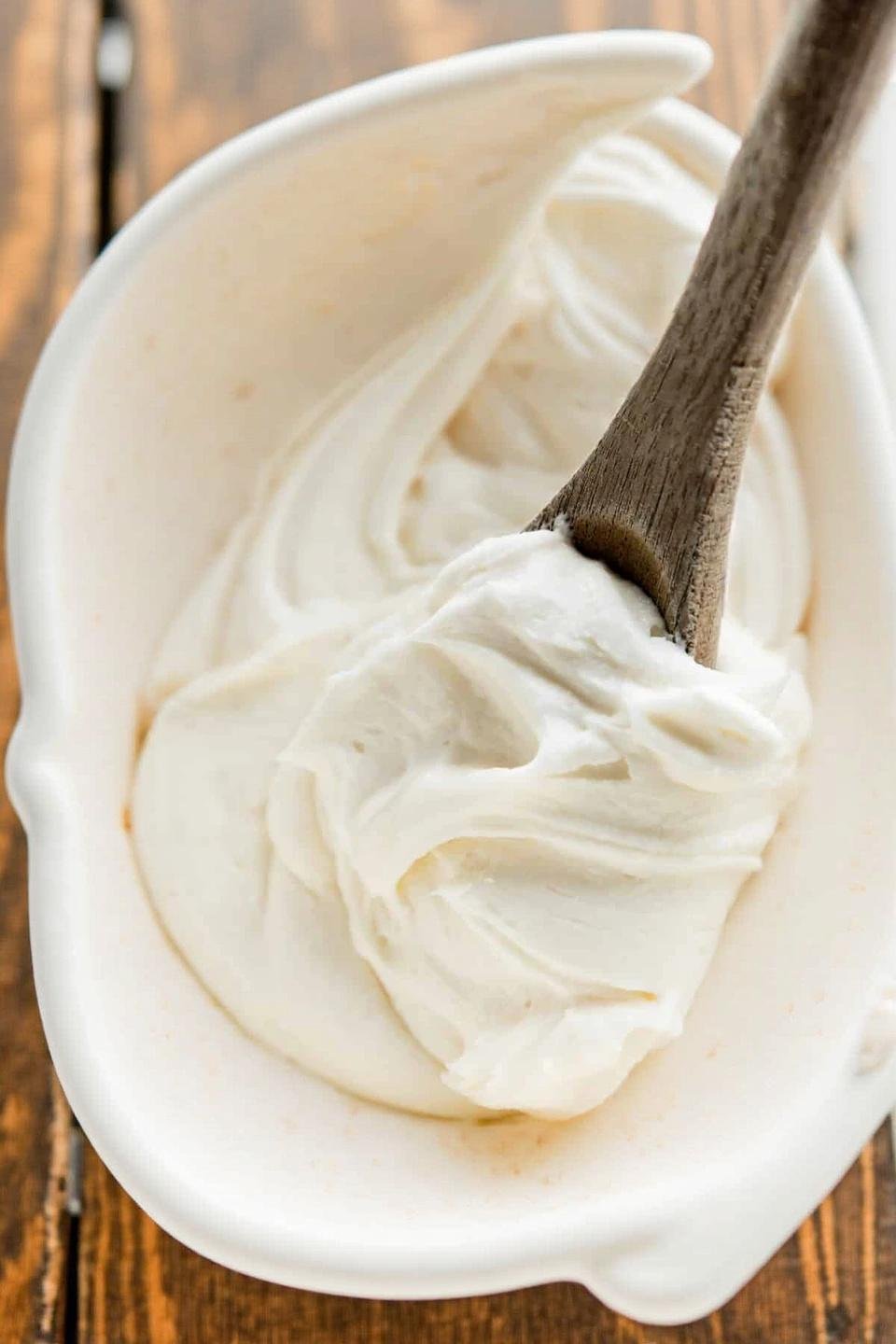
Behind every memorable cake lies exceptional frosting—and butter frosting reigns supreme in the world of cake decorating. Whether you're piping intricate roses, creating smooth finishes, or simply slathering it on homemade cupcakes, mastering buttercream is an essential skill for any home baker.
This comprehensive guide covers everything from the simplest American buttercream to professional decorating secrets, ensuring you have the perfect frosting for every occasion.
Our Classic Butter Frosting Recipe
Understanding the Types of Buttercream
Not all butter frostings are created equal. Each type has distinct characteristics, preparation methods, and ideal uses:
American Buttercream
The simplest and most common buttercream. It combines softened butter with powdered sugar, and comes together in minutes. It's sweeter than other types, holds its shape well for piping, and crusts slightly when dried (which can be desirable for certain decorations).
Best for: Quick cupcakes, simple cakes, and when decorating with children.
Swiss Meringue Buttercream
Made by heating egg whites and sugar over a double boiler, then whipping until cool and adding butter. The result is silky, less sweet than American, and extraordinarily smooth.
Best for: Professional-looking cakes, anyone who finds American buttercream too sweet.
Italian Meringue Buttercream
The most stable buttercream, made by pouring hot sugar syrup into whipping egg whites, then adding butter once cooled. It holds up beautifully in warm conditions and has a sophisticated, less-sweet flavor.
Best for: Outdoor events, warm weather, wedding cakes.
German/Ermine Buttercream
An old-fashioned frosting made by cooking a flour-based pudding, then whipping it with butter and sugar. It's light, fluffy, and less sweet—the original frosting for red velvet cake.
Best for: Those who find traditional buttercream overwhelming, retro recipes.
Essential Ingredients and Their Roles
Butter: The Star Ingredient
Quality matters enormously with buttercream:
- Use unsalted butter so you control the salt content
- European-style butter (82-86% fat) produces silkier results than standard American butter (80% fat)
- Temperature is critical: Butter must be soft enough to beat smoothly but not melting or greasy. It should yield slightly when pressed but hold its shape.
The Butter Temperature Test
Press your finger into the butter. It should leave an indent easily but not feel greasy or look shiny. If it's too cold, it won't cream properly and you'll get lumps. If it's too warm, your frosting will be soupy and won't pipe.
Powdered Sugar
American buttercream uses powdered (confectioners') sugar, which dissolves instantly and contains cornstarch for stability. Always sift it before adding to prevent lumps—nothing ruins buttercream like sugar lumps that won't dissolve.
Liquid Additions
Heavy cream, milk, or even water adjusts consistency:
- Heavy cream: Adds richness and smoothness
- Milk: Lighter option, slightly less rich
- Water: Thins without adding flavor
Add liquids sparingly—you can always add more, but you can't take it away.
Mastering American Buttercream: Step-by-Step
Step 1: Prepare the Butter
Cut butter into cubes and let sit at room temperature for 30-45 minutes. Test by pressing—it should yield easily but not feel greasy. Short on time? Microwave in 5-second bursts, but be cautious: melted butter ruins buttercream.
Step 2: Initial Creaming
Beat butter alone for 3-4 minutes on medium-high until pale, fluffy, and nearly doubled in volume. This step is crucial—it incorporates air that makes your frosting light. Don't rush it. You'll notice the butter change from yellow to almost white.
Step 3: Adding Sugar
Sift your powdered sugar to remove lumps. Add it gradually—about one cup at a time—with the mixer on low speed. This prevents a sugar explosion and ensures thorough incorporation. Scrape down the bowl between additions.
Step 4: Final Beating
Once all sugar is added, increase speed to medium-high and beat for another 3-4 minutes. Add vanilla, salt, and cream during this phase. The extended beating creates an incredibly light, fluffy texture and helps smooth out any remaining graininess from the sugar.
Consistency Guide: Soft, Medium, and Stiff
Different decorating techniques require different consistencies:
- Soft/Thin Consistency: For filling between layers, creating drip effects, or when you want frosting to spread easily. Add more cream, 1 tablespoon at a time.
- Medium Consistency: Ideal for spreading on cakes, basic piping, and most general uses. This is your standard buttercream texture—it holds its shape but spreads smoothly.
- Stiff Consistency: Essential for piping roses, borders, and detailed decorations. Add more powdered sugar or reduce liquid. The frosting should hold sharp peaks without drooping.
Flavor Variations
One basic buttercream recipe transforms into dozens of flavors with simple additions:
- Chocolate: Add ½ cup cocoa powder or 4 oz melted, cooled chocolate
- Strawberry: Mix in ¼ cup freeze-dried strawberry powder (not fresh—too much moisture)
- Lemon: Add 2 tbsp fresh lemon juice and 1 tbsp zest; reduce other liquid
- Coffee/Mocha: Dissolve 1-2 tbsp instant espresso in 1 tbsp hot water, cool, then add
- Salted Caramel: Fold in ¼ cup caramel sauce and extra pinch of flaky sea salt
- Peanut Butter: Replace half the butter with creamy peanut butter
- Cream Cheese: Replace half the butter with room-temperature cream cheese
- Maple: Use maple extract and add 2 tbsp real maple syrup
Troubleshooting Common Buttercream Problems
Problem: Grainy or Gritty Texture
The most common American buttercream complaint. Causes include: sugar not sifted, not beaten long enough, or low-quality powdered sugar.
Solution: Beat for an additional 3-5 minutes on medium-high. The friction and air incorporation help dissolve remaining sugar particles. Using butter at proper temperature also helps.
Problem: Too Sweet
American buttercream is inherently sweet—there's no avoiding it entirely. To reduce sweetness:
- Add a pinch more salt
- Use salted butter instead of unsalted
- Add a splash of lemon juice
- Switch to Swiss meringue buttercream, which uses less sugar
Problem: Too Soft/Won't Hold Shape
Usually caused by butter that's too warm. Refrigerate the entire bowl for 15-20 minutes, then re-whip. You can also add more powdered sugar or reduce liquid. In humid conditions, you may need stiffer buttercream than usual.
Professional Decorating Tips
- Crumb coat first: Apply a thin layer, chill 20 minutes, then apply final coat. This traps crumbs for a clean finish.
- Hot knife method: Dip offset spatula in hot water, dry quickly, and smooth for a professional finish.
- Viva paper towel method: After smoothing, gently press a Viva brand paper towel against the frosting and rub in circles for a porcelain-smooth finish.
- Chill between steps: When piping elaborate decorations, refrigerate periodically to firm up the buttercream.
- Use a turntable: A rotating cake stand makes frosting and decorating infinitely easier.
Storage and Make-Ahead
- Room temperature: Covered, 1-2 days (avoid if very warm)
- Refrigerated: Airtight container, up to 2 weeks
- Frozen: Airtight container, up to 3 months
To reuse chilled buttercream: Let it come to room temperature completely (2-3 hours), then re-whip for 3-5 minutes until fluffy again. It will look curdled at first—keep beating and it will come back together beautifully.
Gut Health Note
While buttercream is certainly a treat food, the butter itself provides butyrate—a short-chain fatty acid that nourishes gut lining cells. For a slightly healthier option, use grass-fed butter which contains more omega-3s. Consider pairing frosted cakes with fresh fruit to add fiber and polyphenols to your celebration.
The bottom line: Buttercream is one of the most versatile skills in baking. Master the basic American version first, then experiment with flavors and techniques. Once you understand the fundamentals—proper butter temperature, gradual sugar addition, and extended beating—you'll be able to create everything from simple cupcake swirls to elaborate wedding cake decorations. The key is practice: make a batch, frost something, and enjoy the delicious results of your effort.