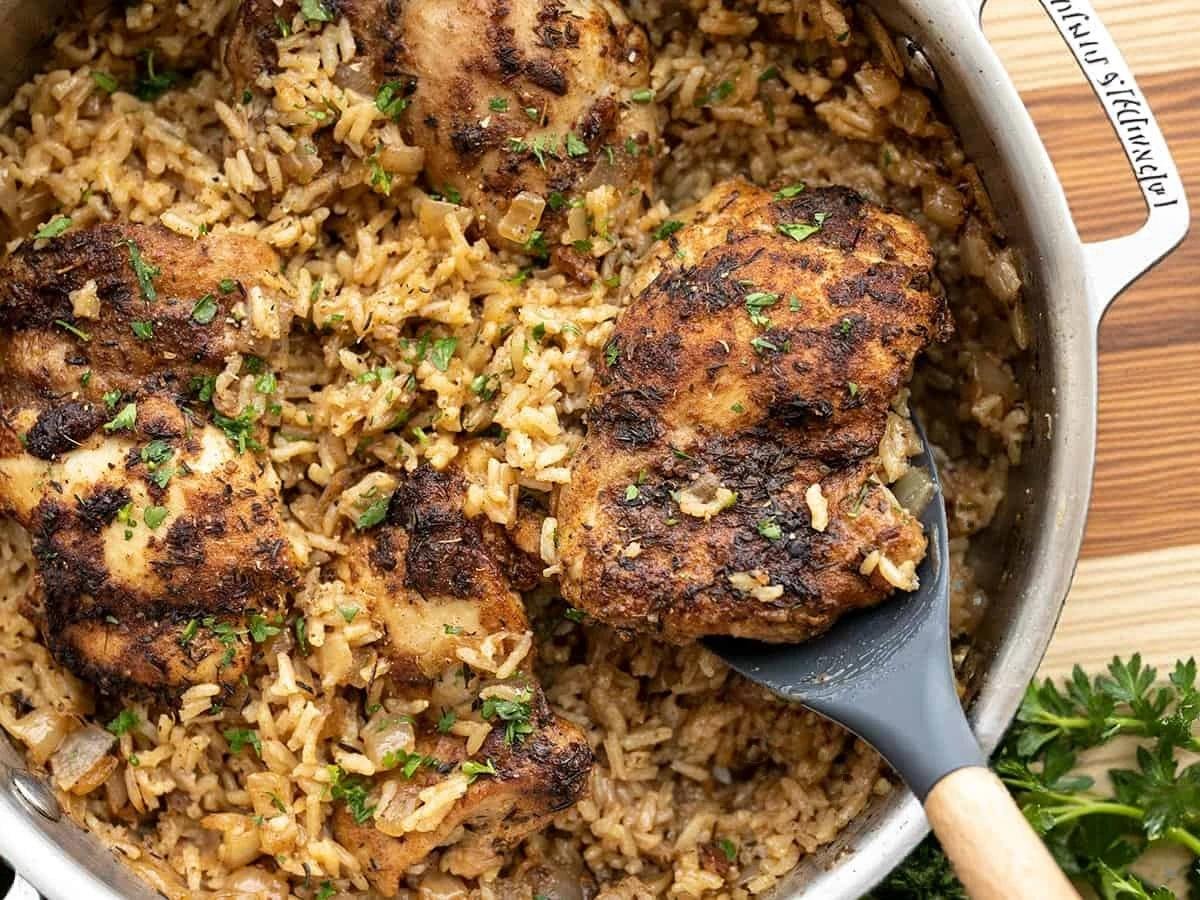
If you're new to meal prep, it might seem overwhelming, but it's a straightforward way to save time and ensure you're eating well throughout the week. By dedicating a few hours to preparing meals in advance, you can avoid last-minute decisions that often lead to unhealthy choices. This guide covers everything from the basics of meal planning to practical batch cooking tips, with a focus on gut health benefits like improved digestion and balanced nutrition.
Meal prep isn't about complicated recipes; it's about efficiency. Whether you're prepping lunches for work or dinners for the family, starting small can make a big difference. We'll reference gut-friendly recipes from BetterEats to get you started, helping you incorporate fibre-rich foods that support a healthy microbiome.
What is Meal Prep?
Meal prep involves preparing meals or components of meals ahead of time, typically for several days. This can include chopping vegetables, cooking proteins, or assembling full dishes. It's a form of food prep that fits into busy lifestyles, reducing the daily effort needed for cooking.
At its core, meal prep combines meal planning with batch cooking. You plan what you'll eat, shop accordingly, and cook in larger quantities. For beginners, this might mean prepping just one meal type, like lunches, before expanding to full weeks.
This approach not only saves time but also promotes healthier eating habits. By having ready-to-eat options, you're less likely to reach for processed foods, which can disrupt gut health. Instead, focus on whole foods that provide prebiotics and probiotics for better digestion.
Benefits of Meal Prep for Gut Health
One major benefit of meal prep is the time savings, allowing you to reclaim evenings for relaxation rather than cooking. But beyond convenience, it supports consistent nutrition, which is crucial for gut health. Regularly consuming fibre-rich meals can improve bowel regularity and reduce inflammation.
Meal planning helps control portions and ingredients, ensuring a balanced intake of nutrients that feed beneficial gut bacteria. Studies show that diets high in diverse plant foods enhance microbiome diversity, leading to better overall health.
Additionally, batch cooking minimises food waste and can be cost-effective. By preparing gut-supportive meals like our quinoa-protein-bowl, you incorporate ancient grains that aid digestion without the daily hassle.
Quick Tip
Start with prepping versatile bases like cooked quinoa or roasted vegetables. These can be mixed and matched throughout the week for variety without extra effort.
Essential Tools for Beginners
To get started with meal prep, you don't need fancy equipment, but a few basics make the process smoother. Invest in quality glass containers for storage—they're durable, microwave-safe, and don't absorb odours. A set of various sizes allows for portioning meals effectively.
A sharp knife and cutting board are essential for efficient food prep. Consider a food processor for quickly chopping vegetables or making sauces, which can speed up batch cooking. Measuring cups and a kitchen scale ensure accurate portions, helping maintain nutritional balance.
For gut health-focused prep, tools like a blender for smoothies or a slow cooker for stews are invaluable. These help create recipes such as our kefir-berry-smoothie, which includes probiotic-rich kefir to support digestive wellness.
Planning Your Meals Effectively
Effective meal planning begins with assessing your schedule and dietary needs. Decide how many meals to prep—perhaps three days' worth to start—and consider gut health by including fermented foods and high-fibre options.
Create a shopping list based on your plan to avoid impulse buys. Focus on seasonal produce for freshness and affordability. For example, plan around recipes like fermented-veggie-salad, which provides natural probiotics.
Incorporate variety to prevent boredom: alternate proteins, veggies, and grains. Track what works in a simple notebook or app, adjusting for preferences and energy levels to make meal prep sustainable.
Planning Tip
Use a weekly template: choose themes like 'Meatless Monday' or 'Soup Sunday' to simplify decisions and ensure nutritional diversity.
Batch Cooking Basics
Batch cooking means preparing larger quantities of food at once. Start with simple recipes that scale well, like soups or casseroles. Cook a big pot of lentil-vegetable-stew, portion it out, and you've got fibre-packed lunches ready.
Focus on multi-use components: roast a tray of mixed vegetables or grill chicken breasts. These can form the base for multiple meals, supporting gut health with their nutrient density.
Time your cooking session for efficiency—chop all veggies first, then cook proteins. This assembly-line approach minimises cleanup and maximises output, making meal prep less daunting for beginners.
Storage and Food Safety Tips
Proper storage is key to safe meal prep. Use airtight containers and label them with dates to track freshness. Most prepped meals last 3-5 days in the fridge; freeze for longer storage.
Follow food safety rules: cool cooked food quickly before storing to prevent bacterial growth. Reheat to at least 75°C and avoid leaving food at room temperature for more than two hours.
For gut health, store fermented items like our chia-seed-pudding separately to preserve their probiotic benefits. Regularly check for spoilage to ensure you're consuming safe, nutritious meals.
Safety Tip
Divide large batches into single servings before storing to cool faster and reduce contamination risks.
Beginner-Friendly Meal Prep Ideas
For beginners, try easy ideas like overnight oats or salad jars. Our gut-friendly-overnight-oats recipe is perfect—mix oats with yoghurt and fruits for a fibre-rich breakfast that supports digestion.
Another option is prepping smoothie packs: portion fruits, greens, and kefir into bags for quick blending. The kefir-berry-smoothie provides probiotics and antioxidants in minutes.
Experiment with soups like bone-broth-chicken-soup, which offers collagen for gut lining health. Start with these to build confidence before tackling more complex preps.
- Breakfast: Prep chia-seed-pudding in jars for grab-and-go ease.
- Lunch: Assemble quinoa-protein-bowl with veggies and dressing on the side.
- Dinner: Batch cook lentil-vegetable-stew for hearty, gut-supportive meals.
In summary, meal prep is an accessible way for beginners to save time and prioritise gut health through thoughtful meal planning and batch cooking. Start small, use the tips provided, and incorporate BetterEats recipes like fermented-veggie-salad for inspiration. With practice, you'll enjoy stress-free, nutritious eating—why not plan your first session this weekend?