Navigating the supermarket aisles can feel overwhelming, but learning to read nutrition labels empowers you to make choices that align with your health goals, particularly for gut health. These labels provide a wealth of information about what’s in your food, from calorie content to hidden additives. In this guide, we’ll break down how to interpret them step by step, focusing on evidence-based insights that promote digestive wellbeing without unnecessary hype.
Whether you’re managing dietary needs or simply aiming for balanced nutrition, understanding labels helps you avoid common pitfalls like excessive sugars or low-fibre options. By the end, you’ll be equipped to select foods that support a healthy gut microbiome, such as those rich in prebiotics and probiotics.
Understanding the Basics of Nutrition Labels
Nutrition labels are standardised tools required on most packaged foods, offering a snapshot of nutritional content per serving. They typically include sections for serving size, calories, macronutrients, micronutrients, and an ingredient list. Starting with the basics ensures you don’t miss key details that could impact your digestive health.
Evidence from health organisations like the NHS emphasises that regular label reading correlates with better dietary habits. For gut health, look for labels indicating high fibre or probiotic content, which can aid digestion and reduce inflammation. Avoid getting bogged down in every number; focus on patterns that suit your needs.
Remember, labels are based on average adult requirements, so adjust for personal factors like age or activity level. This foundational knowledge sets the stage for deeper analysis in subsequent sections.
Quick Tip: Start at the Top
Always begin with the serving size to avoid underestimating portions. For example, a seemingly low-calorie snack might double in impact if you eat the whole packet.
Decoding Serving Sizes and Calories
Serving sizes are often the most misunderstood part of nutrition labels, yet they’re crucial for accurate calorie tracking. The label lists nutrients based on one serving, but packages may contain multiple servings. For instance, a bottle of juice might list 100 calories per serving, but the whole bottle could be 300 calories.
Calories represent energy content, and balancing intake is key for maintaining a healthy weight, which indirectly supports gut health by reducing obesity-related inflammation. Research from the British Dietetic Association suggests aiming for meals with moderate calories while prioritising nutrient density.
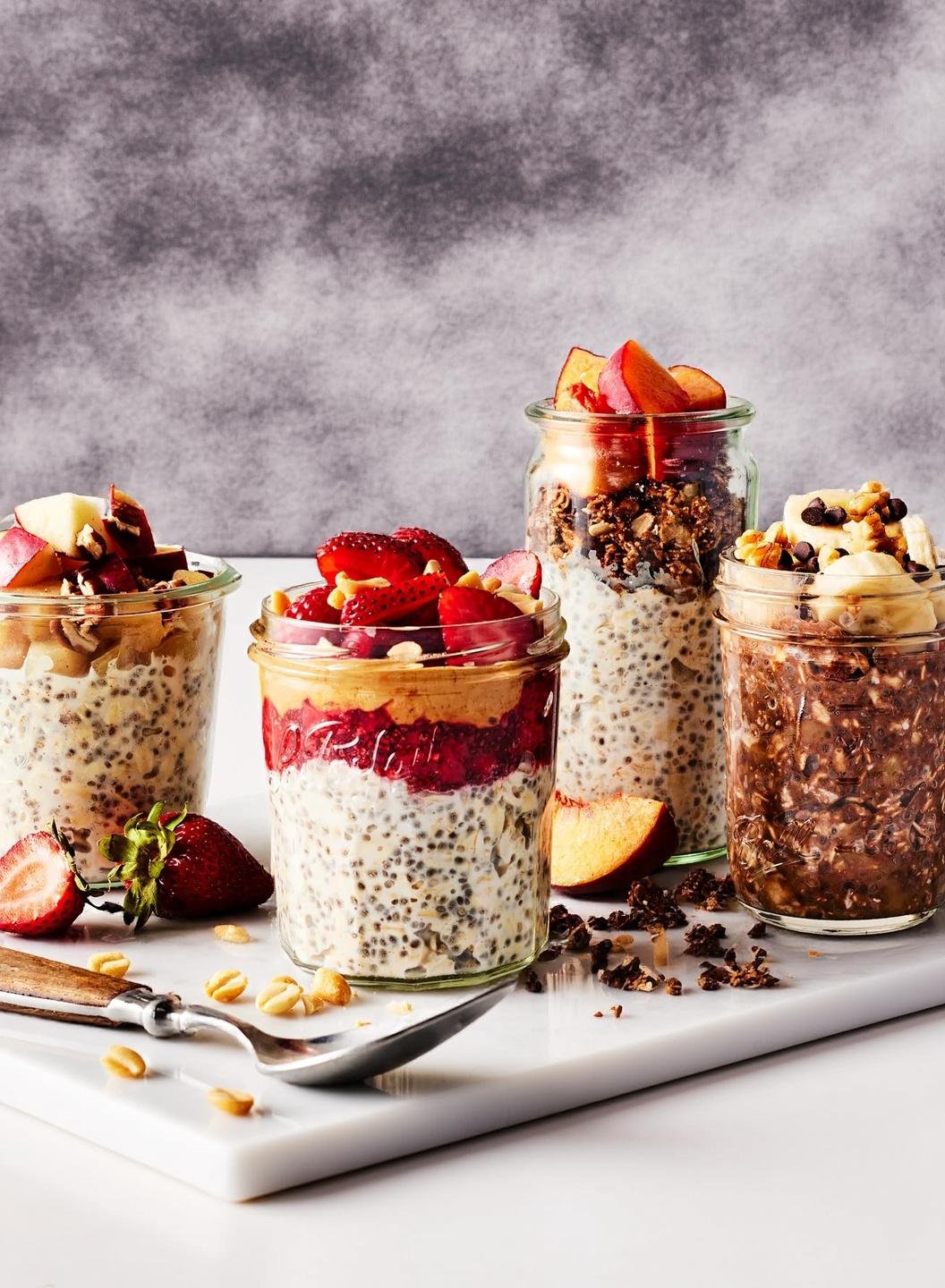
To apply this, compare the serving size to your actual portion. If you’re preparing a gut-friendly breakfast, check our high-fiber-oatmeal-bowl recipe, which provides clear portion guidance to keep calories in check while boosting fibre intake.
Practical examples include cereal boxes where one bowl might exceed the listed serving, leading to unintended calorie surplus. Use measuring tools initially to train your eye for realistic portions.
Navigating Macronutrients: Carbs, Proteins, and Fats
Macronutrients form the bulk of your diet and are detailed on labels with total amounts and daily value percentages. Carbohydrates include sugars and fibre; opt for higher fibre to support gut bacteria fermentation, which produces beneficial short-chain fatty acids.
Proteins are essential for tissue repair, and fats should lean towards unsaturated sources for heart and gut health. Studies in the Journal of Nutrition highlight that balanced macros prevent digestive issues like constipation.
For actionable advice, aim for foods where fibre constitutes at least 10% of carbs. Our whole-grain-quinoa-salad recipe exemplifies this, offering plant-based proteins and healthy fats in one dish.
- Check total carbohydrates and subtract fibre for net carbs if monitoring blood sugar.
- Look for at least 5g of protein per serving in snacks to sustain energy.
- Limit saturated fats to under 10% of daily calories for optimal digestion.
Vitamins, Minerals, and Micronutrients
Micronutrients, listed with percentage daily values, are vital for overall health, including gut function. Vitamins like B12 and minerals such as magnesium support enzyme activity in digestion.
Evidence from gut health research shows that deficiencies in zinc or vitamin D can impair microbiome diversity. Labels help identify fortified foods that bridge gaps in your diet.
Incorporate this by selecting products with at least 20% daily value for key micronutrients. For a boost, try our gut-friendly-smoothie, packed with vitamin-rich fruits and veggies.
Real-world application: If a label shows low calcium, pair the food with a dairy alternative. This approach ensures comprehensive nutrition without supplements.
Quick Tip: Focus on Percentages
Use the % daily value to gauge if a food is high (20%+) or low (5% or less) in a nutrient, tailoring to your gut health needs like increasing potassium for better digestion.
Spotting Added Sugars and Sodium
Added sugars and sodium are highlighted on modern labels due to their links to health issues. Excessive sugar can disrupt gut bacteria balance, leading to dysbiosis, while high sodium may cause bloating.
The World Health Organization recommends limiting added sugars to under 10% of daily calories. Check labels for terms like 'cane sugar' or 'high-fructose corn syrup'.
For sodium, aim for under 2000mg daily. Our low-sodium-vegetable-stir-fry recipe demonstrates how to flavour meals naturally without excess salt.
- Scan for added sugars in unexpected places like yoghurts or sauces.
- Choose low-sodium options to prevent water retention affecting gut comfort.
- Balance with potassium-rich foods to counteract sodium effects.
Reading the Ingredient List Effectively
The ingredient list is ordered by quantity, with the most abundant first. This reveals if a product is truly whole-food based or filled with additives.
For gut health, prioritise lists starting with recognisable ingredients like vegetables or grains, avoiding artificial preservatives that might irritate the digestive tract. Research in Gut journal links clean labels to better microbiome health.
Apply this by avoiding products where sugar or salt appears in the top three. Enhance your meals with our fermented-kimchi-salad, featuring simple, probiotic-rich ingredients.
Watch for allergens or intolerances listed here. Shorter lists often indicate less processed foods, supporting sustained energy and digestion.
Practical Tips for Shopping with Labels in Mind
Armed with label knowledge, implement strategies like comparing similar products for better options. For example, choose the yoghurt with higher probiotics and lower sugars.
Integrate gut health by selecting high-fibre items; our probiotic-yogurt-parfait pairs well with label-savvy shopping for a balanced start to the day.
Make it a habit: Spend an extra minute per item in the store. Over time, this builds intuitive choices that enhance wellbeing.
- Use apps to scan labels for quick analysis.
- Plan meals around label-friendly recipes from BetterEats.
- Track progress by noting improvements in energy or digestion.
Quick Tip: Build a Label Checklist
Create a mental or written list: Check serving, calories, fibre, sugars, and top ingredients. This streamlines decisions and prioritises gut-supportive foods.
In summary, reading nutrition labels like a pro involves systematic review of servings, nutrients, and ingredients to foster informed, health-promoting choices. Start applying these tips on your next shop, and explore BetterEats recipes like gut-friendly-smoothie or probiotic-yogurt-parfait for label-aligned meals. Your gut will thank you—take action today for lasting benefits.