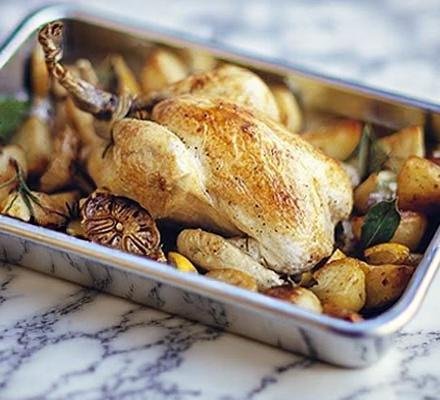
A whole roast chicken is the test of a cook. It seems simple—bird in oven, wait, eat—but the gap between adequate and excellent is enormous. Golden, crackling skin over juicy meat. The smell filling your house. Enough food for a family with leftovers for tomorrow. That's what we're after.
This guide covers everything: selecting the right bird, preparation steps most recipes skip, the roasting process itself, and what to do with what's left. By the end, you'll roast chicken like you've been doing it for decades.
Why Roast Chicken Matters
Roast chicken occupies a unique position in cooking. It's both a weeknight dinner and a celebration. It costs £10-15 and feeds four people. It's forgiving of timing mistakes yet rewards proper technique. Perhaps most importantly, it teaches transferable skills—seasoning, temperature control, resting, carving—that apply to every protein you'll ever cook.
Master roast chicken and you understand meat cookery fundamentally.
Choosing Your Bird
The chicken you buy determines the ceiling for how good your roast can be. No technique compensates for poor-quality bird.
Understanding Quality Tiers
Standard supermarket chicken: Raised intensively in 35-40 days. Bland, soft texture, lots of water injected. Fine for stir-fries where you're adding flavour. Disappointing roasted.
Free-range: More space, slightly longer life (56+ days), better flavour and texture. Noticeable improvement for roasting.
Organic free-range: Organic feed, outdoor access, longest life (81+ days). Most developed flavour, firmest texture. For roasting, worth the premium.
For Sunday dinner, buy the best chicken you can afford. A £12 organic chicken feeding four is still £3 per person—cheaper than most fast food.
Size Matters
For 4 people with leftovers: 1.8-2kg bird. For 2 people with good leftovers: 1.5kg. Smaller birds cook faster and more evenly but give less meat. Larger birds provide more servings but risk overcooking the breast before the legs are done.
Essential Preparation Steps
What you do before the oven matters enormously:
Dry the Skin
Wet skin steams instead of crisping. Pat the chicken completely dry with paper towels—outside and inside the cavity. Better yet, leave it uncovered on a plate in the fridge overnight. The circulating cold air dries the surface thoroughly. This single step makes more difference to crispy skin than any other.
Bring to Room Temperature
Take the chicken out of the fridge 1 hour before cooking. A cold chicken goes into a hot oven with uneven internal temperatures—the outside overcooks while the interior catches up. Room temperature means even cooking from the start.
This isn't optional for good results.
Season Under the Skin
Here's what most recipes don't tell you: seasoning the outside mostly seasons the skin you'll discard or eat separately. For seasoned meat, you need to get under the skin.
Gently loosen the skin from the breast meat with your fingers—it separates easily. Rub softened butter mixed with salt, pepper, and herbs directly onto the meat. The butter bastes from the inside during cooking while the seasonings actually flavour what you're eating.
The Flavoured Butter Formula
For one chicken: 50g soft butter + 1 tsp salt + herbs of choice (thyme, rosemary, or tarragon work well) + zest of one lemon. Mash together, push under the skin. This simple step elevates roast chicken from good to memorable.
The Roasting Process
The Two-Temperature Method
High heat crisps skin; moderate heat cooks through gently. Using both gives you the best results:
- Start at 220°C for 20-30 minutes until skin is golden and beginning to crisp
- Reduce to 180°C for remaining cooking time until done
This approach gives crispy skin without overcooking the meat.
Timing Guide
As a baseline: 20 minutes per 500g plus 20 minutes extra at 180°C (after the initial high-heat phase).
- 1.5kg bird: ~1 hour total
- 1.8kg bird: ~1 hour 15 minutes
- 2kg bird: ~1 hour 25 minutes
But don't trust time alone—trust temperature.
The Temperature That Matters
Use a meat thermometer. The chicken is done when the thickest part of the thigh reaches 74°C. Check without touching bone, which conducts heat differently.
The breast will register slightly lower (around 70°C) when the thigh hits 74°C—that's fine. Breast meat tolerates slightly less cooking than dark meat, so this slight difference actually results in both being properly done.
Our Roast Chicken Recipes
Resting: The Step Everyone Skips
Rest the chicken for 15-20 minutes before carving, loosely tented with foil. Here's why this matters:
During cooking, heat drives juices toward the centre. A freshly-cooked chicken sliced immediately spills those juices onto your cutting board. Resting allows juices to redistribute throughout the meat, resulting in moist chicken rather than a puddle of lost flavour.
The chicken won't go cold—carryover cooking actually continues during resting. It stays plenty hot.
Carving for Maximum Yield
Proper carving gets more meat off the bird and presents it better:
- Remove the legs: Cut through skin between leg and body. Pop the joint, cut through it.
- Separate thigh from drumstick: Find the joint, cut through.
- Remove the wings: Same technique—find joint, cut through.
- Remove each breast: Cut down one side of the breastbone, following the bone with your knife to release the whole breast in one piece.
- Slice the breast: Against the grain, on a bias, for presentation.
Save the carcass. You're not done using this chicken yet.
Using Everything: Stock and Leftovers
A roast chicken gives you three meals if you use it properly:
Meal 1: The roast itself, with roast potatoes and vegetables.
Meal 2: Leftover chicken in sandwiches, salads, or fried rice.
Meal 3: Stock from the carcass for soup.
Making Quick Stock
Cover the carcass (and any bones from the meal) with water. Add an onion, carrot, celery stalk, and a few peppercorns. Simmer for 2-3 hours, strain. That's stock that would cost £3-4 to buy—from scraps you'd otherwise bin.
Freeze in portions for future soups and sauces.
Perfect Accompaniment
The Sunday-Monday Flow
Sunday: Roast chicken with all the trimmings. Monday: Leftover chicken in sandwiches or salad. Monday evening: Put carcass on to simmer. Tuesday: Freeze stock, use some for chicken soup. One chicken, properly used, feeds a family for half a week.
The bottom line: Roast chicken is simple but not simplistic. Dry skin, butter under the skin, two-temperature roasting, and proper resting transform a basic technique into something genuinely impressive. Master these steps once and you'll roast perfect chicken every time.