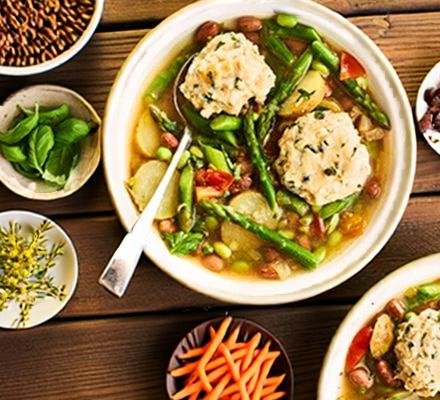
Vegetable soup has an image problem. Too often it's watery, bland, and eaten only for health reasons rather than pleasure. This is a failure of technique, not of vegetable soup as a concept. A properly made vegetable soup is comfort food—warming, satisfying, something you'd choose even if nutrition weren't a consideration.
These recipes demonstrate what vegetable soup can be when you take it seriously.
Building Flavourful Vegetable Soup
Great vegetable soup starts with understanding how to build flavour without meat:
Start with Aromatics
The French call it mirepoix, the Italians call it soffritto, but every cuisine knows: onions, carrots, and celery (or their variations) cooked slowly in fat create a flavour base that water and vegetables alone cannot.
This step cannot be rushed. Cook the aromatics until soft and sweet, 10-15 minutes minimum. The caramelisation that happens here is where depth comes from.
Stock Matters
Water makes watery soup. Good vegetable stock—homemade or quality store-bought—makes proper soup. If you're using cubes or powder, that's fine, but taste as you go. Some are saltier than others.
For vegetable soup specifically, don't overlook using vegetable scraps for stock: onion ends, carrot peels, celery leaves, mushroom stems. Simmer for an hour and strain. Free stock from kitchen waste.
Layer Your Vegetables
Not all vegetables cook at the same rate. Potatoes and root vegetables need longer than courgettes and greens. Add in stages—hard vegetables first, delicate ones at the end. Everything should be perfectly cooked, not some bits mush while others are raw.
The Parmesan Rind Trick
If you have parmesan rinds (the hard ends from finished wedges), drop one into any vegetable soup. It adds umami depth that makes vegetable soup taste richer. Fish it out before serving. Save rinds in the freezer specifically for this purpose.
Chunky Vegetable Soups
Chunky soups feel more substantial than puréed ones. There's something about chewing that registers as a proper meal.
Classic Chunky Vegetable Soup
The template for all chunky vegetable soups: aromatics sweated until soft, stock added, vegetables added in order of cooking time, simmered until everything is tender. Season properly (more than you think), add fresh herbs at the end, and you have soup worth eating.
The vegetables can vary based on season and preference. Root vegetables in winter, courgettes and beans in summer. The technique stays the same.
Minestrone: The Italian Classic
Minestrone is peasant food perfected—whatever vegetables you have, beans for protein, pasta or rice for body, parmesan for umami. It's never the same twice and always satisfying.
The key is treating it as a thick, stew-like soup rather than broth with things floating in it. It should be substantial enough to stand your spoon in.
Smooth and Silky Soups
Puréed soups transform vegetables into something elegant. The blending creates creaminess without cream (though cream certainly doesn't hurt). These are the soups that feel like restaurant quality.
Carrot Ginger Soup
Carrots have enough natural sweetness that they purée into something almost luxurious. Fresh ginger adds warmth without overpowering. A hint of orange juice brightens everything.
This soup works equally well hot or chilled—make a batch and eat it both ways depending on the weather.
Classic Tomato Soup
Tomato soup is comfort food simplicity—tinned tomatoes, aromatics, stock, and a blender. The secret is cooking the tomatoes long enough to lose their raw edge and develop sweetness. A touch of cream stirred in at the end transforms it from good to luxurious.
Serve with a proper grilled cheese sandwich for the classic combination.
Legume-Based Soups
Beans and lentils turn vegetable soup into a protein-rich meal. They also break down partially during cooking, thickening the broth naturally. These soups are substantial enough to serve as dinner.
Lentil Soup
Lentil soup done right is earthy, warming, and deeply satisfying. The lentils absorb aromatics and spices, becoming vehicles for flavour. Red lentils break down into a thick purée; green or brown lentils hold their shape for texture contrast.
A squeeze of lemon at the end is essential—it lifts the whole soup from good to bright and alive.
Spiced Chickpea Soup
Chickpeas with cumin, coriander, and a touch of harissa create a soup with North African influences. Unlike lentils, chickpeas stay whole and provide texture contrast in every bite.
Serve with a swirl of yoghurt and warm flatbread for a complete meal.
Techniques for Better Soup
A few additional techniques that apply across all vegetable soups:
Season as You Go
Don't wait until the end to season. Salt the aromatics as they cook. Season the stock when you add it. Taste and adjust throughout. Seasoning at the end sits on top of flavour; seasoning during cooking integrates into it.
Finishing Touches
What happens after cooking matters as much as cooking itself:
- Acid: A squeeze of lemon or splash of vinegar brightens flavour dramatically.
- Fat: A drizzle of good olive oil adds richness and sheen.
- Fresh herbs: Dried herbs cook into the soup; fresh herbs garnish it.
- Texture: Croutons, seeds, or a dollop of cream add interest.
The Make-Ahead Advantage
Most vegetable soups improve overnight. The flavours meld and deepen as they sit. Make soup on Sunday, eat it better on Monday. This isn't compromise—it's strategy. Soups that taste good fresh often taste great the next day.
The bottom line: Vegetable soup done right is comfort food that happens to be healthy, not health food you tolerate. Proper aromatics, good stock, layered cooking, and smart finishing transform basic vegetables into bowls worth craving. These recipes prove the point.