Is Gulasz - Polish Pork Goulash Good for Your Gut?
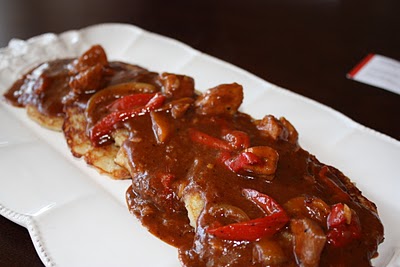
This Polish pork goulash is flavorful and includes some gut-positive elements (olive oil, peppers, and prebiotic-rich onion/garlic), but overall it is limited by low fiber density and reliance on refined wheat flour for dredging and thickening. The probiotic contribution is minimal because there are no fermented foods with live cultures. Glycemic stability is moderate-to-low when served over potato pancakes, especially if the pancakes are fried and eaten hot. With a few cuisine-compatible swaps (low-FODMAP aromatics, fiber-forward thickener, and a whole-grain base), the gut health profile can improve substantially.
✅ Gut Heroes
- 85 2 cloves garlic, minced — Garlic is rich in fructans that act as prebiotics and can increase beneficial SCFA production
- 82 1 cup chopped onion — Onion contains fructans (prebiotic fibers) that can feed Bifidobacteria and increase SCFA production
- 80 3 tablespoons olive oil — Extra virgin olive oil polyphenols can support a healthier gut microbial pattern and reduce inflammation
⚠️ Gut Villains
- 38 3/4 cup flour — Refined wheat flour is low in microbiota-accessible fiber and can displace higher-fiber thickeners
- 38 3 tablespoons flour — Additional refined flour thickening increases refined carbohydrate load without adding fermentable fiber
FODMAP Alert
High-FODMAP ingredients include onion and garlic (fructans) and wheat flour (fructans). For a lower-FODMAP version, use chives or green onion tops instead of onion, garlic-infused oil instead of garlic, and replace wheat flour with oat flour or a cornstarch/arrowroot slurry.
🔄 Quick Swaps to Boost Your Score
Lower-FODMAP aromatic swap that reduces fructan load while keeping onion-like flavor.
Keeps garlic flavor with minimal fructans, improving IBS/FODMAP tolerance.
Adds beta-glucan soluble fiber that supports SCFA production and steadier blood sugar.
Important Medical Disclaimer
I am NOT a doctor or medical professional. The BetterEats Score is an educational tool based on nutritional research. This is NOT medical advice.
Our FODMAP information is based on Monash University Low FODMAP research, the world's leading authority on FODMAPs and digestive health. However, this is NOT a substitute for professional guidance. Always consult a qualified healthcare professional before making dietary changes.
📊 Detailed Analysis
4-Pillar Gut Health Analysis
This stew has some prebiotic potential from onion, garlic, and bell peppers, but overall fiber density is limited because the base is meat plus refined flour thickening. Serving over potato pancakes further reduces prebiotic density compared with whole grains or legumes.
There are no fermented foods with live cultures in the recipe, so it does not directly add probiotics. The dish is not inherently hostile to probiotics, but it mainly provides cooked ingredients without live microbes.
Olive oil and paprika contribute polyphenols and antioxidant activity, and peppers add carotenoids/vitamin C. However, pork (especially depending on cut) and refined flour-based thickening make the overall profile more neutral than strongly anti-inflammatory.
The stew itself is moderate, but the recipe uses significant refined wheat flour and is served over potato pancakes, which can raise glycemic load. Limited fiber and resistant starch means less buffering of post-meal glucose spikes.
Full Ingredient Breakdown
Provides protein but no fiber to feed beneficial microbes. Higher saturated fat cuts can promote a more inflammatory bile-acid profile in some people, so cut choice matters.
Refined wheat flour is low in microbiota-accessible fiber and can displace higher-fiber thickeners. It is also a wheat-based high-FODMAP trigger for some IBS patients (fructans).
Salt has no direct prebiotic benefit; very high sodium patterns may negatively affect gut barrier and blood pressure. In normal culinary amounts it is largely neutral.
Contains piperine and polyphenols that may support antioxidant status, but used in small amounts. Generally neutral for gut health unless it irritates reflux or sensitive GI tracts.
Extra virgin olive oil polyphenols can support a healthier gut microbial pattern and reduce inflammation. It also replaces more omega-6-heavy oils that can be more pro-inflammatory.
Onion contains fructans (prebiotic fibers) that can feed Bifidobacteria and increase SCFA production. It is high-FODMAP and can trigger IBS symptoms despite its prebiotic benefits.
Bell peppers provide vitamin C and carotenoids that support anti-inflammatory pathways and gut barrier integrity. Fiber is moderate, so they help but are not a major prebiotic driver.
Garlic is rich in fructans that act as prebiotics and can increase beneficial SCFA production. It is also high-FODMAP and commonly worsens bloating/pain in IBS.
Broth adds hydration and minerals but little fiber or polyphenols. Bouillon cubes can be high in sodium and may contain additives; overall gut impact is mostly neutral.
Tomato paste provides lycopene and polyphenols with antioxidant activity. Amount is small and fiber is limited, so it contributes modestly to gut-supportive compounds.
Paprika contains carotenoids and polyphenols that can support anti-inflammatory signaling. Spices can be beneficial in small amounts, though heat may irritate sensitive guts.
Adds small amounts of polyphenols/piperine; overall effect is minor. Can be irritating for some people with gastritis or reflux.
Allspice provides aromatic polyphenols that may have mild antimicrobial/antioxidant effects. Used in small quantities, it is largely neutral for microbiome support.
Red wine contains polyphenols, but most alcohol cooks off during simmering; remaining benefit is modest. Some individuals are sensitive to wine histamines/sulfites.
Water supports hydration and digestion but does not add fiber or bioactives. Neutral for gut health.
Additional refined flour thickening increases refined carbohydrate load without adding fermentable fiber. Wheat fructans can be problematic for IBS/FODMAP-sensitive individuals.
Potatoes are generally moderate GI and low in fiber when processed into pancakes; frying can further reduce glycemic stability. Cooling cooked potatoes can increase resistant starch, but pancakes are often eaten hot.
🔬 Science Notes
Fructans in Onion and Garlic (Prebiotic vs. High-FODMAP)
Onion and garlic contain fructans that can act as prebiotics, increasing short-chain fatty acid (SCFA) production that supports colon cells and gut barrier function. In IBS, these same fructans are high-FODMAP and can be rapidly fermented, increasing gas and luminal water, which may worsen bloating and pain.
Olive Oil Polyphenols and the Gut Microbiome
Extra virgin olive oil provides polyphenols that can be metabolized by gut microbes into bioactive compounds, supporting anti-inflammatory signaling. Diet patterns rich in olive oil (e.g., Mediterranean-style) are associated with improved microbial diversity and lower inflammatory markers.
Refined Flour, Low Microbiota-Accessible Carbohydrates, and Glycemic Effects
Refined wheat flour is low in microbiota-accessible carbohydrates (MACs), reducing substrate for beneficial fermentation compared with whole grains and legumes. Refined starches also tend to raise postprandial glucose more quickly, which can negatively affect gut barrier and inflammatory tone over time.
Resistant Starch from Potatoes Depends on Cooling
When potatoes are cooked and then cooled, some starch retrogrades into resistant starch, which reaches the colon and is fermented into SCFAs like butyrate. If eaten hot and freshly cooked (as with many potato pancakes), resistant starch formation is lower and glycemic impact is typically higher.
📚 Research & Citations
Our gut health scoring methodology is informed by peer-reviewed research. Key references include:
Development of the Low FODMAP Diet - The original research
PubMed - Effects of prebiotics on gut microbiota composition
PubMed - Dietary patterns and inflammation markers
Read our full methodology → for detailed scoring criteria and additional research citations.
✨ Full Optimization Guide
All Ingredient Swaps:
Lower-FODMAP aromatic swap that reduces fructan load while keeping onion-like flavor.
Keeps garlic flavor with minimal fructans, improving IBS/FODMAP tolerance.
Adds beta-glucan soluble fiber that supports SCFA production and steadier blood sugar.
Reduces refined wheat exposure and can improve texture with less fermentable trigger load.
Higher-fiber, more glycemically stable base that better supports microbiome fermentation.