Executive Summary
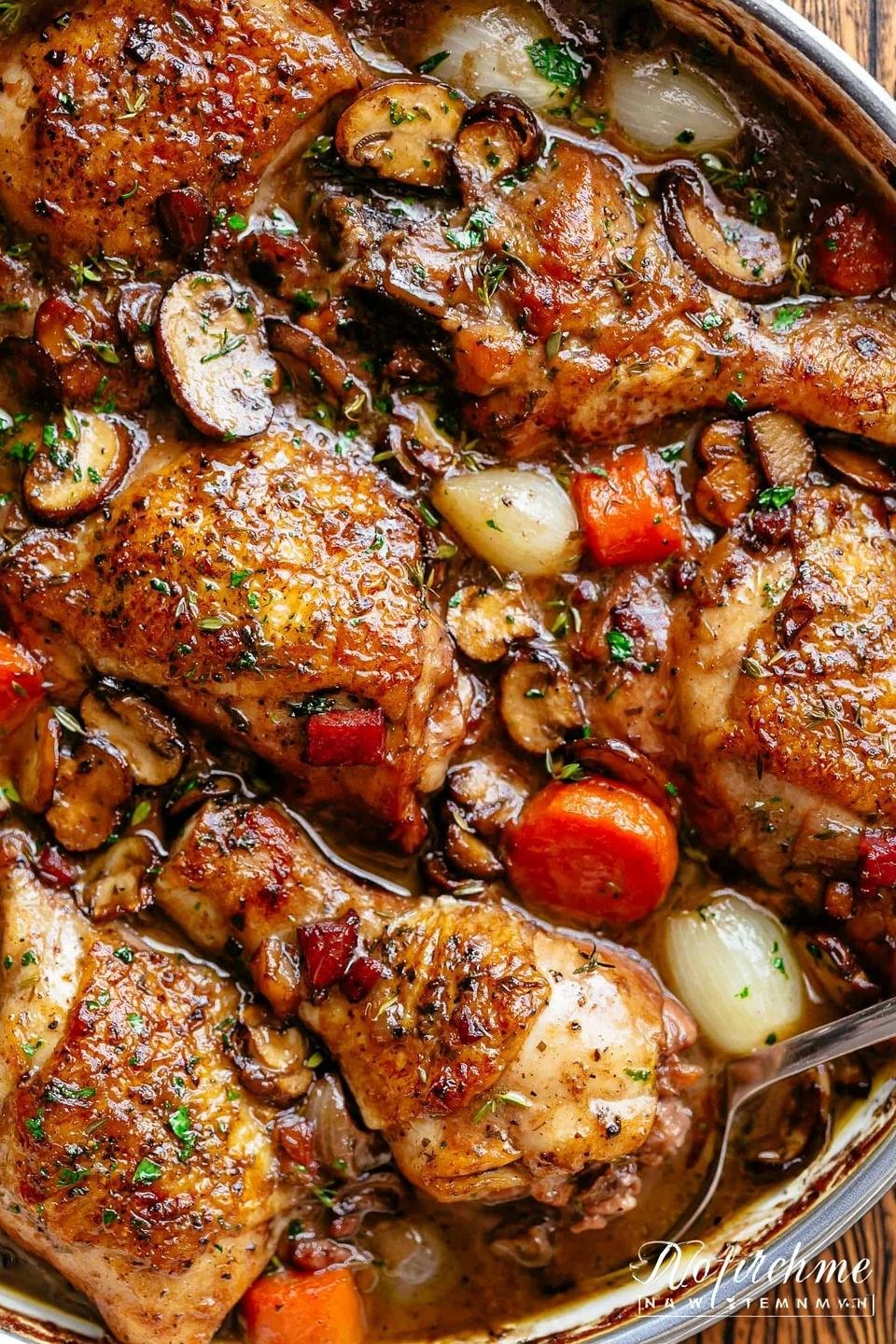
This classic French braised chicken earns a solid B grade at 68/100, reflecting its mixed gut health profile. The abundant prebiotic alliums (garlic and shallots) and olive oil create a strong foundation for microbiome support, while the mushrooms add valuable beta-glucans. However, the processed bacon significantly detracts from an otherwise gut-friendly dish. The excellent glycemic profile (only 7g carbs, 43g protein) makes this appropriate for those managing blood sugar. For gut health optimization, reducing or eliminating the bacon and adding a live-culture accompaniment would elevate this dish considerably. A hearty, satisfying meal that delivers moderate gut benefits.
4-Pillar Analysis
🌱 Prebiotic Density
78/100Weight: 35% of total score
Strong prebiotic profile from garlic (3 cloves), shallots (12 small), and mushrooms. These alliums provide inulin and fructooligosaccharides that selectively feed beneficial Bifidobacteria.
🦠 Probiotic Factor
50/100Weight: 15% of total score
Minimal probiotic content. The butter provides some butyrate but no live cultures. Adding a live-culture crème fraîche garnish could significantly boost this score.
🔥 Anti-Inflammatory Index
72/100Weight: 30% of total score
Good anti-inflammatory profile from olive oil (3.5 tbsp total), garlic, and fresh herbs (thyme, rosemary, parsley). The red wine polyphenols add resveratrol benefits. Bacon partially offsets with pro-inflammatory compounds.
📊 Glycemic Stability
92/100Weight: 20% of total score
Excellent glycemic stability. Very low carbohydrate content (7g), no added sugars, and high protein (43g) ensures minimal blood sugar impact. The small amount of flour for thickening is negligible.
Ingredient-by-Ingredient Analysis
| Ingredient | Impact | Score | Notes |
|---|---|---|---|
| Garlic (3 cloves) | ✓ Positive | 95 | Prebiotic inulin, allicin with antimicrobial properties, supports beneficial bacteria |
| Shallots (12 small) | ✓ Positive | 92 | Fructooligosaccharides, quercetin antioxidant, gentle prebiotic fiber |
| Olive Oil (4.5 tbsp total) | ✓ Positive | 90 | Polyphenols supporting gut barrier, oleic acid reducing inflammation |
| Chestnut Mushrooms (250g) | ✓ Positive | 88 | Beta-glucans feeding gut bacteria, ergothioneine antioxidant, selenium |
| Fresh Herbs (thyme, rosemary, parsley) | ✓ Positive | 85 | Polyphenols, antimicrobial compounds, digestive support |
| Chicken (mixed cuts, 1.39kg) | ✓ Positive | 82 | Quality protein, collagen from joints, essential amino acids |
| Red Wine (600ml) | ○ Neutral | 68 | Resveratrol polyphenols but alcohol can irritate gut lining; mostly cooked off |
| Butter (2.5 tsp) | ✓ Positive | 88 | Butyrate source – fuel for colonocytes; grass-fed provides K2 and CLA |
| Plain Flour (2 tbsp) | ○ Neutral | 50 | Refined carbohydrate for thickening; small amount limits negative impact |
| Smoked Bacon (100g) | ✗ Negative | 35 | Processed meat with nitrates, high sodium, potentially disrupts gut microbiome |
The Science Behind the Score
Allium Power: Garlic & Shallots
The combination of 3 garlic cloves and 12 small shallots provides a substantial dose of prebiotic fibers, particularly inulin and fructooligosaccharides (FOS). Research published in the British Journal of Nutrition demonstrates that allium vegetables selectively promote Bifidobacteria growth while inhibiting pathogenic bacteria. The slow braising process softens these compounds while largely preserving their prebiotic properties.
Mushroom Beta-Glucans
Chestnut mushrooms contain beta-glucans, polysaccharides that function as prebiotics in the large intestine. Studies indicate these compounds may modulate immune function through gut-associated lymphoid tissue (GALT). The 250g serving provides meaningful amounts alongside the antioxidant ergothioneine, which may help protect gut cells from oxidative stress.
The Bacon Concern
Processed meats like bacon have been associated with gut microbiome disruption in several studies. The nitrates and high sodium content may negatively affect beneficial bacteria populations. A 2021 meta-analysis linked processed meat consumption to reduced microbial diversity. This ingredient is the primary factor preventing a higher gut health score for this otherwise well-composed dish.
Wine Polyphenols
Red wine contains resveratrol and other polyphenols that may benefit gut bacteria. While most alcohol evaporates during the extended cooking time, the polyphenolic compounds remain. Research suggests these compounds can positively modulate gut microbiota composition, though the benefits must be weighed against any residual alcohol content.
Optimization Tips
- 1. Replace bacon with pancetta or omit: Uncured pancetta or simply omitting the bacon removes processed meat concerns. Add smoked paprika for smokiness without nitrates.
- 2. Serve with live-culture crème fraîche: Top each serving with unpasteurized crème fraîche to add Lactobacillus probiotics and boost the probiotic score significantly.
- 3. Use grass-fed butter: Grass-fed butter contains higher levels of butyrate and omega-3 fatty acids, enhancing gut lining support.
- 4. Add sauerkraut garnish: A small portion of raw sauerkraut provides probiotics and additional prebiotic fiber that complements the rich sauce beautifully.
- 5. Substitute cassava flour: Replace refined flour thickener with cassava flour for resistant starch benefits without gluten.
Final Verdict
Coq au Vin is a moderately gut-friendly comfort food that excels in prebiotic content and glycemic stability while falling short on probiotic factors and carrying concerns about processed meat. The abundance of garlic, shallots, and mushrooms creates excellent conditions for beneficial gut bacteria, and the high-protein, low-carb profile supports stable blood sugar. The bacon is the main culprit holding back a higher score. Recommended with modifications: eliminate or reduce the bacon, and add a live-culture garnish to transform this classic into a gut health champion. As prepared, it's an occasional indulgence that delivers more gut benefits than many comfort foods.