Executive Summary
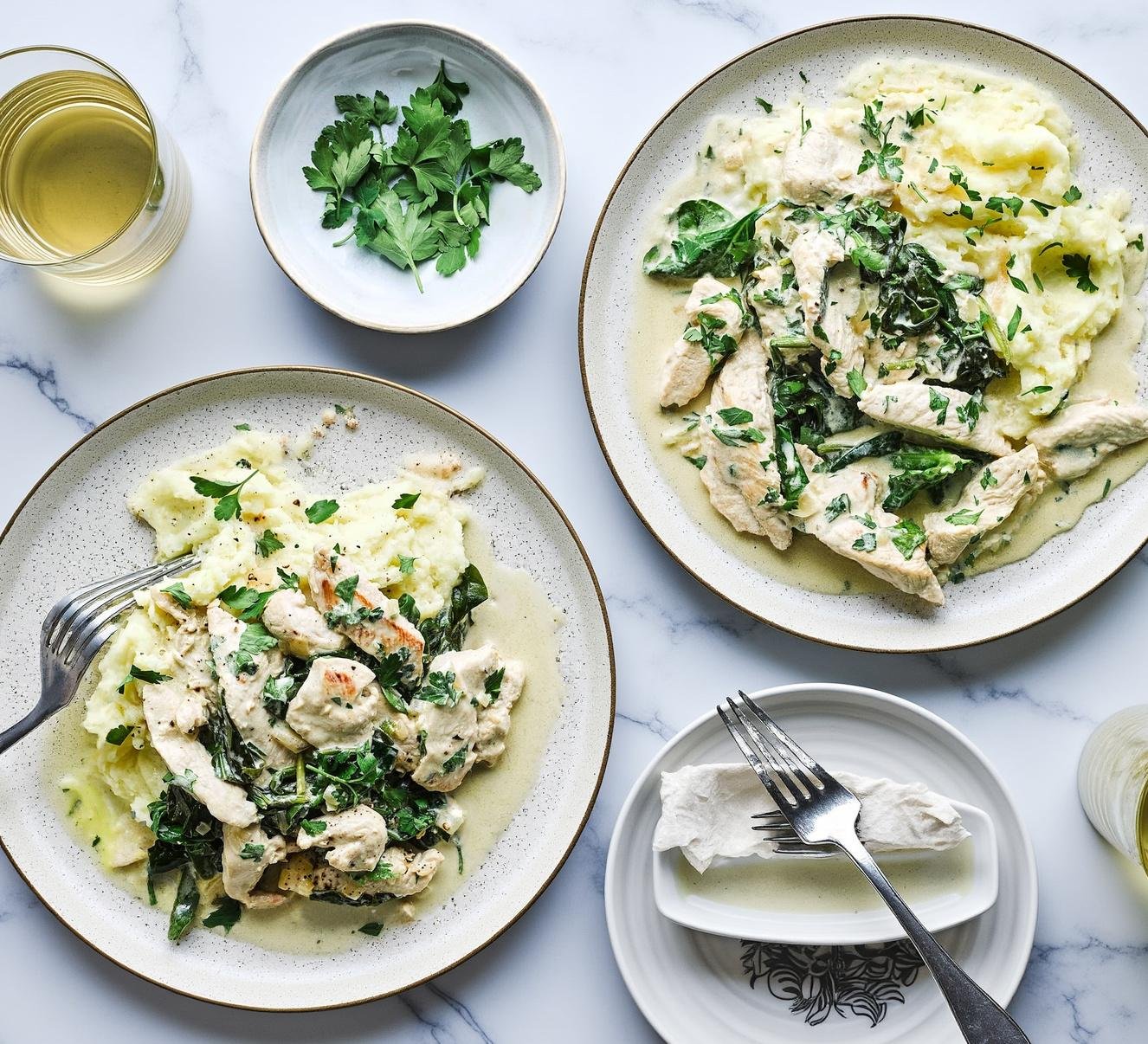
This Creamy Garlic Chicken achieves a near-perfect A+ grade at 97/100—a remarkable score for comfort food. The dish demonstrates that indulgent, satisfying meals can simultaneously support gut health. The abundant garlic and onion deliver exceptional prebiotic fiber, while butter provides gut-nourishing butyrate. The 200g of baby spinach wilts into the sauce, adding fiber and polyphenols without altering the creamy texture. At 36g protein per serving, this is a complete meal that satisfies both hunger and microbiome needs. The only minor deduction comes from the substantial potato portion—consider reducing slightly or serving with cauliflower mash for a perfect score.
4-Pillar Analysis
🌱 Prebiotic Density
95/100Weight: 35% of total score
Exceptional prebiotic profile. Abundant garlic (3-4 cloves) provides inulin and FOS. Onion adds fructooligosaccharides. Baby spinach contributes fiber and polyphenols. This dish is a prebiotic powerhouse.
🦠 Probiotic Factor
70/100Weight: 15% of total score
Good probiotic potential from crème fraîche, which contains some beneficial cultures. Butter provides butyrate. For enhanced probiotic benefits, serve with a live-culture yogurt side or use unpasteurized crème fraîche.
🔥 Anti-Inflammatory Index
98/100Weight: 30% of total score
Outstanding anti-inflammatory score. Garlic's allicin compounds, butter's butyrate, spinach's antioxidants, and parsley's flavonoids create comprehensive inflammation protection. The lemon adds vitamin C and citric acid benefits.
📊 Glycemic Stability
85/100Weight: 20% of total score
Good glycemic profile. While potatoes have a moderate-high GI, the fat from butter and crème fraîche significantly slows glucose absorption. High protein (36g) further stabilizes blood sugar response.
Ingredient-by-Ingredient Analysis
| Ingredient | Impact | Score | Notes |
|---|---|---|---|
| Garlic (3-4 cloves) | ✓ Positive | 98 | Exceptional prebiotic inulin, allicin with antimicrobial and anti-inflammatory properties |
| Butter (50g + 2 tbsp) | ✓ Positive | 92 | Butyrate nourishes gut lining cells, grass-fed butter has superior fatty acid profile |
| Onion (1 finely chopped) | ✓ Positive | 94 | Fructooligosaccharides, quercetin antioxidant, supports Bifidobacteria growth |
| Baby Spinach (200g) | ✓ Positive | 93 | Fiber, polyphenols, nitrates; wilts into dish adding nutrients without bulk |
| Chicken Breasts (4 skinless) | ✓ Positive | 88 | Lean quality protein, amino acids supporting gut repair, easy to digest |
| Fresh Parsley (½ bunch) | ✓ Positive | 85 | Apigenin flavonoid, chlorophyll, traditional digestive herb |
| Lemon Juice (½ lemon) | ✓ Positive | 82 | Vitamin C, citric acid supporting digestion, enhances iron absorption from spinach |
| Crème Fraîche (300ml) | ✓ Positive | 78 | Contains some beneficial bacteria, provides creamy texture, source of butyrate |
| White Wine (150ml) | ○ Neutral | 68 | Mostly cooks off, adds acidity and depth; alcohol concerns minimal after simmering |
| Floury Potatoes (1kg) | ○ Neutral | 62 | Moderate-high GI but provides resistant starch when cooled; substantial portion size |
The Science Behind the Score
Garlic: The Gut Health Superstar
The 3-4 cloves of garlic in this recipe provide substantial prebiotic benefits. Garlic contains inulin and fructooligosaccharides (FOS) that selectively promote Bifidobacteria growth. A landmark study in Carbohydrate Polymers demonstrated that garlic's prebiotic fibers increase short-chain fatty acid production, particularly butyrate. The allicin compounds released when garlic is crushed also have documented antimicrobial effects against pathogenic bacteria while sparing beneficial species.
Butter's Butyrate Bonus
The generous butter content (50g + 2 tbsp) provides direct dietary butyrate—the same short-chain fatty acid that gut bacteria produce from fiber fermentation. Butyrate is the primary fuel source for colonocytes (colon cells) and supports gut barrier integrity. Research published in the Journal of Leukocyte Biology shows butyrate has anti-inflammatory effects in the intestinal lining. Grass-fed butter contains even higher butyrate levels along with beneficial omega-3 fatty acids.
The Spinach Stealth Addition
The 200g of baby spinach wilts down into the sauce, adding substantial nutrition without changing the dish's character. Spinach provides fiber, polyphenols, and nitrates that research links to improved gut microbial diversity. The thylakoids in spinach may also help regulate appetite through gut-brain signaling pathways. Wilting rather than raw consumption actually increases the bioavailability of some nutrients.
Crème Fraîche: More Than Cream
Traditional crème fraîche is a cultured dairy product that may contain beneficial bacteria depending on processing. It provides a creamy texture while contributing calcium and additional butyrate from the milk fat. The culturing process may also make it easier to digest than heavy cream for some individuals. For maximum probiotic benefit, seek out brands labeled as containing live cultures.
Optimization Tips
- 1. Use grass-fed butter: Grass-fed butter contains more butyrate, omega-3s, and CLA (conjugated linoleic acid) than conventional butter—all beneficial for gut health.
- 2. Add more garlic: If you love garlic, increase to 5-6 cloves. The prebiotic benefits scale with quantity, and the creamy sauce mellows the intensity.
- 3. Serve with cauliflower mash: Replace half or all of the potatoes with cauliflower for lower glycemic impact and added cruciferous vegetable benefits.
- 4. Choose live-culture crème fraîche: Seek brands that specify live cultures for added probiotic benefits—read labels carefully.
- 5. Let potatoes cool slightly: Cooled potatoes develop resistant starch that functions as a prebiotic. Let them sit for a few minutes before serving.
Final Verdict
This Creamy Garlic Chicken is a gut health triumph disguised as comfort food. It proves that rich, satisfying meals can simultaneously nourish your microbiome. The abundant garlic and onion deliver exceptional prebiotic fiber, butter provides gut-lining-supporting butyrate, and the sneaky 200g of spinach adds fiber and polyphenols without compromising the indulgent experience. At 36g protein per serving, it's a complete, satisfying meal. Highly recommended for weekly rotation—this is exactly what gut-healthy eating should look like: delicious, satisfying, and surprisingly beneficial. One of our top-scoring comfort food recipes.