Executive Summary
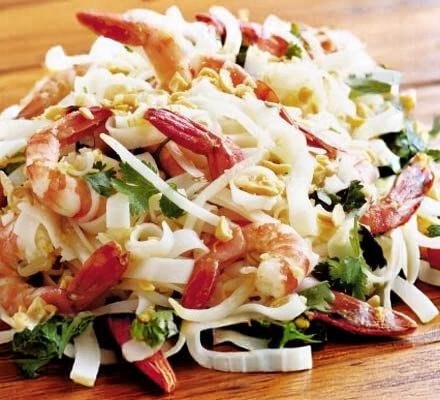
This Easy Pad Thai earns a C grade at 53/100, reflecting significant room for improvement in its gut health profile. While the fresh vegetables (beansprouts, spring onions), prawns, and herbs provide some benefits, the dish is undermined by inflammatory vegetable oil, refined rice noodles, and added sugar. The classic sweet-sour-savory balance comes at a cost to digestive wellness. However, with strategic substitutions—swapping the oil, adding fermented vegetables, and reducing sugar—this popular Thai favorite could climb significantly in the gut health rankings. As prepared, it's an occasional treat rather than a gut health champion.
4-Pillar Analysis
🌱 Prebiotic Density
58/100Weight: 35% of total score
Moderate prebiotic content from spring onions and beansprouts. The peanuts add some fiber, but rice noodles contribute minimal prebiotic benefit. Lacking the garlic and onion that would elevate this score.
🦠 Probiotic Factor
50/100Weight: 15% of total score
No probiotic ingredients in the standard recipe. Fish sauce is fermented but contains no live cultures after processing. Adding kimchi or pickled vegetables would significantly boost this pillar.
🔥 Anti-Inflammatory Index
42/100Weight: 30% of total score
Mixed inflammatory profile. Fresh coriander and lime provide anti-inflammatory benefits, but vegetable oil is high in omega-6 fatty acids that promote inflammation. The prawns offer omega-3s but in limited amounts.
📊 Glycemic Stability
55/100Weight: 20% of total score
Moderate glycemic impact. Rice noodles have a moderate-high glycemic index, and the muscovado sugar adds quick-release carbohydrates. The protein from prawns and peanuts helps slow glucose absorption.
Ingredient-by-Ingredient Analysis
| Ingredient | Impact | Score | Notes |
|---|---|---|---|
| Tiger Prawns (200g) | ✓ Positive | 82 | Lean protein, omega-3 fatty acids, selenium for gut immune function |
| Fresh Coriander | ✓ Positive | 85 | Polyphenols, anti-inflammatory compounds, digestive aid |
| Lime Juice (3 tbsp) | ✓ Positive | 80 | Vitamin C, citric acid supporting digestion, antibacterial properties |
| Beansprouts (140g) | ✓ Positive | 75 | Fiber, enzymes, low-calorie vegetable bulk |
| Spring Onions (4) | ✓ Positive | 80 | Prebiotic fructans, quercetin antioxidant, supports beneficial bacteria |
| Peanuts (25g) | ✓ Positive | 70 | Fiber, protein, resveratrol; can be inflammatory for some |
| Fish Sauce (2 tbsp) | ○ Neutral | 55 | Fermented product but no live cultures; high sodium content |
| Rice Noodles (125g) | ○ Neutral | 45 | Refined carbohydrate, low fiber, moderate-high glycemic index |
| Light Muscovado Sugar (2 tsp) | ✗ Negative | 35 | Added sugar feeds pathogenic bacteria, promotes inflammation |
| Vegetable Oil (2 tbsp) | ✗ Negative | 30 | High omega-6 content promotes inflammation; consider coconut or avocado oil |
| Cayenne Pepper (½ tsp) | ○ Neutral | 60 | Capsaicin may aid digestion but can irritate sensitive guts |
The Science Behind the Score
The Vegetable Oil Problem
Vegetable oils (typically soybean, corn, or canola) are high in omega-6 fatty acids, particularly linoleic acid. While omega-6s are essential, the modern Western diet already contains excessive amounts, leading to a pro-inflammatory omega-6 to omega-3 ratio. Research suggests this imbalance may negatively impact gut barrier function and promote intestinal inflammation. Replacing with coconut oil or avocado oil dramatically shifts the inflammatory profile.
Rice Noodles: A Glycemic Concern
White rice noodles have a glycemic index of approximately 65-70, causing relatively rapid blood sugar elevation. Unlike whole grain alternatives, they lack the fiber that would slow glucose absorption and feed beneficial gut bacteria. The 125g serving contributes 62g of carbohydrates, predominantly from refined starches. Studies show that repeated blood sugar spikes may negatively affect gut microbiome composition over time.
Fresh Herbs: Underrated Gut Allies
Coriander (cilantro) contains linalool and geranyl acetate, compounds with demonstrated antibacterial and anti-inflammatory properties. Research indicates coriander may help reduce pathogenic bacteria while supporting beneficial species. Combined with lime's vitamin C and citric acid, these fresh elements provide the dish's brightest gut health notes—though they can't fully compensate for the inflammatory and glycemic concerns.
Added Sugar's Hidden Impact
Even 2 teaspoons of muscovado sugar contribute to feeding potentially harmful bacteria that thrive on simple sugars. Studies show that added sugars can shift the gut microbiome toward a less favorable composition, potentially increasing populations of Enterobacteriaceae at the expense of beneficial Lactobacillus and Bifidobacteria. The sweet element is essential for authentic Pad Thai flavor but comes at a gut health cost.
Optimization Tips
- 1. Swap vegetable oil for avocado oil: Avocado oil has a high smoke point suitable for stir-frying and provides anti-inflammatory oleic acid instead of pro-inflammatory omega-6s.
- 2. Try konjac or shirataki noodles: These low-glycemic alternatives contain glucomannan fiber that feeds gut bacteria while providing the noodle experience with minimal blood sugar impact.
- 3. Add kimchi or pickled vegetables: Serving with Korean kimchi or Thai pickled vegetables introduces live Lactobacillus cultures to dramatically boost the probiotic score.
- 4. Reduce sugar, increase tamarind: Authentic Pad Thai uses tamarind paste which provides sourness with less sugar. Reduce muscovado to 1 tsp and add more tamarind for depth.
- 5. Add garlic: Including 2-3 minced garlic cloves adds significant prebiotic fiber and allicin with antimicrobial benefits—a traditional ingredient often simplified out of "easy" recipes.
Final Verdict
This Easy Pad Thai is a moderate gut health performer that prioritizes convenience and authentic flavor over digestive wellness. The fresh herbs and vegetables provide genuine benefits, but the inflammatory vegetable oil, refined rice noodles, and added sugar create significant headwinds. Best enjoyed occasionally rather than as a regular meal, unless you implement the optimization tips above. With strategic substitutions—particularly the oil swap and noodle alternative—this dish could climb to B+ territory. As prepared, it's delicious comfort food that delivers 27g of protein but requires moderation from a gut health perspective.