Executive Summary
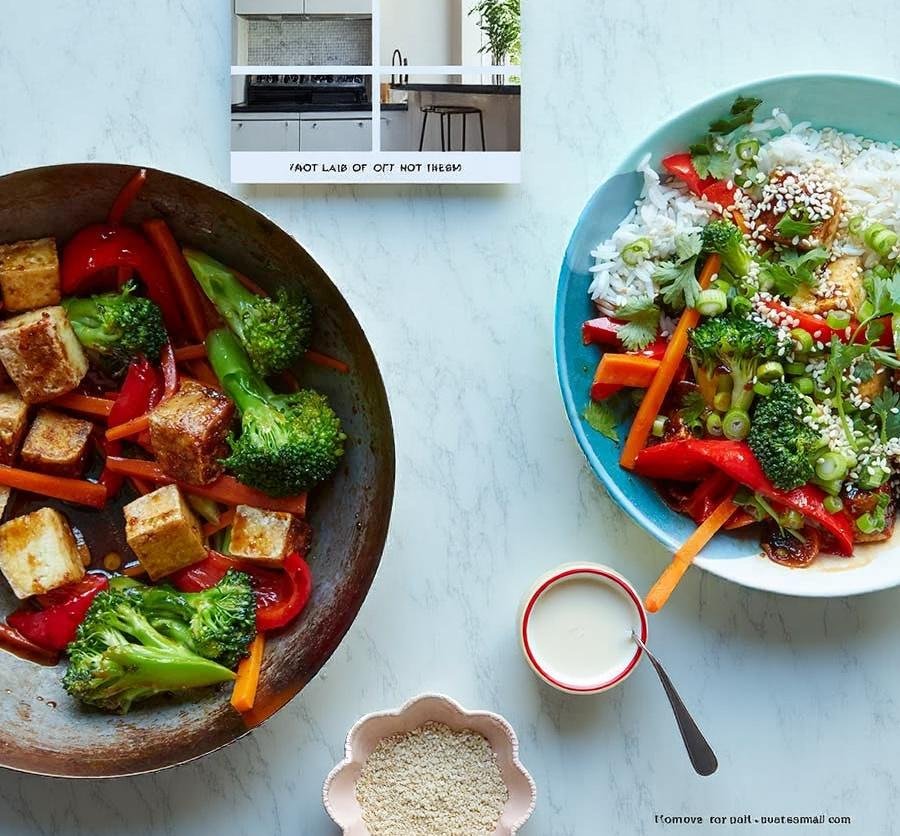
This Tofu Stir-Fry earns a solid B+ grade at 75/100, making it one of the better plant-based dinner options for gut health. The combination of prebiotic powerhouses—garlic, ginger, spring onion—with cruciferous broccoli creates an exceptional environment for beneficial gut bacteria. The anti-inflammatory ginger and garlic duo works synergistically to support digestive comfort. The main limitations are the sunflower oil (high omega-6) and absence of probiotics. For vegans seeking gut-friendly meals, this is an excellent base recipe that can easily climb to A-tier with simple optimizations like oil swapping and adding fermented accompaniments.
4-Pillar Analysis
🌱 Prebiotic Density
88/100Weight: 35% of total score
Excellent prebiotic profile from garlic, ginger, spring onions, and cruciferous broccoli. Carrots add soluble fiber while sesame seeds contribute lignans. This is a prebiotic powerhouse for feeding beneficial gut bacteria.
🦠 Probiotic Factor
50/100Weight: 15% of total score
No direct probiotic content in the recipe. Tofu is fermented in some Asian preparations, but standard tofu lacks live cultures. Adding miso paste to the sauce or serving with kimchi would dramatically boost this score.
🔥 Anti-Inflammatory Index
78/100Weight: 30% of total score
Strong anti-inflammatory benefits from ginger, garlic, and cruciferous vegetables. Coriander adds polyphenols. However, sunflower oil's omega-6 content partially offsets these benefits.
📊 Glycemic Stability
72/100Weight: 20% of total score
Good glycemic stability. Tofu is low-glycemic, vegetables add fiber, and protein slows carbohydrate absorption. Honey adds some quick sugars, but the overall impact is moderate.
Ingredient-by-Ingredient Analysis
| Ingredient | Impact | Score | Notes |
|---|---|---|---|
| Broccoli (300g) | ✓ Positive | 95 | Sulforaphane precursor, prebiotic fiber, vitamin C, supports detoxification pathways |
| Garlic (2 cloves) | ✓ Positive | 94 | Prebiotic inulin, allicin with antimicrobial properties, feeds Bifidobacteria |
| Ginger (2cm piece) | ✓ Positive | 92 | Gingerols reduce gut inflammation, support motility, ease digestive discomfort |
| Tofu (300g) | ✓ Positive | 85 | Plant protein, isoflavones may benefit gut bacteria, easily digestible |
| Carrots (2) | ✓ Positive | 82 | Beta-carotene, soluble fiber, supports gut lining integrity |
| Red Pepper | ✓ Positive | 80 | Vitamin C, beta-carotene, fiber supporting microbiome diversity |
| Spring Onion | ✓ Positive | 80 | Prebiotic fructans, quercetin antioxidant, supports beneficial bacteria |
| Sesame Seeds (2 tsp) | ✓ Positive | 76 | Lignans, fiber, healthy fats; sesamin may support gut health |
| Fresh Coriander | ✓ Positive | 75 | Polyphenols, linalool with antibacterial properties, digestive aid |
| Honey (1.5 tbsp) | ○ Neutral | 55 | Natural prebiotic oligosaccharides but still sugar; feeds both good and bad bacteria |
| Sunflower Oil (2 tbsp) | ✗ Negative | 35 | High omega-6 content promotes inflammation; swap for avocado oil, coconut oil, or ghee |
| Cornflour (1 tsp) | ○ Neutral | 50 | Refined thickener with minimal impact in small amounts |
The Science Behind the Score
Broccoli's Sulforaphane Power
The 300g of broccoli florets is this recipe's gut health star. Broccoli contains glucoraphanin, which converts to sulforaphane during digestion—a compound shown in research to support gut barrier integrity and modulate inflammation. Studies indicate sulforaphane may help reduce populations of Helicobacter pylori while supporting beneficial bacteria. The fiber content (approximately 8g per serving) provides substantial prebiotic substrate.
The Ginger-Garlic Synergy
Ginger's gingerols and garlic's allicin create a powerful anti-inflammatory and antimicrobial combination. Research published in the Journal of Ethnopharmacology demonstrates ginger's ability to reduce intestinal cramping and support healthy gut motility. Meanwhile, garlic's prebiotic fibers (inulin and FOS) selectively feed Bifidobacteria and Lactobacillus species, creating a more favorable microbiome composition.
Tofu and Isoflavones
Tofu contains isoflavones (genistein, daidzein) that are metabolized by gut bacteria into equol and other bioactive compounds. Interestingly, research suggests that isoflavone metabolism may positively influence gut microbiome composition, creating a beneficial feedback loop. The easily digestible plant protein provides essential amino acids without the potential inflammatory effects of some animal proteins.
Sesame Seeds: Small But Mighty
Sesame seeds contain sesamin and sesamolin—lignans that gut bacteria convert to enterolignans with potential health benefits. Studies suggest these compounds may have anti-inflammatory properties in the gut. The 2 teaspoons also contribute fiber and healthy fats that support overall digestive function.
Optimization Tips
- 1. Swap sunflower oil for avocado oil: Avocado oil has a superior omega fatty acid profile and provides oleic acid with anti-inflammatory properties while handling high-heat stir-frying.
- 2. Add miso to the sauce: Stirring in 1 tablespoon of unpasteurized miso paste (after cooking) introduces beneficial Aspergillus oryzae and other probiotics while adding umami depth.
- 3. Serve with kimchi: A side of fermented kimchi adds billions of Lactobacillus plantarum and other beneficial bacteria, dramatically boosting the probiotic score.
- 4. Use tempeh instead of tofu: Tempeh is fermented soy with live cultures and additional B12—a gut health upgrade that maintains the plant protein profile.
- 5. Replace honey with a touch of blackstrap molasses: Blackstrap molasses provides sweetness with additional minerals and has a lower glycemic impact than honey.
Final Verdict
This Tofu Stir-Fry is an excellent plant-based gut health choice that delivers exceptional prebiotic value through its aromatic vegetable base. The combination of garlic, ginger, broccoli, and spring onion creates optimal conditions for beneficial gut bacteria to thrive. While the sunflower oil prevents a higher score, this is easily remedied. Highly recommended for vegans and plant-curious eaters seeking gut-friendly meals. Add fermented accompaniments like kimchi or miso-enriched sauce to push this into A-tier territory. Ready in 30 minutes, no significant gut health negatives, and delicious—a weeknight winner.