Executive Summary
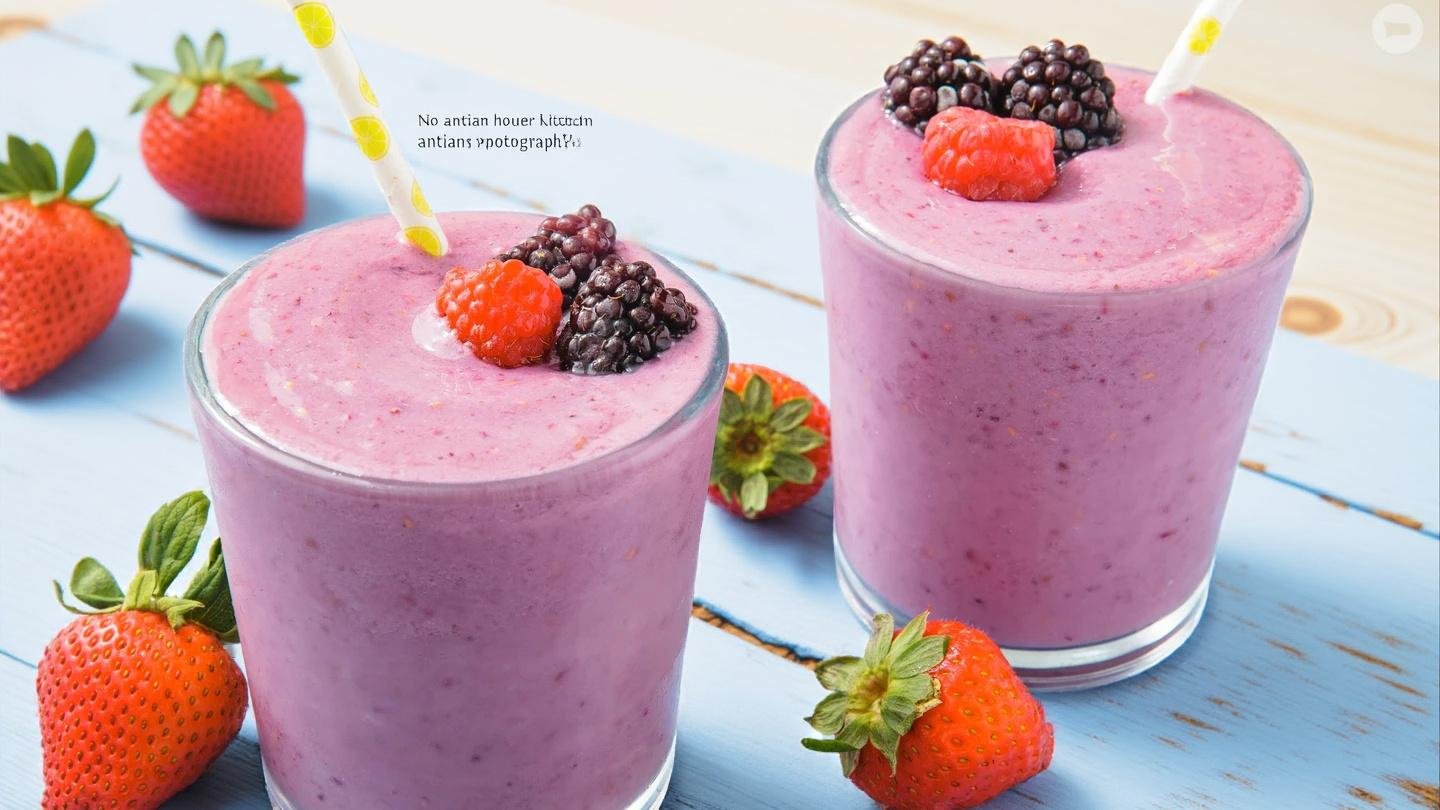
This Triple Berry Smoothie earns an impressive A- grade at 81/100, making it one of the best gut-healthy breakfast or snack options available. The combination of live-culture Greek yogurt with three types of polyphenol-rich berries creates a powerful synbiotic effect—probiotics paired with prebiotic fibers. Each berry type contributes unique beneficial compounds: blackberries for fiber and anthocyanins, raspberries for ellagic acid, and strawberries for fisetin and vitamin C. The banana adds prebiotic resistant starch. At only 233 calories with 8g protein, this is nutrient-dense eating at its finest. The only limitation is the natural sugar content from fruits, which should be considered by those managing blood sugar.
4-Pillar Analysis
🌱 Prebiotic Density
88/100Weight: 35% of total score
Excellent prebiotic content from banana's resistant starch and inulin, plus fiber from three types of berries. The combination provides diverse prebiotic substrates for varied gut bacteria species.
🦠 Probiotic Factor
92/100Weight: 15% of total score
Outstanding probiotic score from Greek yogurt's live Lactobacillus and Streptococcus thermophilus cultures. The yogurt is added raw, preserving live bacteria for direct gut benefit.
🔥 Anti-Inflammatory Index
85/100Weight: 30% of total score
Strong anti-inflammatory profile from the triple berry combination—anthocyanins from blackberries, ellagic acid from raspberries, and vitamin C from strawberries create comprehensive antioxidant coverage.
📊 Glycemic Stability
68/100Weight: 20% of total score
Moderate glycemic impact. While fruits contain natural sugars, the fiber from whole fruits and protein from yogurt slow absorption. The banana adds some quick sugars but also provides resistant starch.
Ingredient-by-Ingredient Analysis
| Ingredient | Impact | Score | Notes |
|---|---|---|---|
| Greek Yogurt (½ cup) | ✓ Positive | 95 | Live Lactobacillus cultures, complete protein, calcium for gut-brain signaling |
| Frozen Blackberries (1 cup) | ✓ Positive | 93 | Highest fiber berry, anthocyanins, polyphenols supporting microbiome diversity |
| Frozen Raspberries (1 cup) | ✓ Positive | 91 | Ellagic acid, fiber, vitamin C; research links to improved gut barrier function |
| Frozen Strawberries (1 cup) | ✓ Positive | 89 | Vitamin C, fisetin antioxidant, prebiotic fiber, anti-inflammatory compounds |
| Banana (1) | ✓ Positive | 82 | Resistant starch (especially when slightly green), inulin prebiotic, potassium |
| Almond Milk (1.25 cups) | ○ Neutral | 65 | Low calorie base, may contain added calcium; unsweetened preferred |
The Science Behind the Score
The Synbiotic Effect
This smoothie creates a natural synbiotic—combining probiotics (live bacteria from yogurt) with prebiotics (fiber from fruits). Research published in Nutrients demonstrates that synbiotic combinations are more effective at establishing beneficial gut bacteria than either component alone. The yogurt's Lactobacillus and Streptococcus thermophilus arrive with the fiber substrate they need to thrive, maximizing colonization potential.
Triple Berry Polyphenol Diversity
Each berry type contributes unique polyphenolic compounds: blackberries are exceptionally high in anthocyanins and fiber (8g per cup), raspberries provide ellagitannins that gut bacteria convert to urolithins (associated with reduced inflammation), and strawberries deliver fisetin—a compound shown in research to support cellular health. This diversity ensures comprehensive coverage of beneficial plant compounds that support various gut bacteria species.
Banana's Resistant Starch
Bananas contain both rapidly digestible starch and resistant starch—the latter functions as a prebiotic, passing undigested to the colon where it feeds beneficial bacteria. Slightly less ripe bananas contain more resistant starch. Research shows banana consumption is associated with increased Bifidobacteria populations. The inulin-type fructans in bananas provide additional prebiotic benefit.
Greek Yogurt: Probiotic Powerhouse
Greek yogurt's live cultures—primarily Lactobacillus bulgaricus and Streptococcus thermophilus—provide direct probiotic benefits. Because the smoothie isn't heated, these cultures remain viable. The straining process that creates Greek yogurt concentrates the protein (providing satiety and gut repair support) while reducing lactose (making it easier to digest for many people).
Optimization Tips
- 1. Use a slightly green banana: Less ripe bananas contain more resistant starch, providing greater prebiotic benefit while reducing sugar content.
- 2. Add ground flaxseed: 1-2 tablespoons of ground flax adds omega-3s, lignans, and additional prebiotic fiber without significantly changing the texture.
- 3. Include kefir instead of yogurt: Kefir contains a more diverse range of probiotic strains (up to 61 vs. 2-3 in yogurt), potentially providing broader gut microbiome support.
- 4. Add a tablespoon of raw honey: Raw, unprocessed honey contains prebiotic oligosaccharides and may have antimicrobial properties that support beneficial bacteria.
- 5. Swap almond milk for oat milk: Oat milk contains beta-glucans, providing additional prebiotic fiber that feeds beneficial Bifidobacteria.
Final Verdict
This Triple Berry Smoothie is an outstanding gut health choice that delivers genuine synbiotic benefits in a delicious, convenient format. The live-culture yogurt paired with fiber-rich berries and prebiotic banana creates optimal conditions for beneficial gut bacteria to flourish. At only 233 calories with no added sugar, it's nutrient-dense eating at its finest. Highly recommended for daily consumption as a breakfast or post-workout snack. The only consideration is the natural sugar content for those strictly managing blood glucose—but for most people, this is exactly what gut-healthy eating should taste like: delicious, simple, and genuinely beneficial. A true gut health all-star.