Here's what most "anti-inflammatory diet" guides won't tell you: reducing inflammation is more about what you remove than what you add. No amount of turmeric lattes will offset a diet of seed oils and processed carbs.
Let's cut through the noise and focus on what actually moves the needle.
What Actually Causes Inflammation
The biggest drivers of chronic inflammation:
• Seed oils — canola, soybean, sunflower, "vegetable" oil. These are in almost all processed foods and restaurant meals. They're high in omega-6, which promotes inflammation.
• Refined sugar — causes blood sugar spikes and insulin resistance
• Processed foods — combination of bad oils, sugar, and additives
• Excess alcohol — damages gut lining and liver
• Trans fats — still found in many processed foods
Notice what's NOT on this list: eggs, red meat, saturated fat. Despite decades of fear-mongering, quality animal foods are not inflammatory. The research shows the opposite—they contain nutrients that reduce inflammation.
The #1 Thing to Remove: Seed Oils
If you do ONE thing, eliminate seed oils. They're the biggest inflammation driver in modern diets.
Avoid:
• Canola oil
• Soybean oil
• Corn oil
• Sunflower oil
• Safflower oil
• "Vegetable" oil (it's always seed oil)
• Margarine
Use instead:
• Butter and ghee
• Beef tallow
• Lard
• Extra virgin olive oil
• Coconut oil
• Avocado oil (for high-heat cooking)
Restaurant Trap
Almost all restaurants cook with seed oils—even "healthy" ones. This is why cooking at home makes such a difference. If eating out, ask for food to be cooked in butter or olive oil.
Best Anti-Inflammatory Foods
Fatty Fish (Top Choice)
Salmon, sardines, mackerel, herring. High in EPA and DHA omega-3s that directly reduce inflammation markers. Eat 2-3 times per week minimum. Our air fryer salmon makes this easy.
Eggs
Whole eggs with the yolk. Contain choline (reduces inflammation), vitamins A, D, E, and complete protein. Eat 3-4 daily without worry. Try our herb omelette.
Red Meat (Beef, Lamb)
Grass-fed when possible. Contains zinc, B12, heme iron, and CLA (conjugated linoleic acid)—all anti-inflammatory. Our beef stir-fry and lamb koftas are solid options.
Bone Broth
Rich in collagen, glycine, and gelatin. Heals gut lining, which reduces systemic inflammation. Make your own from chicken carcasses or beef bones.
Liver and Organ Meats
Most nutrient-dense foods on the planet. High in vitamin A, B12, iron. Even once per week makes a difference.
Fermented Foods
Sauerkraut, kimchi, kefir, miso. Support gut bacteria which regulate immune response. Small amounts daily.
Also helpful:
• Extra virgin olive oil (polyphenols)
• Ginger and turmeric (with fat for absorption)
• Berries (low sugar, high antioxidants)
• Dark leafy greens (cooked, not raw salads)
• Avocados (healthy fats, easy to digest)
What a Day Looks Like
Breakfast: 3 eggs cooked in butter with sauerkraut on the side. Coffee with cream (not seed-oil "creamer").
Lunch: Roast chicken with roasted vegetables and olive oil. Glass of bone broth.
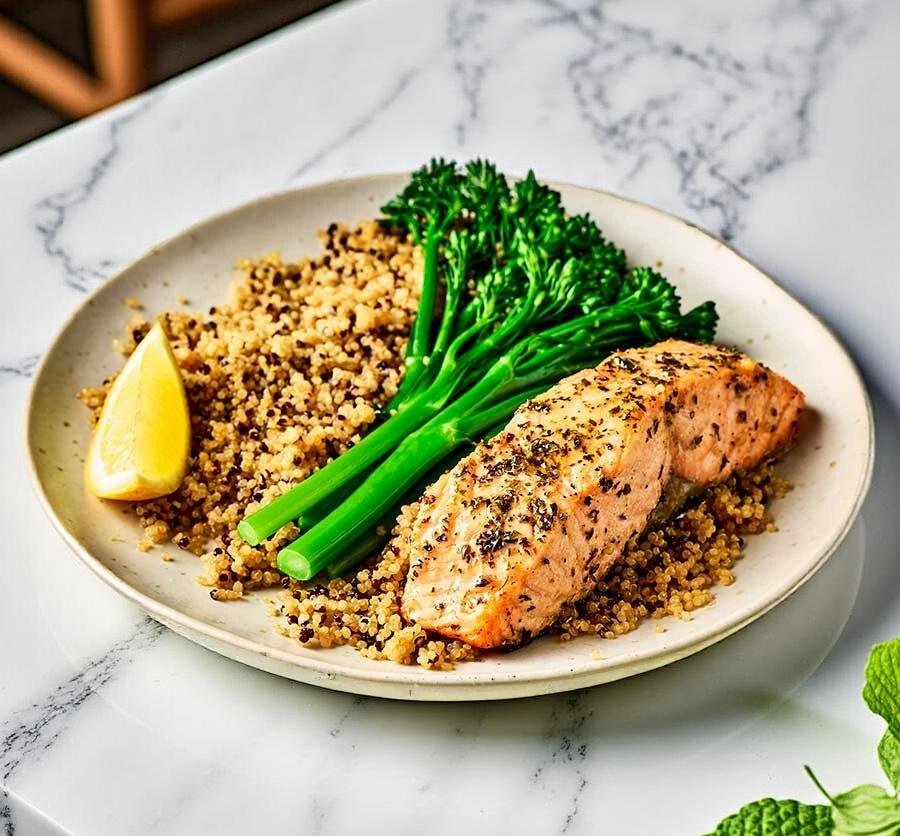
Dinner: Salmon with steamed broccoli and butter. Handful of berries.
Snacks: Hard-boiled eggs, cheese, olives. Avoid seed-oil-laden granola bars and chips.
Results timeline:
• Week 1: Reduced bloating, more stable energy
• Week 2-3: Less joint stiffness, better sleep
• Month 1: Visible reduction in inflammation (skin, joints)
• Month 3: Significant improvement in inflammatory markers
Bottom line: An anti-inflammatory diet isn't complicated. Remove seed oils and processed foods. Eat fatty fish, eggs, quality meat, and fermented foods. Cook at home with real fats. Results come from consistency, not supplements.