It's 5:30 PM. You're staring into the fridge at a pack of chicken breasts, wondering what to make for the hundredth time this month. Sound familiar?
Chicken is the backbone of weeknight cooking for good reason—it's affordable, versatile, and cooks quickly. But somewhere between the tenth batch of plain grilled chicken and another boring stir-fry, it's easy to lose inspiration.
This guide is different. These aren't aspirational recipes you'll never actually make. They're practical, tested dishes that work on real weeknights when you're tired and hungry. Some take 15 minutes. Others are weekend projects worth the effort. All of them deliver on flavour.
Why Chicken Works for Weeknight Dinners
Before diving into recipes, let's acknowledge why chicken dominates home cooking:
- Speed: Chicken breast cooks in 6-8 minutes when sliced thin. Thighs need 12-15 minutes. Compare that to beef or pork.
- Cost: Per gram of protein, chicken remains one of the most affordable options. Thighs especially offer excellent value.
- Versatility: The mild flavour absorbs marinades, spices, and sauces from any cuisine—Italian, Asian, Mexican, Indian.
- Nutrition: High protein, reasonable fat content (especially breast), and works with virtually any diet approach.
The challenge isn't finding chicken recipes. It's finding ones worth making repeatedly.
15-Minute Chicken Dinners (For When You're Desperate)
These recipes assume you're walking in the door hungry and need food fast. No 30-minute marinades. No complex prep. Just practical speed.
The 15-Minute Stir-Fry Formula
Stir-fries are the ultimate weeknight hack—but most recipes overcomplicate them. The secret is mise en place (everything prepped before you turn on the heat) and a screaming hot pan.
Cut chicken into thin, even strips. This is crucial—uneven pieces mean some bits overcook while others stay raw. A sharp knife and partially frozen chicken makes this easier.
The sauce goes in last, just 60-90 seconds before serving. Any longer and the vegetables turn soggy. That's the difference between restaurant-quality and sad cafeteria stir-fry.
Our Best Quick Stir-Fry Recipes
Air Fryer Chicken: Crispy in Minutes
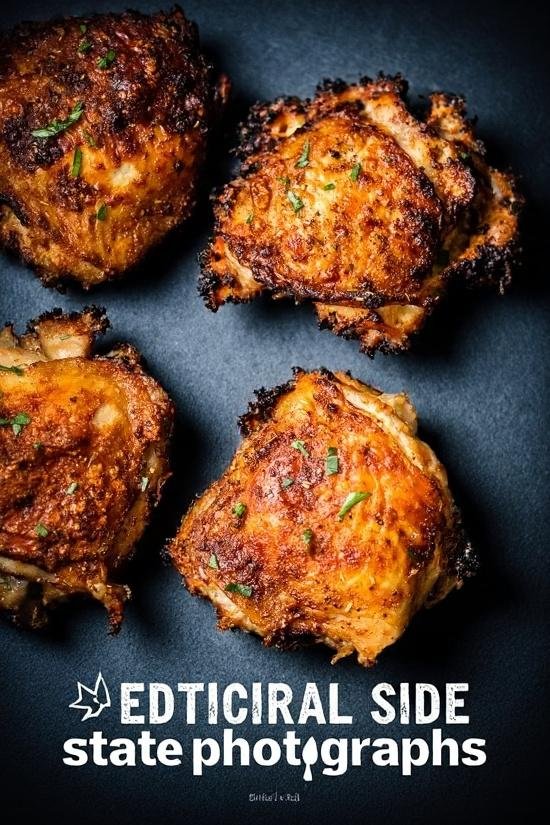
If you haven't tried air fryer chicken thighs, you're missing out. The circulating hot air renders the fat under the skin while crisping the exterior—something that typically requires 45 minutes in an oven happens in 18-20 minutes.
The key technique: pat the chicken completely dry and season the skin directly. Any moisture creates steam instead of crispness. We use a simple mix of salt, pepper, garlic powder, and paprika. Nothing fancy, but the execution matters.
Thighs vs Breasts: The Weeknight Truth
Chicken thighs are more forgiving. They have more fat, which means they stay juicy even if you overcook them by a few minutes. Breasts go from perfect to dry in a 2-minute window. For stressed weeknight cooking, thighs reduce the margin for error.
One-Pot Chicken Meals (Minimal Washing Up)
The real cost of cooking isn't just time at the stove—it's the cleanup afterward. These one-pot recipes mean one pan to wash. That's it. The rice cooks in the same liquid as the chicken. The pasta absorbs the sauce directly.
One-Pot Chicken and Rice
This is the recipe I make most often. Brown chicken thighs, remove them, sauté aromatics, add rice and stock, nestle the chicken back in, cover, and walk away. Twenty-five minutes later, dinner is ready.
The chicken fat renders into the rice during cooking. The rice absorbs the stock and chicken juices. It's greater than the sum of its parts—and the rice at the bottom gets slightly crispy. That's the best bit.
Creamy Tuscan Chicken
Sun-dried tomatoes, spinach, garlic, cream—this dish looks impressive but comes together in 25 minutes. The trick is cooking the chicken in the same pan where you'll build the sauce. The fond (browned bits) left behind adds depth you can't get any other way.
Serve it over pasta, rice, or crusty bread to soak up the sauce. No side dish required—the spinach provides the vegetable component.
Chicken Meal Prep Ideas
Sometimes the best weeknight dinner is one you made on Sunday. These recipes scale well and reheat without turning into rubber.
Perfect Baked Chicken Breast
Dry, chalky chicken breast is a meal prep epidemic. The solution is simple: don't overcook it. Use a meat thermometer. Pull at 73°C (165°F) internal temperature—not higher.
Pound the breast to even thickness before cooking. Those thick ends take longer than thin ends, which is why one part dries out while the other stays juicy. Even thickness = even cooking = consistent results.
Baked chicken breast keeps for 4 days refrigerated. Slice it for salads, wraps, grain bowls, or quick tacos throughout the week.
The Brining Shortcut
Short on time? Even 30 minutes in salted water makes a difference. Use 1 tablespoon salt per 4 cups water. The salt denatures the muscle proteins slightly, helping them retain moisture during cooking. It's the difference between meal prep you'll actually eat and meal prep that sits in the fridge until you throw it away.
Weekend-Worthy Chicken Dishes
Not every dinner needs to be fast. Sometimes you want to spend time in the kitchen—Sunday afternoon cooking with music playing, no rush. These recipes reward that investment.
The Perfect Roast Chicken
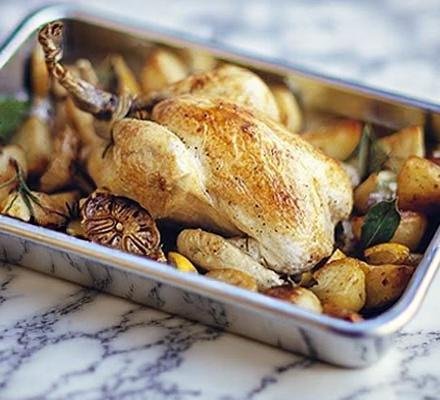
A whole roast chicken is one of cooking's great pleasures. Golden, crackling skin. Juicy meat. The smell filling your kitchen. And unlike a weeknight stir-fry, it feels like an event.
The technique that changed my roast chicken: dry the bird overnight in the fridge, uncovered. The cool air draws moisture from the skin. Dry skin crisps better. It's the same principle as air-drying your face before applying moisturiser—except for chicken.
High heat matters too. We start at 220°C for 20 minutes to crisp the skin, then reduce to 180°C to cook through gently. The leg meat needs more time than the breast, which is why starting hot helps equalise things.
Sizzling Chicken Fajitas
Restaurant fajitas arrive at your table sizzling and steaming. You can recreate that drama at home. The secret is a cast iron pan heated until it's almost smoking, and slicing the chicken against the grain into thin strips.
The peppers and onions should be charred in spots but still crisp—not soft and steamed. Cook them in batches if needed; overcrowding the pan creates steam.
Serve immediately. Fajitas don't wait well. The sizzle is the point.
Tips for Better Chicken Every Time
After testing hundreds of chicken recipes, certain principles emerge repeatedly:
1. Temperature Control Is Everything
Buy a meat thermometer. Not optional. Chicken breast is safe at 74°C (165°F)—but it's also dry. At 71°C (160°F), carryover cooking will bring it to safe temperature while resting, and the meat stays juicier.
Thighs can go to 82°C (180°F) before drying out. The extra fat and connective tissue act as insurance.
2. Let It Rest
Cutting into chicken immediately after cooking releases the juices onto your cutting board instead of into your mouth. Five minutes of resting redistributes moisture throughout the meat.
For whole chicken, 10-15 minutes minimum. The temperature actually continues rising during this time—that's carryover cooking at work.
3. Season More Than You Think
Restaurant chicken tastes better because they season aggressively. Home cooks consistently under-season. Salt the chicken at least 30 minutes before cooking—ideally longer. The salt penetrates the meat, seasoning it throughout rather than just on the surface.
4. Quality Matters (But Not As Much As Technique)
Free-range, organic chicken does taste better—it has more fat and more developed flavour. But a well-cooked supermarket chicken beats a badly-cooked expensive one every time.
Focus on technique first. Upgrade ingredients once your skills justify it.
The Raw Chicken Safety Basics
Wash your hands after touching raw chicken. Clean any surfaces or utensils that contacted raw chicken before using them for cooked food or vegetables. Don't rinse chicken under the tap—it spreads bacteria around your sink. These aren't suggestions; they're non-negotiables.
The bottom line: Good chicken dinners aren't about complex recipes or expensive ingredients. They're about understanding a few key techniques—proper heat, adequate seasoning, correct doneness—and applying them to simple preparations.
Start with one recipe from this list. Master it until you can make it without thinking. Then add another. Before long, you'll have a rotation of reliable chicken dinners that never feel repetitive.
Your future self, staring into the fridge at 5:30 PM, will thank you.