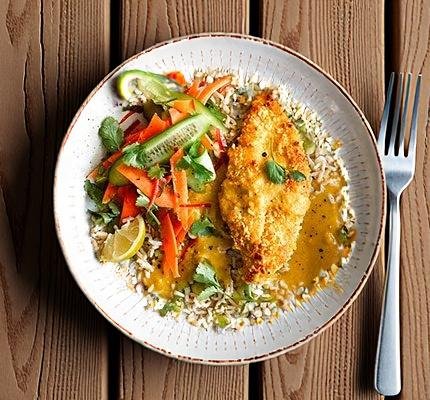
Here's the truth about healthy eating: it fails when it feels like punishment. Bland chicken breast and steamed broccoli might tick nutritional boxes, but nobody sustains a diet they hate. The goal isn't perfection—it's finding nutritious food you actually look forward to eating.
These recipes focus on what to eat more of (lean protein, vegetables, whole grains) rather than obsessing over restriction. They're practical for weeknights when you're tired and hungry, because that's when healthy intentions typically collapse into takeaway orders.
What Actually Makes a Dinner 'Healthy'
The word 'healthy' gets thrown around so loosely it's almost meaningless. Let's be specific about what we're optimising for:
- Adequate protein (20-40g per meal for most adults). Protein keeps you full and supports muscle maintenance. Without it, you're hungry again in an hour.
- Vegetables comprising half your plate. Not a token side salad—actual substantial vegetable portions providing fibre, vitamins, and volume.
- Whole food ingredients. Things your grandmother would recognise as food. Minimal processing, readable ingredient lists.
- Appropriate calories for your goals. Healthy food in excess still causes weight gain. Portions matter.
- Limited added sugars and refined carbohydrates. Not eliminated—limited. There's space for bread and pasta in a healthy diet.
Notice what's not on that list: zero fat, low carb, superfoods, organic certification. Those are marketing terms, not health requirements.
The Building Blocks of Healthy Dinners
Every healthy dinner follows the same formula:
Protein (palm-sized portion): Chicken breast, fish, lean beef, eggs, tofu, legumes. This is your anchor—plan the meal around it.
Vegetables (half the plate): Any vegetables count. Roasted, steamed, raw, stir-fried. Variety matters more than specific choices.
Complex carbohydrate (fist-sized portion): Brown rice, quinoa, sweet potato, whole grain bread. Optional if you're eating lower carb, but not inherently unhealthy.
Healthy fat (thumb-sized): Olive oil, avocado, nuts. Fat carries flavour and helps absorb vitamins from vegetables.
That's it. No complicated macros or meal timing. Just those four components in reasonable proportions.
The 80/20 Rule
Aim for 80% of your meals to follow healthy guidelines. The other 20%? Eat what you enjoy without guilt. This approach is sustainable long-term because it acknowledges that food serves social and emotional purposes too, not just nutritional ones.
Protein-Focused Quick Dinners
Protein is the hardest macronutrient to get enough of, especially if you're trying to build or maintain muscle. These recipes make protein the star.
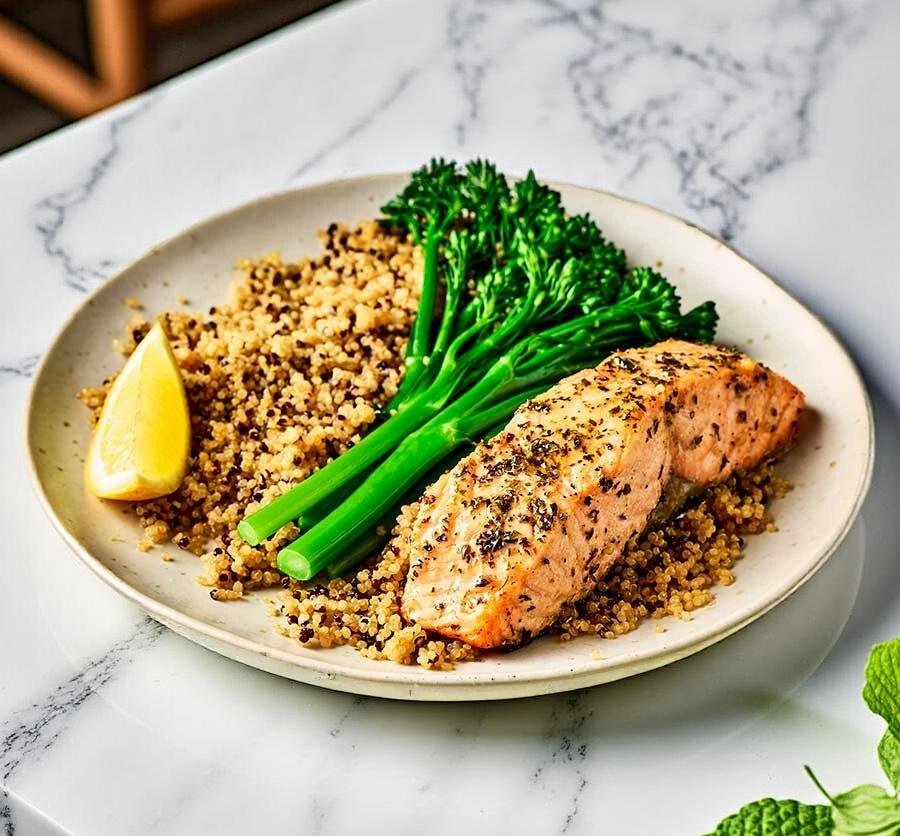
Air Fryer Salmon: 12 Minutes to Done
Salmon is nutritionally unbeatable—high protein, omega-3 fatty acids, vitamin D. The air fryer makes it foolproof. Season, cook at 200°C for 10-12 minutes, done.
The skin gets crispy without added oil. The flesh stays moist. Pair with roasted vegetables (same air fryer, different basket) and you've got a complete meal in 15 minutes.
Perfectly Baked Chicken Breast
Chicken breast gets unfairly maligned as boring diet food. The problem isn't chicken—it's overcooking. A properly cooked breast at 74°C internal temperature is juicy, flavourful, and incredibly versatile.
Bake several at once for the week. Slice for salads, chop for grain bowls, shred for wraps. One cooking session, multiple meals.
Healthy Chicken Katsu Curry
This proves healthy food doesn't mean deprivation. Crispy chicken, rich curry sauce, served over rice. The 'healthy' part comes from baking instead of deep frying and using a lighter curry sauce base.
It tastes like takeaway but delivers 40g protein with a fraction of the fat.
Vegetable-Heavy Main Courses
Most people struggle to eat enough vegetables. These recipes make vegetables the focus, not an afterthought.
Chunky Vegetable Soup
Soup is the easiest way to consume large volumes of vegetables. A single bowl can contain 4-5 different vegetables without feeling like work. The liquid fills you up while delivering minimal calories.
Make a big batch on Sunday, portion it out, and you've got healthy lunches sorted for the week.
Beef and Broccoli Stir-Fry
Stir-fries are vegetable delivery systems disguised as main courses. The trick is making the vegetables the majority of the dish rather than just a garnish for the meat.
This beef and broccoli version uses a simple soy-ginger sauce that's low in sugar compared to restaurant versions. Add other vegetables freely—snap peas, peppers, mushrooms all work.
Healthy Meal Prep Strategies
Healthy eating fails at the decision point. When you're tired and hungry, you need healthy food ready to eat—not ingredients requiring 30 minutes of cooking. Meal prep solves this.
Batch Cook Proteins on Sunday
Cook 4-6 chicken breasts, portion into containers. Now protein is a 30-second microwave away all week. Same principle works for salmon, beef, or hard-boiled eggs.
Pre-Chop Vegetables
The friction of chopping vegetables stops people eating them. Spend 20 minutes on Sunday washing and cutting vegetables for the week. Store in containers lined with paper towels to absorb moisture.
When stir-frying takes 5 minutes because everything's already prepped, you'll actually do it.
One-Pot Meals for Minimal Effort
Recipes where everything cooks together simplify healthy eating enormously. One pan to wash. One cooking time to monitor. Maximum nutrition, minimum effort.
Complete One-Pot Healthy Meals
Making Healthy Eating Actually Stick
The best healthy eating plan is the one you'll actually follow. Some practical reality checks:
Start With One Meal
Don't overhaul your entire diet at once. Master healthy dinners before worrying about breakfast and lunch. Small consistent changes beat dramatic unsustainable ones.
Keep Your Favourite Foods
Eliminating foods you love creates resentment that eventually explodes into bingeing. Instead, find healthier versions or simply eat smaller portions less frequently.
Track Temporarily, Then Trust
Track calories and macros for 2-4 weeks to calibrate your eye for portions. Once you understand what 500 calories looks like on a plate, you can stop measuring and trust your judgment.
The Real Secret
People who successfully maintain healthy eating long-term don't rely on willpower. They make healthy choices the easy choice through environment design. Stock healthy food. Remove temptations from the house. Pre-prepare meals. The goal is making healthy eating require less effort than unhealthy alternatives.
The bottom line: Healthy eating isn't about perfect meals or forbidden foods. It's about consistently choosing nutritious options most of the time. These recipes make that choice easier by proving healthy food can taste genuinely good—not just acceptable, but actually enjoyable.
Start with one recipe from this list. Make it part of your regular rotation. Then add another. Progress beats perfection.