
There's a difference between light and unsatisfying. Too many 'light dinners' leave you raiding the fridge two hours later, which defeats the entire purpose. These recipes thread the needle—enough substance to feel complete, not so heavy you need to lie down afterwards.
Light eating isn't deprivation. It's choosing foods that leave you energised rather than sluggish, satisfied rather than stuffed.
The Case for Light Dinners
Your body doesn't actually need a heavy dinner. Evolutionarily, we're designed to eat our largest meal earlier in the day when we need energy for activity. The modern convention of a large evening meal followed by television and bed isn't optimal for digestion or sleep.
Light dinners make particular sense when:
- You had a substantial lunch
- You're eating late (digesting a heavy meal disrupts sleep)
- The weather is warm (hot days diminish appetite naturally)
- You're sedentary in the evening (no activity to use the fuel)
This isn't about restriction. It's about matching your food to what your body actually needs at that moment.
Salads That Actually Satisfy
A sad bowl of lettuce isn't dinner. But a properly constructed salad—with protein, fat, texture, and interest—absolutely can be.
The formula for a satisfying salad:
- Greens as foundation: Mixed leaves, spinach, rocket, or romaine. Choose something with substance, not just iceberg.
- Protein: Grilled chicken, shrimp, salmon, eggs, or chickpeas. Without protein, you'll be hungry in an hour.
- Fat: Avocado, cheese, nuts, olive oil. Fat creates satiety and helps absorb fat-soluble vitamins from the vegetables.
- Crunch: Croutons, seeds, crispy onions. Texture contrast keeps the salad interesting.
- Bold dressing: A weak dressing makes a weak salad. Sesame, Caesar, or a proper vinaigrette with mustard all work.
Salads Worth Eating as Dinner
The Dressing Rule
Underdressed salad is boring salad. The leaves should be coated, not swimming, but every piece should carry some dressing. If you've ever wondered why restaurant salads taste better, it's usually because they dress more generously than you do at home.
Warming Soups Without the Weight
Soup is perhaps the perfect light dinner. Mostly liquid, so inherently lower in calories, but capable of delivering serious flavour and warmth. The broth fills your stomach while vegetables provide substance and fibre.
Vegetable-Based Options
A well-made vegetable soup can be surprisingly satisfying. The key is depth of flavour—properly sweated aromatics, good stock, herbs added at the right moment. Without these layers, vegetable soup tastes like boiled water. With them, it's comforting and complete.
Chunky soups feel more substantial than puréed ones, even at the same calorie level. There's something about chewing that registers as a proper meal.
Vegetable Soup Options
The Miso Soup Light Dinner
Japanese cuisine understands light eating better than most. Miso soup is the embodiment of this—essentially hot broth with umami depth, some tofu, perhaps seaweed and spring onions. It's under 100 calories but genuinely satisfying.
Add a bowl of edamame and some pickled vegetables, and you have a complete light dinner that's far more interesting than it sounds.
Light Protein Options
When you want something more substantial than soup but still light, lean proteins with vegetables fit perfectly. Fish, shrimp, and chicken breast cook quickly and don't weigh you down.
Fish: The Ideal Light Protein
Fish is naturally light—easy to digest, moderate in calories, and quick to cook. Salmon provides healthy fats and protein without the heaviness of red meat. Baked with lemon and herbs, served with steamed vegetables, it's a textbook light dinner.
The omega-3 fatty acids in oily fish also support sleep quality, making it a particularly good choice for evening meals.
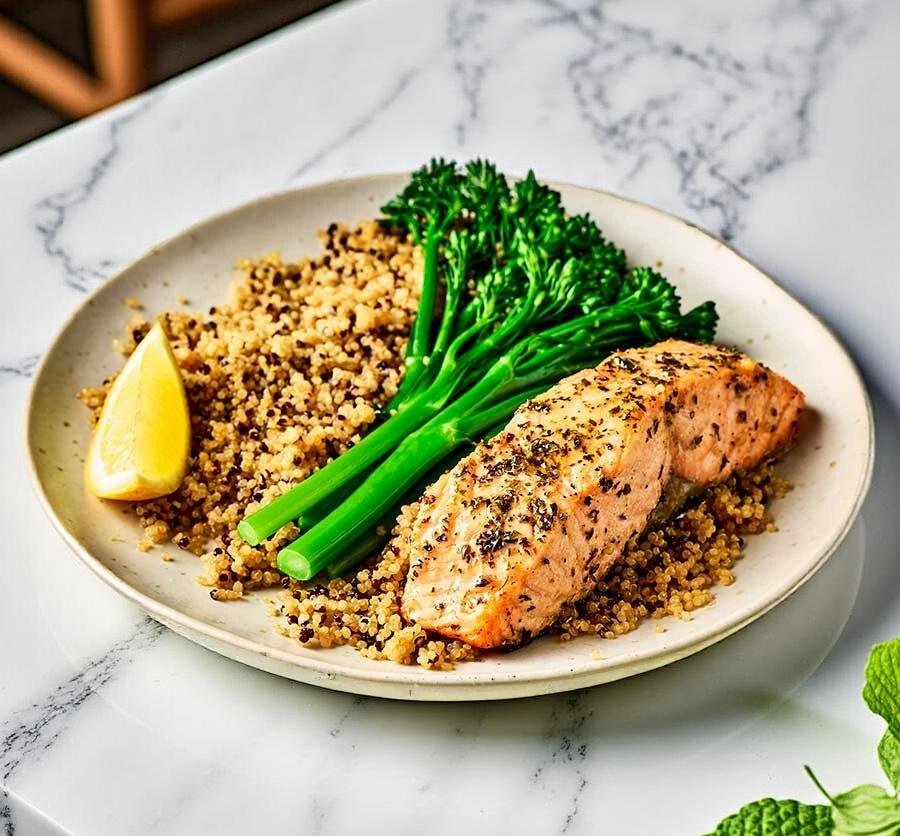
Shrimp Stir-Fry
Shrimp cook in minutes and are almost pure protein. A quick stir-fry with plenty of vegetables makes a complete dinner in 15 minutes. Serve over cauliflower rice instead of regular rice to keep it even lighter.
The Underrated Egg Dinner
Eggs for dinner is oddly underrated. A piece of quality toast topped with avocado and poached eggs is light, satisfying, and takes 10 minutes. The combination of fat from avocado and protein from eggs creates satiety without volume.
This is light eating that doesn't feel like sacrifice.
When Light Dinner Makes Sense
Light dinners aren't about deprivation—they're about eating appropriately for your circumstances:
Eating Late
If you're eating after 8 PM, lighter is better. Heavy meals close to bedtime disrupt sleep quality. Your body is trying to wind down while also managing digestion—the two don't combine well. A bowl of soup or a salad won't leave you awake at 2 AM with heartburn.
After a Big Lunch
Some days, lunch is the main event—a work meal, a celebration, a particularly good restaurant. There's no rule saying dinner must be equally substantial. Match your evening meal to what you've already eaten.
Warm Weather
Hot days naturally suppress appetite. Fighting this with heavy food doesn't feel good. Salads, cold soups, and light proteins align with what your body actually wants when temperatures rise.
The Light Dinner Test
A good light dinner should leave you satisfied but not stuffed. If you're still thinking about food an hour later, it wasn't substantial enough. If you need to lie down, it wasn't light enough. The sweet spot is forgetting about food entirely because you're comfortably fed.
The bottom line: Light dinner isn't a punishment—it's often exactly what your body wants. These recipes deliver satisfaction without the heaviness, leaving you energised rather than sluggish. For warm evenings, late dinners, or days when lunch was the main event, light eating is smart eating.