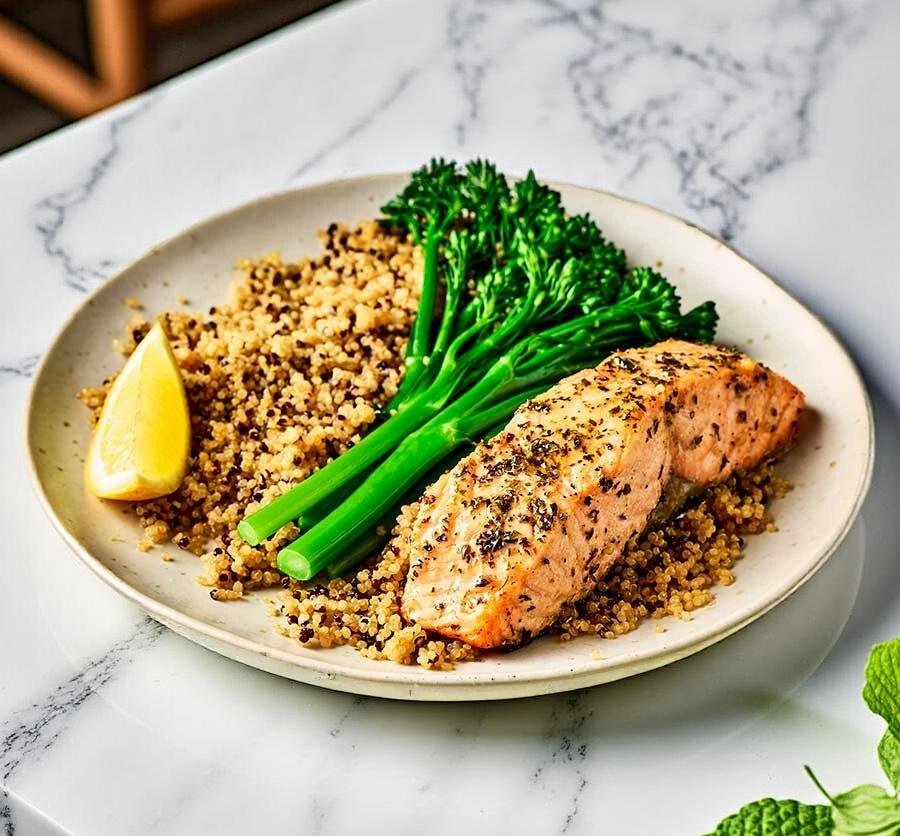
The Mediterranean diet is more than just a way of eating—it’s a lifestyle inspired by the traditional dietary patterns of people living in countries bordering the Mediterranean Sea, such as Greece, Italy, and Spain. Backed by decades of research, this approach emphasises whole foods, healthy fats, and plant-based ingredients, making it one of the most studied and recommended healthy eating patterns worldwide. If you’re looking to improve your overall health, including better digestion and reduced risk of chronic diseases, understanding the med diet could be a great starting point.
In this article, we’ll break down what the Mediterranean diet entails, its evidence-based benefits, key foods to focus on, and practical steps to incorporate it into your daily routine. We’ll also touch on its positive impact on gut health and share some BetterEats recipes to help you get started.
What is the Mediterranean Diet?
The Mediterranean diet isn’t a strict regimen but rather a flexible eating pattern that prioritises fruits, vegetables, whole grains, legumes, nuts, and olive oil as staples. It includes moderate amounts of fish, poultry, dairy, and red wine, while limiting red meat and sweets. This way of eating emerged from observations in the 1960s, when researchers noted lower rates of heart disease in Mediterranean regions compared to other parts of the world.
Studies, such as those from the PREDIMED trial, have shown that adhering to this diet can lead to long-term health improvements without the need for calorie counting. It’s about balance and enjoyment, often shared with family and friends, which adds a social element that supports mental well-being.
Unlike fad diets, the med diet is sustainable because it draws from real cultural practices. For instance, meals might feature fresh salads, grilled fish, and herbs, all seasoned with olive oil rather than processed sauces.
Quick Tip
Start small by swapping butter for olive oil in your cooking. This simple change introduces healthy monounsaturated fats that are central to the Mediterranean diet.
Key Benefits of the Mediterranean Diet
One of the primary benefits of the Mediterranean diet is its positive effect on heart health. Research from the American Heart Association indicates that it can reduce the risk of cardiovascular events by up to 30% due to its emphasis on anti-inflammatory foods like fatty fish and nuts. The diet’s high content of omega-3 fatty acids and antioxidants helps lower bad cholesterol levels and blood pressure.
Beyond the heart, this eating pattern supports weight management. A meta-analysis in the New England Journal of Medicine found that followers lost more weight than those on low-fat diets, likely because of the satisfying nature of fibre-rich foods and healthy fats that promote fullness.
Additionally, the med diet may lower the risk of type 2 diabetes. Studies show improved insulin sensitivity from consuming whole grains and legumes, which stabilise blood sugar levels. It’s also linked to better brain health, with evidence suggesting a reduced risk of cognitive decline in older adults.
Foods to Include in the Mediterranean Diet
At the core of the Mediterranean diet are plant-based foods. Aim to fill your plate with a variety of colourful vegetables like tomatoes, spinach, and courgettes, which provide essential vitamins and fibre. Fruits such as berries, oranges, and figs offer natural sweetness and antioxidants.
Healthy fats are key—extra virgin olive oil should be your go-to for cooking and dressings. Include nuts like almonds and walnuts, and seeds for snacks. Whole grains, including barley, quinoa, and brown rice, form the base of many meals, supporting steady energy levels.
Protein sources lean towards fish and seafood, eaten at least twice a week, along with legumes like lentils and chickpeas. Dairy is moderate, focusing on yoghurt and cheese, while herbs and spices add flavour without excess salt.
- Vegetables: Broccoli, peppers, aubergines
- Fruits: Apples, grapes, pomegranates
- Grains: Oats, farro, whole wheat bread
- Proteins: Salmon, chickpeas, eggs
- Fats: Avocados, olives, tahini
Foods to Avoid or Limit
While the Mediterranean diet is inclusive, it advises limiting processed foods high in added sugars and unhealthy fats. Avoid sugary drinks, sweets, and refined grains like white bread, which can spike blood sugar and contribute to inflammation.
Red meat should be eaten sparingly—no more than a few times a month—to reduce saturated fat intake. Processed meats like sausages and bacon are best minimised due to their links to higher cancer risks, as noted in World Health Organization reports.
Also, cut back on fried foods and those with trans fats, opting instead for baking or grilling. Salt intake is moderated by using herbs, making the diet suitable for those managing hypertension.
Practical Advice
When grocery shopping, stick to the perimeter of the store where fresh produce and whole foods are located, avoiding the inner aisles filled with processed items.
How to Start the Mediterranean Diet
Beginning the Mediterranean diet is straightforward—start by assessing your current meals and making gradual swaps. For breakfast, replace sugary cereals with Greek yoghurt topped with fruits and nuts. Lunch could be a salad with olive oil dressing, incorporating recipes like our mediterranean-quinoa-salad.
Set realistic goals, such as eating fish twice a week or adding more vegetables to every meal. Track your progress with a food diary to ensure you’re including a variety of foods. Remember, it’s about patterns, not perfection.
Involve your family by preparing shared meals, like a grilled vegetable platter, to make the transition enjoyable. Consult a healthcare professional if you have specific health concerns before starting.
The Mediterranean Diet and Gut Health
The med diet is particularly beneficial for gut health due to its high fibre content from plants, which feeds beneficial gut bacteria. Research in the journal Gut shows that this diversity supports a healthy microbiome, reducing inflammation and improving digestion.
Fermented foods like yoghurt and certain cheeses in the diet provide probiotics, while prebiotic-rich foods such as garlic and onions nurture gut flora. This can alleviate issues like bloating and constipation.
Studies link the diet to lower risks of gut-related conditions, including irritable bowel syndrome. For example, incorporating legumes from recipes like our lentil-stew can enhance fibre intake, promoting regular bowel movements.
Gut-Friendly Tip
Aim for 30 different plant foods per week to maximise gut microbiome diversity, a key aspect of the Mediterranean diet’s digestive benefits.
Sample Meal Plan and Recipes
A typical day on the Mediterranean diet might start with a greek-yogurt-parfait for breakfast, followed by olive-oil-drizzled-hummus with veggies for a snack. Lunch could be tomato-basil-soup with whole grain bread, and dinner a grilled-vegetable-platter with fish.
For variety, try our mediterranean-quinoa-salad as a light lunch or side. These recipes are designed to be simple and gut-friendly, using fresh ingredients.
Over a week, mix in options like lentil-stew for plant-based protein. This approach ensures balanced nutrition without monotony.
In summary, the Mediterranean diet offers a practical, evidence-based path to better health through whole foods and balanced eating. Start today by trying one of our recommended recipes and gradually build healthier habits. For more inspiration, explore BetterEats for gut-focused Mediterranean meals.