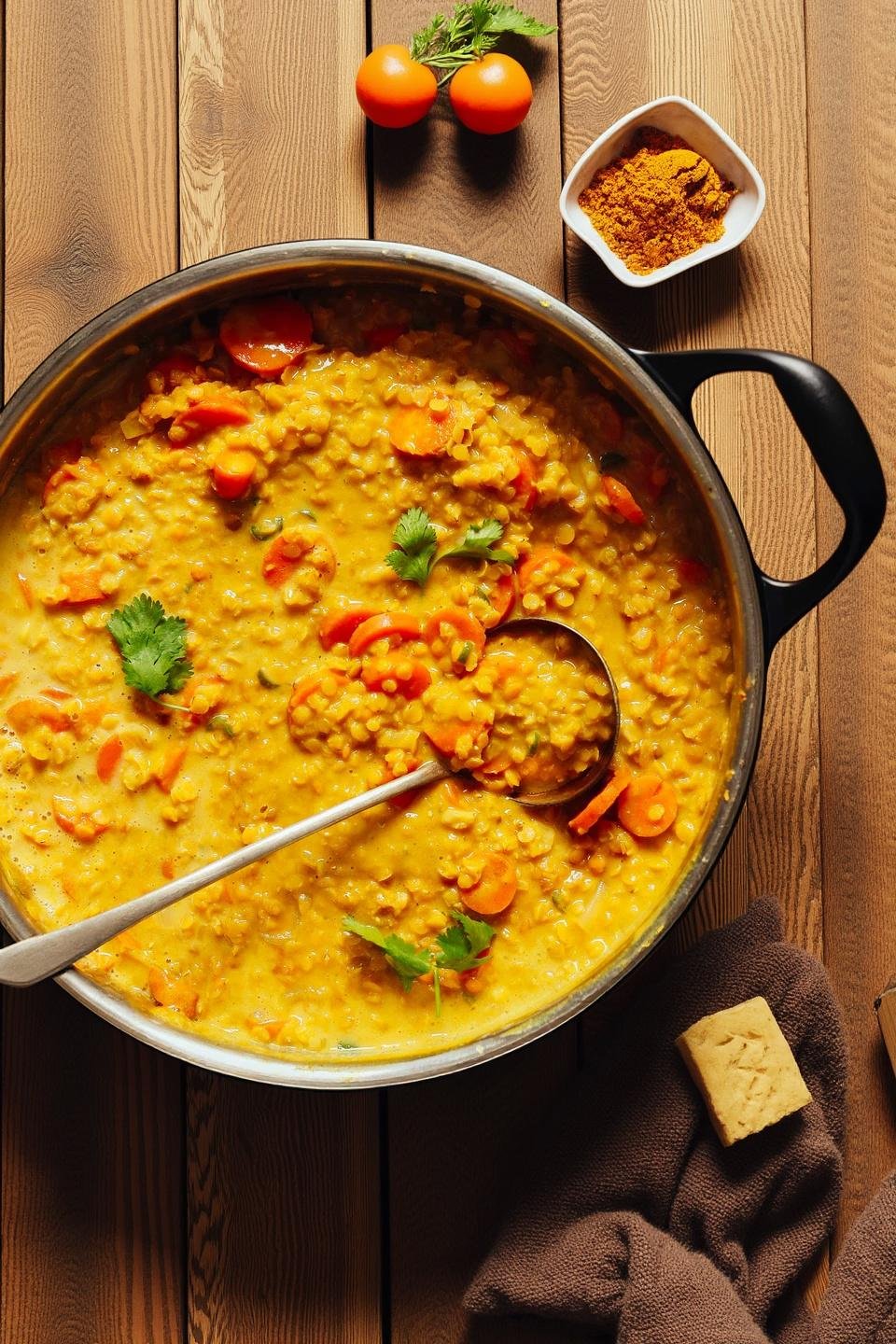
One-pot meals offer a straightforward approach to preparing easy dinners that require minimal cleanup, making them a favourite for those with hectic schedules. By combining all ingredients in a single pot, these recipes not only save time but also enhance nutrient retention, which is beneficial for gut health. Research from the British Journal of Nutrition indicates that cooking methods preserving fibre and prebiotics can support digestive wellbeing. In this guide, we’ll explore how to create these meals, with practical tips and references to BetterEats recipes focused on gut-friendly ingredients.
Whether you’re cooking for one or feeding a family, one-pot meals reduce the need for multiple dishes, cutting down on washing up. They often incorporate whole foods like vegetables, legumes, and lean proteins, which contribute to a balanced microbiome. Let’s dive into the benefits and how you can incorporate them into your routine.
Benefits of One-Pot Meals
The primary advantage of one-pot meals is their efficiency in both preparation and cleanup. With everything cooked together, flavours meld seamlessly, resulting in hearty, satisfying dishes without the hassle of juggling multiple pans. This method is particularly useful for maintaining a clean kitchen, as studies show that simpler cooking routines encourage more home-cooked meals, which are often healthier.
From a nutritional standpoint, one-pot meals can be tailored to boost gut health by including high-fibre ingredients like beans and whole grains. For instance, simmering lentils with vegetables releases prebiotic compounds that feed beneficial gut bacteria, as noted in research from the Gut journal. Additionally, these meals minimise nutrient loss compared to methods involving multiple cooking steps.
Beyond convenience, one-pot recipes promote portion control and reduce food waste, as you can easily adjust quantities. They’re versatile for various dietary needs, from vegan to low-carb, ensuring everyone can enjoy easy dinners with minimal cleanup.
Quick Tip
Choose a heavy-bottomed pot to prevent burning and ensure even cooking, which helps preserve the digestive benefits of your ingredients.
Essential Ingredients for Gut Health in One-Pot Recipes
To maximise gut health benefits in one-pot meals, focus on ingredients rich in fibre, probiotics, and anti-inflammatory compounds. Onions, garlic, and leeks serve as excellent bases, providing prebiotics that support gut flora, according to a study in the Journal of Functional Foods. Pair them with fermented items like miso or yoghurt for added probiotic value.
Legumes such as lentils and chickpeas are staples for their soluble fibre content, which aids digestion and can help regulate blood sugar levels. Whole grains like quinoa or brown rice add bulk and nutrients, making meals more satiating. Don’t overlook colourful vegetables; carrots, spinach, and tomatoes contribute antioxidants that reduce gut inflammation.
Herbs and spices, including turmeric and ginger, enhance flavour while offering digestive perks. Turmeric’s curcumin has been shown to improve gut barrier function in clinical trials. By stocking these essentials, you can create easy dinners that are both nutritious and simple to prepare with minimal cleanup.
Step-by-Step Guide to Making One-Pot Dinners
Start by selecting your base: a protein, grain, or legume. For example, brown your meat or sauté vegetables in the pot to build flavour. Add liquids like stock or water next, ensuring enough to cook everything without drying out. This step is crucial for one-pot meals, as it allows ingredients to simmer together.
Layer in seasonings and longer-cooking items first, such as potatoes or carrots, followed by quicker ones like greens. Simmer on low heat for 20-40 minutes, stirring occasionally. Taste and adjust as needed. This method ensures even cooking and nutrient preservation for gut health.
Finally, let the dish rest before serving to thicken sauces naturally. Examples include starting with onions for aroma, then adding rice and beans for a complete meal. With practice, you’ll master easy dinners that require minimal cleanup.
Practical Advice
Use a lid to trap steam and reduce cooking time, which also helps retain moisture and vitamins beneficial for digestion.
Vegetarian One-Pot Meal Ideas
Vegetarian one-pot meals are ideal for incorporating plant-based proteins that support gut health. A simple lentil stew with tomatoes, spinach, and spices provides ample fibre—aim for at least 30g per day as recommended by the British Dietetic Association. This combination promotes regular bowel movements and microbiome diversity.
Another option is a quinoa and vegetable medley, where quinoa’s complete protein profile pairs with broccoli and peppers for vitamins. Research in Nutrients journal highlights quinoa’s role in gut-friendly diets due to its prebiotic fibres. These meals are quick to assemble and leave little mess.
For variety, try pasta with chickpeas and herbs. The pasta absorbs flavours from the pot, creating a creamy texture without dairy. Such recipes are not only easy but also economical, using pantry staples for minimal cleanup dinners.
Meat-Based One-Pot Options
Incorporating lean meats into one-pot meals adds protein while keeping things simple. Chicken with rice and vegetables, for instance, simmers to tenderness, infusing the grains with savoury notes. This approach supports gut health by balancing animal proteins with fibre-rich sides, as per guidelines from the World Health Organization.
Beef stir-fry in one pot uses quick-cooking cuts with onions and greens, minimising prep time. The natural juices create a broth that enhances digestibility. Studies show that moderate red meat intake, paired with veggies, doesn’t harm gut flora when part of a varied diet.
Salmon and potatoes offer omega-3s for anti-inflammatory benefits, crucial for gut lining integrity. Poach the fish in the pot with herbs for a meal ready in under 30 minutes, exemplifying easy dinners with minimal cleanup.
Tips for Customizing Your One-Pot Meals
Customisation is key to keeping one-pot meals exciting and tailored to your needs. Adjust spice levels with chillies or herbs to suit taste preferences while boosting gut health—capsaicin in chillies can stimulate digestion, per research in the European Journal of Nutrition.
Swap ingredients based on seasonality; use summer squash in warmer months or root vegetables in winter for freshness and nutrient variety. This ensures a broad spectrum of fibres for microbiome support. Experiment with grains like barley for added texture and benefits.
To make meals gluten-free, opt for rice or quinoa instead of pasta. Always batch-cook for leftovers, which reheat well and maintain nutritional value, making one-pot recipes even more practical for busy lifestyles.
Customization Hack
Add a splash of apple cider vinegar at the end for a tangy boost that aids digestion without overpowering flavours.
In summary, one-pot meals provide an efficient way to enjoy easy dinners with minimal cleanup while prioritising gut health through thoughtful ingredient choices. Start with recipes like our one-pot-lentil-stew or easy-chicken-and-rice to build confidence. Incorporate these into your weekly routine for sustained benefits—try planning three one-pot nights a week. Visit BetterEats for more inspiration and share your creations in the comments below.
- Stock up on versatile staples like lentils and quinoa.
- Experiment with flavours to keep meals interesting.
- Prioritise fibre-rich veggies for digestive support.
With these strategies, you’ll master nutritious, hassle-free cooking.