Is Slow cooker beef bourguignon Good for Your Gut?
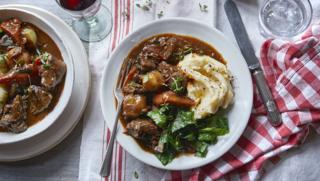
This slow cooker beef bourguignon offers a decent gut health profile with strong prebiotic contributions from onions, garlic, and carrots, supporting fiber intake and microbial diversity. However, it lacks probiotics and includes inflammatory elements like bacon and alcohol, which weaken its overall score. Key strengths are its vegetable fiber and low glycemic impact, while weaknesses include processed meats and refined flour; optimizations could elevate it to an excellent gut-friendly meal.
✅ Gut Heroes
- 85 4 garlic cloves, minced — Garlic contains allicin and fructans that act as prebiotics, feeding beneficial bacteria like Lactobacillus while offering antimicrobial properties against pathogens
- 82 2 onions, chopped — Onions are rich in inulin, a prebiotic fiber that nourishes Bifidobacteria and supports short-chain fatty acid production for gut barrier health
- 80 2 tbsp olive oil — Olive oil is rich in oleic acid and polyphenols, which reduce inflammation and support gut barrier function by modulating microbiota
⚠️ Gut Villains
- 25 750ml red wine — Alcohol in wine can disrupt gut barrier integrity and microbiota diversity, though moderate amounts provide polyphenols; excessive use harms gut health
- 32 200g bacon, chopped — Processed meats like bacon contain nitrates and high sodium, which can disrupt gut microbiota balance and promote inflammation through endotoxemia
- 38 2 tbsp flour — Refined flour lacks fiber and can spike blood sugar, promoting dysbiosis by feeding harmful bacteria over beneficial ones
FODMAP Alert
This recipe contains high-FODMAP ingredients like onions, garlic, and mushrooms, which can trigger IBS symptoms due to fructans and polyols; consider low-FODMAP alternatives such as garlic-infused oil, green onion tops, or oyster mushrooms.
🔄 Quick Swaps to Boost Your Score
Adds fermented soy protein with probiotics and prebiotics, reducing inflammation from processed meats
Provides beta-glucans and resistant starch to feed beneficial bacteria and stabilize blood sugar
Introduces live probiotics and fermented cabbage fiber for enhanced gut microbiota diversity
Important Medical Disclaimer
I am NOT a doctor or medical professional. The BetterEats Score is an educational tool based on nutritional research. This is NOT medical advice.
Our FODMAP information is based on Monash University Low FODMAP research, the world's leading authority on FODMAPs and digestive health. However, this is NOT a substitute for professional guidance. Always consult a qualified healthcare professional before making dietary changes.
📊 Detailed Analysis
4-Pillar Gut Health Analysis
This recipe includes prebiotic-rich vegetables like onions, garlic, and carrots, providing a good source of inulin and other fibers that feed beneficial gut bacteria. However, the fiber content is moderate overall due to the dominance of meat and lack of legumes or whole grains. Increasing vegetable variety could enhance prebiotic density further.
There are no fermented foods or live cultures in this recipe, limiting direct probiotic benefits. The cooking process may support some microbial activity indirectly through slow cooking, but it's not hostile to gut flora. Adding a probiotic element like yogurt could improve this aspect.
Ingredients like carrots and herbs offer some polyphenols and anti-inflammatory compounds, while red wine provides resveratrol. However, processed bacon and red meat introduce inflammatory omega-6 fats and potential heme iron issues. The balance is neutral, with room for more anti-inflammatory boosters like turmeric.
The recipe features low-GI vegetables and proteins that stabilize blood sugar, with slow cooking helping to minimize spikes. Flour adds some refined carbs, but overall glycemic load is low due to fiber from veggies. Minimal sugars keep it stable for gut health.
Full Ingredient Breakdown
Beef provides protein but lacks fiber or prebiotics, making it neutral for gut health; excessive red meat can promote inflammation via TMAO production in the gut.
Processed meats like bacon contain nitrates and high sodium, which can disrupt gut microbiota balance and promote inflammation through endotoxemia.
Onions are rich in inulin, a prebiotic fiber that nourishes Bifidobacteria and supports short-chain fatty acid production for gut barrier health.
Garlic contains allicin and fructans that act as prebiotics, feeding beneficial bacteria like Lactobacillus while offering antimicrobial properties against pathogens.
Carrots provide soluble fiber like pectin, which ferments into butyrate to support colon health and reduce inflammation.
Mushrooms offer beta-glucans that may support immune function via the gut, but they provide moderate fiber without strong prebiotic effects.
Alcohol in wine can disrupt gut barrier integrity and microbiota diversity, though moderate amounts provide polyphenols; excessive use harms gut health.
Beef stock is neutral, offering some collagen for gut lining support but no significant fiber or prebiotics.
Tomato paste contains lycopene, an antioxidant that may reduce gut inflammation, but it's low in fiber.
Herbs like thyme provide mild polyphenols that support anti-inflammatory effects in the gut without adding fiber.
Refined flour lacks fiber and can spike blood sugar, promoting dysbiosis by feeding harmful bacteria over beneficial ones.
Olive oil is rich in oleic acid and polyphenols, which reduce inflammation and support gut barrier function by modulating microbiota.
Basic seasonings are neutral, with moderate salt potentially affecting gut microbiota if overused, but no direct fiber benefits.
🔬 Science Notes
Prebiotic Effects of Onions and Garlic
Onions and garlic are high in fructo-oligosaccharides (FOS), which selectively stimulate the growth of Bifidobacteria and Lactobacilli, leading to increased production of short-chain fatty acids like butyrate that protect the gut lining. Studies show regular intake can improve gut microbiota composition and reduce inflammation markers. However, their high FODMAP content may cause issues for IBS sufferers.
Inflammatory Risks of Processed Meats
Processed meats like bacon contain advanced glycation end-products (AGEs) that can increase intestinal permeability, allowing endotoxins to enter the bloodstream and trigger systemic inflammation. Research from the American Journal of Clinical Nutrition links high intake to dysbiosis and elevated CRP levels. Replacing with plant-based proteins could mitigate these effects.
Polyphenols in Red Wine and Gut Health
Red wine's resveratrol and other polyphenols can modulate gut microbiota by inhibiting pathogenic bacteria and promoting beneficial ones, as shown in studies from Frontiers in Microbiology. However, alcohol's disruptive effects on gut barrier function often outweigh benefits in high amounts. Moderate use in cooking may retain some advantages without full alcohol exposure.
📚 Research & Citations
Our gut health scoring methodology is informed by peer-reviewed research. Key references include:
Development of the Low FODMAP Diet - The original research
PubMed - Effects of prebiotics on gut microbiota composition
PubMed - Dietary patterns and inflammation markers
Read our full methodology → for detailed scoring criteria and additional research citations.
✨ Full Optimization Guide
All Ingredient Swaps:
Adds fermented soy protein with probiotics and prebiotics, reducing inflammation from processed meats
Provides beta-glucans and resistant starch to feed beneficial bacteria and stabilize blood sugar
Introduces live probiotics and fermented cabbage fiber for enhanced gut microbiota diversity