Chronic bloating isn't normal. If you're regularly uncomfortable after eating, your body is telling you something is wrong. The solution isn't eating less—it's eating differently.
Spoiler: many "healthy" foods are the biggest bloating culprits.
Why You're Actually Bloating
Bloating happens when:
1. Gas production — Gut bacteria ferment undigested carbohydrates, producing gas.
2. Water retention — Some foods (especially high-FODMAP) draw water into the intestines.
3. Slow motility — Food sits too long in your gut, fermenting.
4. Gut damage — A compromised gut lining reacts to foods it shouldn't.
The conventional advice "eat more fibre" often makes bloating WORSE. If your gut is already struggling, adding more fermentable material is like throwing petrol on a fire.
Worst Foods for Bloating
1. Beans and Legumes
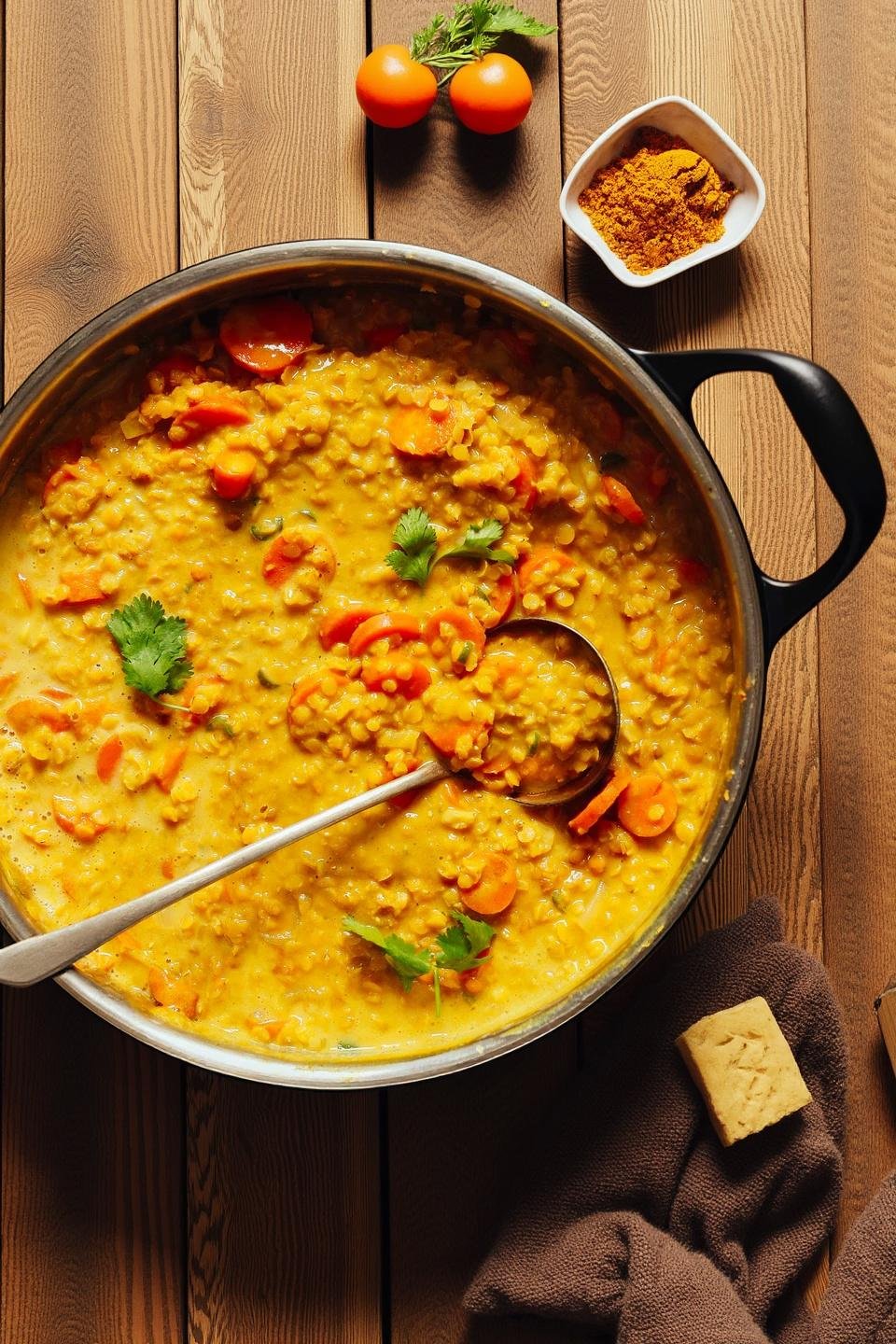
The obvious one. Beans contain oligosaccharides that humans can't digest. Gut bacteria ferment them = gas. Some people adapt over time, many don't.
2. Cruciferous Vegetables (Raw)
Broccoli, cauliflower, cabbage, Brussels sprouts—all healthy, but high in raffinose (another gas-producer). Cooking breaks down some of these compounds. Raw = maximum bloating.
3. Onions and Garlic
High in fructans (FODMAPs). Major bloating triggers for many people. Garlic-infused oil is often tolerated because fructans don't dissolve in oil.
4. Wheat and Gluten
Even without celiac disease, many people bloat from wheat. Could be gluten, could be fructans, could be both. Often worth eliminating temporarily to test.
5. Dairy (for some)
Lactose intolerance is common. If milk and soft cheese cause issues, try hard cheese (low lactose), butter, and ghee—usually tolerated.
6. Sugar Alcohols
Sorbitol, xylitol, maltitol—found in "sugar-free" products. These ferment aggressively. Check gum, mints, protein bars.
7. Carbonated Drinks
You're literally drinking gas. The bubbles have to go somewhere.
8. High-Fibre "Health" Foods
Oat bran, psyllium husk, bran flakes, chia seeds—for many bloaters, these make things worse, not better. Counter-intuitive but true.
What Actually Reduces Bloating
Protein and Fat-Based Meals
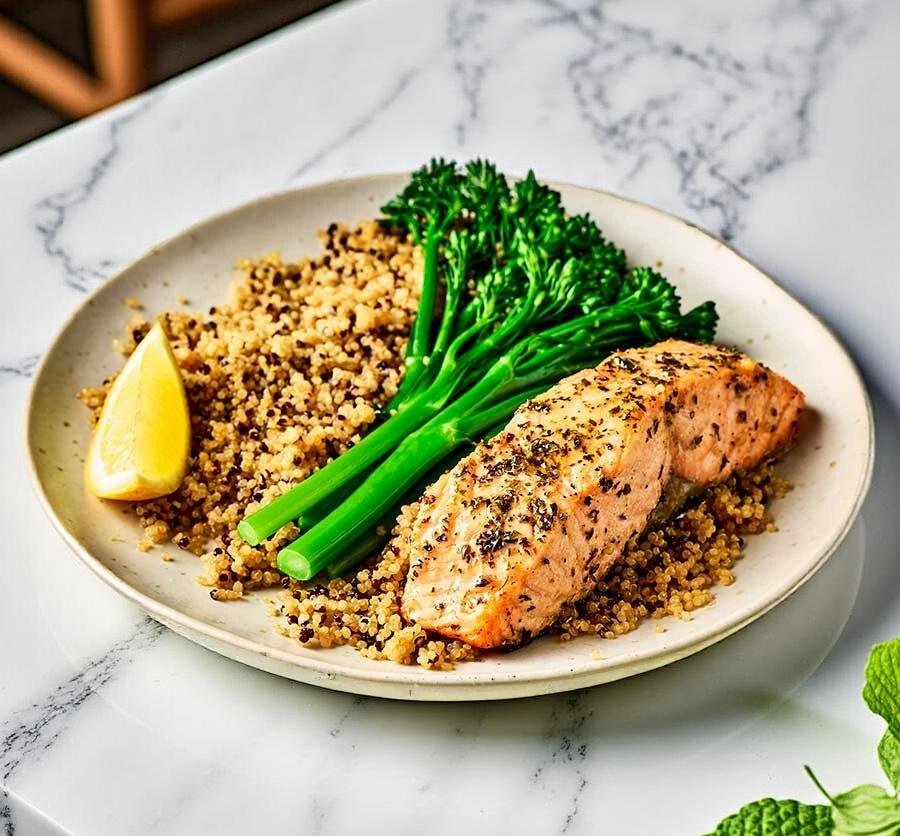
Meat, fish, and eggs don't ferment. They're the safest foods for bloating-prone people. Salmon, chicken, eggs—these should be your foundation.
Cooked Vegetables
Cooking breaks down the fibres and compounds that cause gas. Stir-fried vegetables are much easier to digest than raw salads.
Bone Broth
Healing for the gut lining, easy to digest, and anti-inflammatory. A cup before meals can reduce bloating over time.
Small Amounts of Fermented Foods
Sauerkraut, kimchi, miso—these can help rebalance gut bacteria. Start with tiny amounts (1 teaspoon) to avoid initial bloating. Try miso soup.
Ginger
Anti-inflammatory and helps gastric emptying. Fresh ginger in cooking or ginger tea after meals.
Safe Vegetables (cooked):
• Carrots
• Zucchini
• Spinach (cooked)
• Potatoes
• Bell peppers
• Cucumber
• Tomatoes
The 2-Week Test
If you're constantly bloated, try 2 weeks eating only: meat, fish, eggs, cooked non-cruciferous vegetables, and rice. No beans, no raw vegetables, no onions/garlic, no wheat. If bloating disappears, add foods back one at a time to find your triggers.
Anti-Bloat Meal Ideas
Lunch:
• Roast chicken with roasted carrots and zucchini
• Salmon with rice and steamed spinach
• Lamb koftas with cucumber and yogurt
Dinner:
• Beef stir-fry with bok choy and bell peppers
• Grilled fish with roasted potatoes
• Simple meat and well-cooked vegetables
Bottom line: Bloating usually improves when you eat more protein, cook your vegetables, and avoid common triggers like beans, raw cruciferous vegetables, and wheat. The "eat more fibre" advice is backwards for many people. Sometimes eating LESS fermentable food is exactly what your gut needs.