The standard advice for constipation is "eat more fibre." But for many people, this makes things worse—more bloating, more discomfort, same constipation.
Here's what actually works, based on how digestion really functions.
Why More Fibre Often Doesn't Work
Fibre adds bulk to stool. If your problem is slow transit time (food moves too slowly through your gut), adding bulk can make things worse—more material sitting there, not moving.
Fibre makes constipation worse when:
• Transit time is already slow
• Your gut motility is the issue, not stool consistency
• You're dehydrated (fibre without water = concrete)
• You have SIBO or bacterial overgrowth
• Your gut is damaged or inflamed
Studies show that reducing fibre actually helps many constipation sufferers. One study found that patients who stopped eating fibre entirely had better outcomes than those who ate more. Counter-intuitive, but true for many people.
What Actually Relieves Constipation
1. Fat — The Natural Lubricant
Fat stimulates bile release, which lubricates the intestines and promotes motility. If you've been eating low-fat, this alone might fix your constipation.
• Eat butter, olive oil, avocado
• Don't trim fat from meat
• Use full-fat dairy, not skim
• Cook with real fats, not sprays
2. Adequate Hydration
Dehydration is a major constipation cause. Your body pulls water from the colon when dehydrated, hardening stool.
• Drink water throughout the day (not just with meals)
• Add salt to food—helps retain water
• Coffee can help—it's a natural stimulant
• Bone broth counts toward hydration AND provides gut-healing nutrients
3. Movement
Physical activity stimulates gut motility. Sedentary people have slower transit times.
• Walking is often enough—30 minutes daily
• Morning movement helps trigger the gastrocolic reflex
• Even a 10-minute walk after meals can help
4. Magnesium
Magnesium draws water into the intestines and relaxes muscles. Many people are deficient.
• Magnesium citrate is most effective for constipation
• Start with 200-400mg before bed
• Foods high in magnesium: dark chocolate, avocado, fatty fish
5. Coffee (Morning)
Coffee stimulates the gastrocolic reflex—the urge to go after eating. The effect is from compounds in coffee, not just caffeine.
• Black coffee or with cream (not sugar)
• Best within 30 minutes of waking
• Combined with fat (butter coffee) can be especially effective
6. Consistent Meal Timing
Your gut likes routine. Eating at consistent times trains your digestive system.
• Regular meal times = regular bowel movements
• Don't skip breakfast if you're constipated—eating triggers the gastrocolic reflex
The Morning Routine That Works
Wake up → drink water → coffee with fat → move around → eat a fat-rich breakfast (eggs in butter). This routine triggers the gastrocolic reflex and promotes morning bowel movements for most people.
Dietary Fixes That Work
Add more:
• Fat at every meal—butter, olive oil, fatty meat, avocado
• Bone broth—hydrating and gut-healing
• Fermented foods—support gut bacteria (start small)
• Eggs—easy to digest, contain fats
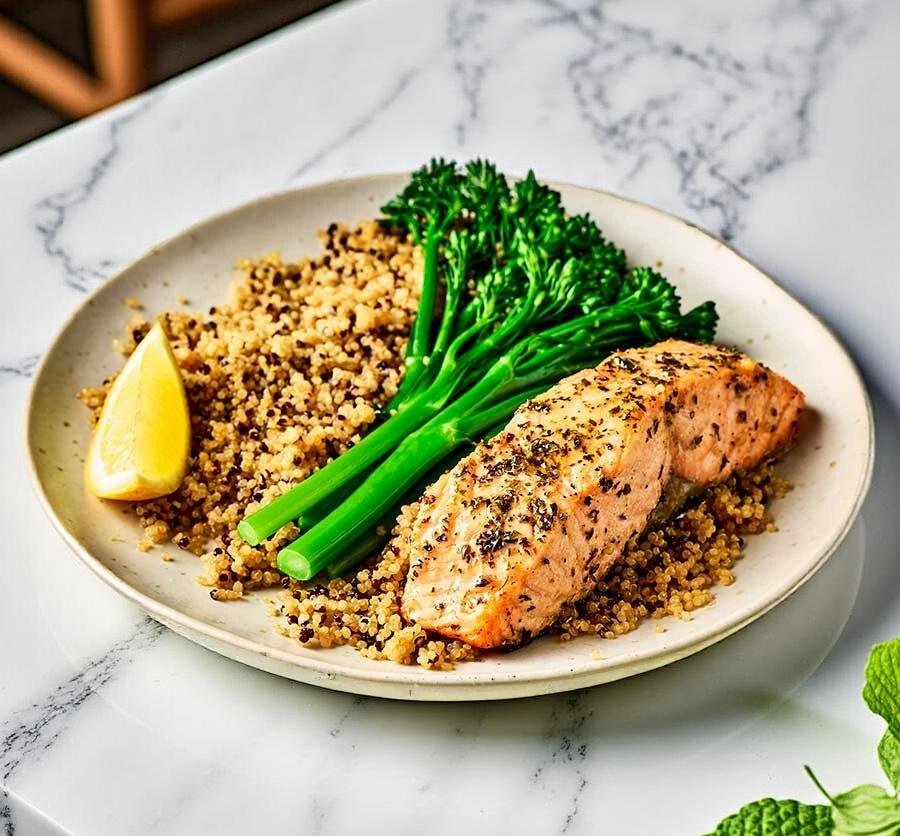
• Fatty fish—salmon 2-3x per week
Consider removing:
• Bran and high-fibre cereals (try 2 weeks without)
• Excessive raw vegetables
• Protein bars and processed "fibre" products
• Anything that makes you bloated
Sample constipation-relief day:
Morning: Water, then coffee with butter/cream
Breakfast: 3-egg omelette cooked in butter with avocado
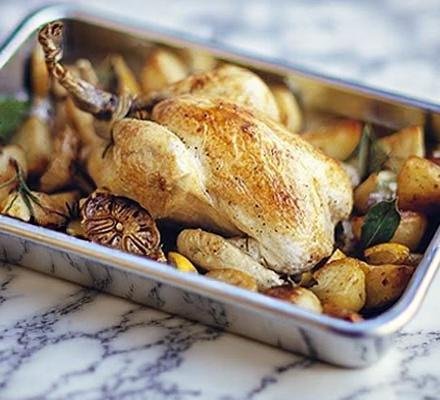
Lunch: Roast chicken with skin, olive oil-dressed salad
Dinner: Beef stir-fry with vegetables, cooked in butter
Before bed: Magnesium citrate
When to See a Doctor
See a doctor if:
• Blood in stool
• Sudden change in bowel habits lasting more than 2 weeks
• Unexplained weight loss
• Severe pain
• Constipation doesn't improve after 4 weeks of dietary changes
Bottom line: If "eat more fibre" hasn't worked for you, try the opposite approach. More fat, adequate hydration, movement, and magnesium often work when fibre doesn't. Your gut needs lubrication and proper motility stimulation—not just more bulk. Give your body what it actually needs, and regularity often follows.