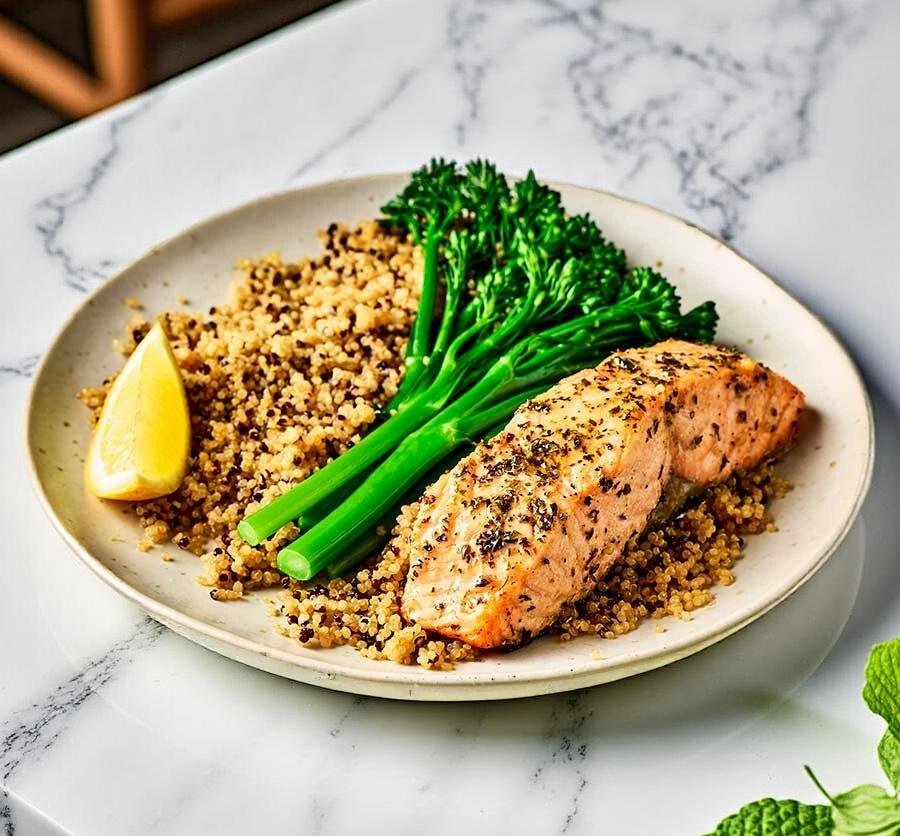
If you're constantly tired, reaching for another coffee or "healthy" granola bar isn't the answer. The real problem? Most people eat too many processed carbs and not enough protein, healthy fats, and nutrient-dense whole foods. Your body needs real fuel—meat, eggs, fish, and quality fats—not sugar dressed up as health food.
This guide cuts through the noise. We'll cover what actually gives you energy (spoiler: it's not oatmeal), what drains it, and how to eat for sustained vitality without the crashes.
Why You're Always Tired (It's Probably Your Diet)
Chronic fatigue usually comes down to three things: blood sugar instability, nutrient deficiencies, and poor gut health. And all three are directly tied to what you eat.
When you eat high-carb meals—bread, pasta, cereals, fruit smoothies—your blood sugar spikes, then crashes. That crash is the 3pm slump. The brain fog. The "I need a nap" feeling after lunch. It's not normal tiredness; it's your body running on a roller coaster of glucose.
Meanwhile, nutrient deficiencies are rampant. Iron, B12, magnesium, and zinc—the minerals and vitamins essential for energy production—come primarily from animal foods. If you're eating mostly plants and grains, you're likely not getting enough in bioavailable form.
The Breakfast Trap
Starting your day with cereal, toast, or a smoothie bowl sets you up for an energy crash by mid-morning. Your first meal should be protein and fat-focused to stabilise blood sugar for hours.
Protein and Fat: The Real Energy Sources
Here's what the "healthy eating" industry won't tell you: fat is your body's preferred fuel source for sustained energy. Unlike carbs, which burn fast and cause crashes, fat provides slow, steady energy that lasts for hours.
Protein, meanwhile, is essential for every cell in your body. It provides amino acids that support neurotransmitter production (hello, mental clarity), muscle repair, and enzyme function. Without adequate protein, you're running on fumes.
A meal built around protein + fat + vegetables keeps you full, focused, and energised. A meal built around carbs leaves you hungry and tired two hours later. It's that simple.
The science: When you eat protein and fat together, digestion slows down, nutrients absorb better, and blood sugar stays stable. Studies show that high-protein breakfasts reduce hunger hormones and improve cognitive performance throughout the day.
Best Foods for Sustained Energy
Forget the typical "energy foods" lists full of granola and fruit. Here's what actually works:
1. Eggs — The perfect food. Complete protein, B12, choline (critical for brain energy), and healthy fats. Eat the yolks—that's where the nutrients are. 2-4 eggs for breakfast will keep you going until lunch without snacking.
2. Red Meat (Beef, Lamb) — The best source of heme iron, which absorbs 10x better than plant iron. Also provides B12, zinc, and creatine—all essential for energy production. If you're tired and avoiding red meat, that's probably why.
3. Fatty Fish (Salmon, Sardines, Mackerel) — Omega-3s reduce inflammation, which is a hidden cause of fatigue. Also provides vitamin D3 and high-quality protein. Aim for 2-3 servings per week.
4. Liver and Organ Meats — Nature's multivitamin. Liver has more B12 than any other food, plus iron, vitamin A, and folate. Even 100g per week makes a difference.
5. Butter, Ghee, and Animal Fats — Stable cooking fats that provide fat-soluble vitamins (A, D, E, K). Don't fear saturated fat—your brain is 60% fat and needs it.
6. Bone Broth — Minerals in absorbable form, plus glycine for gut healing and sleep quality. Poor sleep = poor energy.
Quick Energy Breakfast
3 eggs cooked in butter + half an avocado + some leftover meat from dinner. Takes 10 minutes, keeps you full for 5+ hours. No crash, no snacking needed.
Foods That Drain Your Energy
If you want more energy, cut these first:
Sugary "health" foods: Granola bars, flavoured yogurts, smoothie bowls, fruit juices, acai bowls. They're desserts marketed as breakfast. Check the sugar content—often 20-40g per serving.
Refined carbs: White bread, pasta, cereals, crackers. They spike blood sugar just like sugar does. Even "whole grain" versions aren't much better.
Seed oils: Canola, soybean, sunflower, vegetable oil. They're inflammatory and found in almost all processed foods. Cook with butter, olive oil, or animal fats instead.
Excessive caffeine: Coffee masks tiredness; it doesn't fix it. If you need coffee to function, your diet or sleep needs work. One cup in the morning is fine; four cups to survive the day is a problem.
The oatmeal myth: Oats are often promoted as an "energy food," but they're mostly starch. For most people, oatmeal for breakfast leads to hunger and low energy by mid-morning. If you want oats occasionally, have them after a workout when your body can use the carbs—not as your primary breakfast.
Gut Health and Energy Connection
Your gut is where nutrients get absorbed. If it's inflamed or imbalanced, even a perfect diet won't help—you won't absorb the iron, B12, and magnesium you need for energy.
Signs your gut might be the problem: bloating after meals, irregular digestion, food sensitivities, brain fog. These all correlate with fatigue.
How to support gut health for energy:
• Eat whole foods: Processed foods damage gut lining. Meat, fish, eggs, and vegetables are easily digestible and nourishing.
• Include bone broth: The glycine and collagen help repair gut lining.
• Add fermented foods: Sauerkraut, kimchi, kefir—these provide beneficial bacteria that improve nutrient absorption.
• Reduce gut irritants: Gluten, excess fibre from grains, and seed oils can all irritate the gut for sensitive individuals.
Practical Meal Ideas for All-Day Energy
Breakfast (most important meal to get right):
• 3 eggs + bacon or sausage + sautéed spinach
• Omelette with cheese, mushrooms, and herbs (try our herb omelette)
• Smoked salmon + cream cheese + cucumber (no bread needed)
• Leftover dinner—steak and vegetables work great for breakfast
Lunch:
• Grilled chicken thighs + roasted vegetables + olive oil
• Salmon salad with avocado and olive oil dressing
• Beef stir-fry with vegetables (try our beef stir-fry recipe)
• Large salad with grilled steak strips
Dinner:
• Roast chicken with skin (don't remove the fat!) + roasted root vegetables
• Pan-seared salmon with butter and lemon (try our air fryer salmon)
• Beef steak with mushrooms and a side salad
• Slow-cooked lamb with herbs and vegetables
If you must snack:
• Hard-boiled eggs (prep ahead)
• Handful of nuts (macadamia, walnuts)
• Cheese and meat slices
• Bone broth (sip it like tea)
The Two-Week Test
Try eating protein + fat focused meals for two weeks. Cut the cereals, bread, and sugary snacks. Most people notice dramatically improved energy within days—stable throughout the day, no afternoon crash, better sleep.
Bottom line: Real energy comes from real food. Prioritise protein (meat, fish, eggs), add healthy fats (butter, olive oil, avocado), include plenty of vegetables, and minimise processed carbs and sugar. Your body will thank you with steady, lasting energy—no caffeine required.