If you have IBS, bloating, or unexplained digestive symptoms, the low-FODMAP diet might be your answer. Developed at Monash University, it's the most researched dietary approach for IBS—helping 75% of people who try it.
Good news: a low-FODMAP diet pairs perfectly with protein-focused eating. Meat, fish, eggs, and many fats are naturally low-FODMAP.
What Are FODMAPs?
FODMAP stands for Fermentable Oligosaccharides, Disaccharides, Monosaccharides, and Polyols. In plain English: short-chain carbohydrates that some people can't digest properly.
When FODMAPs reach your large intestine undigested, gut bacteria ferment them, producing gas. They also draw water into the intestine. Result: bloating, pain, diarrhoea, or constipation.
The five FODMAP types:
• Fructans — wheat, onions, garlic
• Lactose — milk, soft cheese, yogurt
• Fructose — apples, honey, high-fructose corn syrup
• Galactans — beans, lentils, chickpeas
• Polyols — artificial sweeteners, stone fruits
Why Low-FODMAP Works
This isn't about "healthy" vs "unhealthy" foods. Many high-FODMAP foods are nutritious—they just ferment in sensitive guts.
By removing these fermentable carbs temporarily, you give your gut a break from constant gas production and irritation. Then you systematically reintroduce them to find YOUR specific triggers.
Most people don't react to all FODMAPs—just one or two categories. The goal is to identify your personal triggers, not avoid FODMAPs forever.
Safe Foods on Low-FODMAP
All protein foods are low-FODMAP:
• Beef, lamb, pork — all cuts
• Chicken, turkey, duck
• Fish and seafood — all types
• Eggs
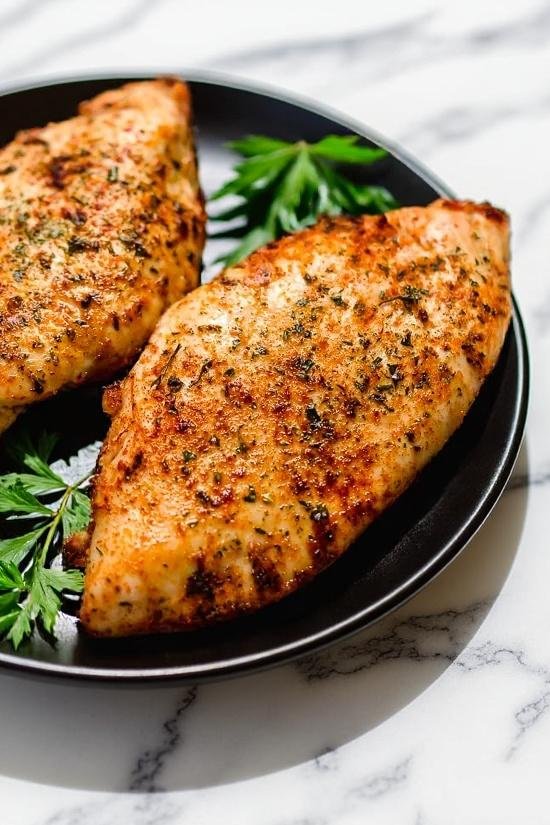
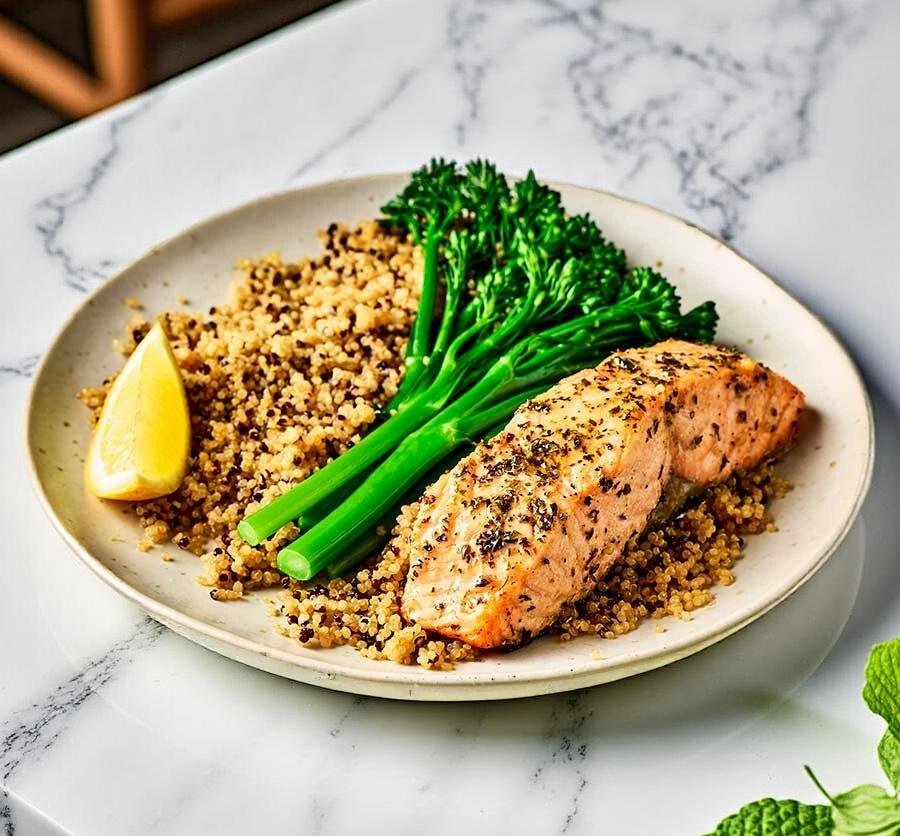
This makes low-FODMAP easy if you focus on protein. Our air fryer salmon, roast chicken, and beef stir-fry are all safe choices.
Safe fats:
• Butter and ghee
• Olive oil, coconut oil
• Animal fats (lard, tallow)
Safe vegetables (cooked):
• Carrots, potatoes, zucchini
• Spinach, kale (cooked)
• Bell peppers, tomatoes
• Green beans, bok choy
• Eggplant, cucumber
Safe fruits (in moderation):
• Berries (strawberries, blueberries, raspberries)
• Citrus (oranges, lemons)
• Grapes, kiwi
• Banana (firm, not ripe)
Safe dairy:
• Hard cheeses (cheddar, parmesan)
• Butter and ghee
• Lactose-free milk and yogurt
Foods to Avoid (High-FODMAP)
During elimination phase, avoid:
• Onions and garlic (biggest triggers for most people)
• Wheat products (bread, pasta, cereals)
• Beans and lentils
• Apples, pears, mangoes, watermelon
• Milk, soft cheese, ice cream
• Honey and agave
• Artificial sweeteners ending in "-ol" (sorbitol, xylitol)
Garlic and Onion Substitutes
These are in everything. Use garlic-infused oil (the fructans don't transfer to oil) for flavour. Chives and the green parts of spring onions are low-FODMAP alternatives.
The Three Phases
Phase 1: Elimination (2-6 weeks)
Remove all high-FODMAP foods. This is strict but temporary. Focus on protein (meat, fish, eggs), safe vegetables, and quality fats. Use our air fryer chicken breast or beef and broccoli as go-to meals.
If symptoms improve significantly, move to Phase 2.
Phase 2: Reintroduction (6-8 weeks)
Test one FODMAP category at a time. For example:
• Week 1: Test lactose (milk)
• Week 2: Test fructans (wheat)
• Week 3: Test polyols (avocado)
Eat a test food for 3 days, noting symptoms. If no reaction, that FODMAP is safe for you.
Phase 3: Personalisation (ongoing)
Now you know YOUR triggers. Avoid those specifically while enjoying FODMAPs you tolerate. Most people can eat a fairly normal diet—just avoiding their 1-2 trigger categories.
Sample low-FODMAP day:
• Breakfast: Herb omelette (use chives instead of onion)
• Lunch: Roast chicken with roasted carrots and potatoes
• Dinner: Salmon with steamed bok choy and rice
• Snacks: Hard cheese, berries, hard-boiled eggs
Bottom line: Low-FODMAP isn't about restricting everything—it's about finding YOUR specific triggers. Since all proteins are low-FODMAP, this diet pairs perfectly with a meat-and-eggs approach. Identify your triggers, then eat freely within those boundaries.