Your gut lining replaces itself every 3-5 days. This means with the right foods, you can see improvement faster than you'd expect. The key is removing what damages it while adding what repairs it.
This guide focuses on practical, whole-food approaches to gut healing—no expensive supplements required.
How Your Gut Actually Heals
Your gut lining is a single layer of cells that acts as a barrier between your digestive tract and bloodstream. When damaged ("leaky gut"), undigested food particles and toxins slip through, triggering inflammation throughout your body.
Healing requires:
• Building blocks — collagen, glycine, glutamine (from bone broth, meat)
• Anti-inflammatory fats — omega-3s (from fatty fish)
• Zinc — essential for tissue repair (from red meat, oysters)
• Beneficial bacteria — from fermented foods
• Removing irritants — processed foods, seed oils, excess sugar
Top 10 Gut Healing Foods
1. Bone Broth
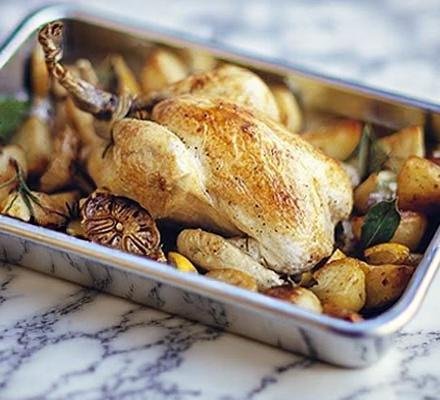
The #1 gut healing food. Contains collagen, gelatin, and glycine that directly repair intestinal lining. Make it from chicken carcasses or beef bones. Drink 1-2 cups daily. Nothing else comes close for gut repair.
2. Fatty Fish
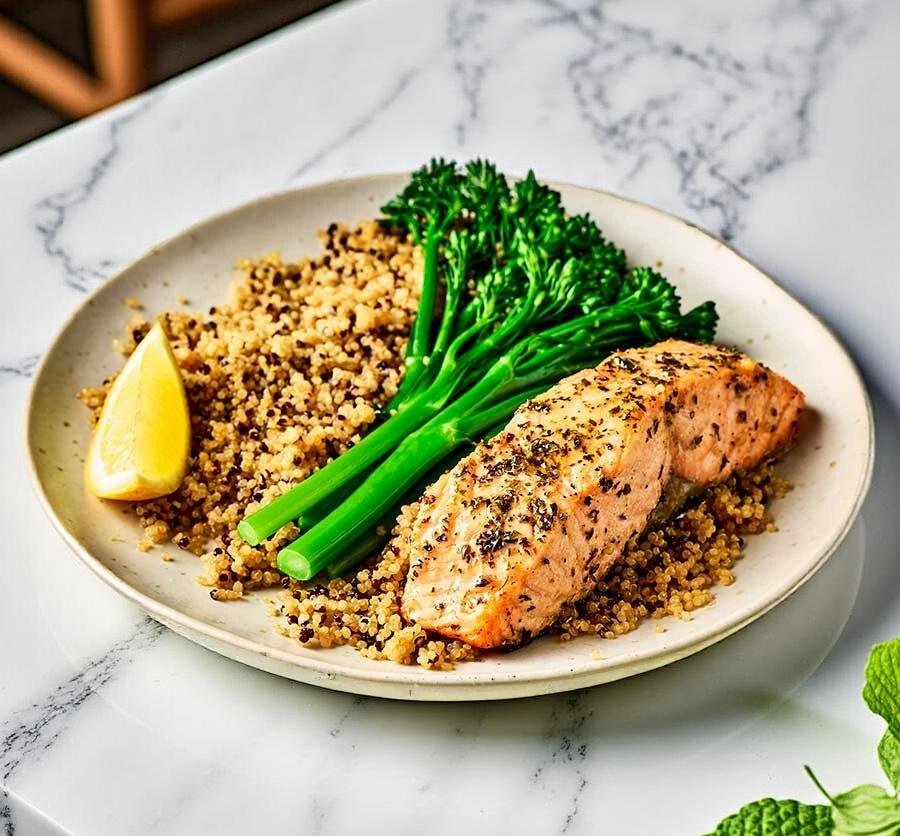
Salmon, sardines, mackerel provide omega-3s that reduce gut inflammation. Also easy to digest and protein-rich. Try our air fryer salmon—ready in 20 minutes.
3. Eggs
Gentle on digestion, packed with nutrients. Egg yolks contain phospholipids that support gut membrane integrity. Soft-boiled or poached are easiest to digest. Our herb omelette is a gut-friendly breakfast.
4. Red Meat (Beef, Lamb)
Best source of zinc and B12—both essential for gut repair. Heme iron absorbs 10x better than plant iron. Slow-cooked is gentler on digestion. Try beef stir-fry or lamb koftas.
5. Fermented Foods
Sauerkraut, kimchi, kefir, plain yogurt, miso—these provide live beneficial bacteria. Start with 1-2 tablespoons daily and increase gradually. Our miso soup is an easy introduction.
6. Liver
Nature's multivitamin. Extremely high in vitamin A, B12, and iron—all needed for gut cell regeneration. Even 100g per week makes a difference. If you don't like the taste, blend it into meatballs or burgers.
7. Avocado
Healthy fats and fibre in a gentle, easy-to-digest package. Doesn't irritate like raw vegetables can. Great fat source for those healing.
8. Cooked Root Vegetables
Carrots, sweet potatoes, squash—soft when cooked, easy to digest, provide gentle fibre. Much better than raw vegetables for damaged guts.
9. Ghee/Butter
Contains butyrate, which gut cells use as fuel. Ghee is clarified butter without the milk proteins—often tolerated by those sensitive to dairy.
10. Ginger
Anti-inflammatory and aids digestion. Add to stir-fries, soups, or make ginger tea. Helps with nausea and bloating.
Foods That Slow Gut Healing
Remove completely while healing:
• Seed oils (canola, soybean, vegetable oil)
• Refined sugar and artificial sweeteners
• Processed foods with long ingredient lists
• Alcohol
• Gluten (at least temporarily)
Minimize or avoid:
• Raw vegetables (too hard to digest when gut is damaged)
• High-fibre grains (oats, bran, whole wheat)
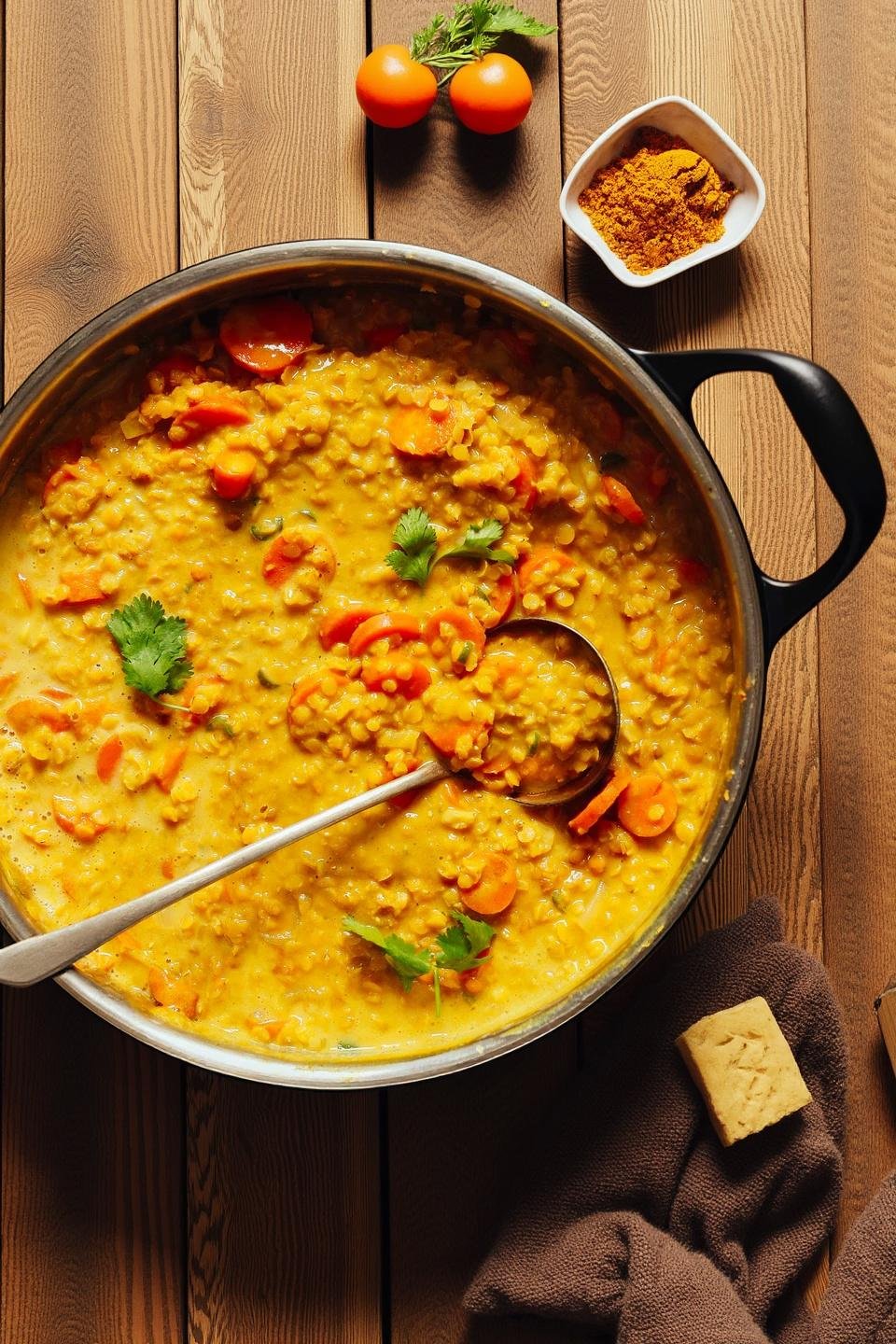
• Legumes (beans, lentils—contain lectins)
• Nuts in large quantities (hard to digest)
• Excessive caffeine
Healing vs. Maintenance
Once your gut heals (usually 4-12 weeks), you can gradually reintroduce foods like raw vegetables and some grains. But during active healing, keep things simple and easy to digest.
Realistic Gut Healing Timeline
Week 1-2: Reduced bloating, more regular digestion. Energy may fluctuate as body adjusts.
Week 3-4: Noticeable reduction in symptoms. Brain fog starts to lift. Sleep often improves.
Week 5-8: Significant healing. Many food sensitivities reduce. Energy stabilises.
Month 3+: Deep healing of chronic issues. Can start reintroducing foods to test tolerance.
Bottom line: Gut healing is simple but not easy. Focus on bone broth, fatty fish, eggs, quality meat, fermented foods, and cooked vegetables. Remove processed foods and seed oils. Be patient—your gut will repair itself if you give it the right materials and stop damaging it.