Your gut affects everything—energy, mood, skin, immune system, even your ability to think clearly. If you're dealing with bloating, fatigue, brain fog, or just feeling "off," your gut is likely the root cause.
This guide cuts through the marketing noise. No expensive supplements, no extreme diets. Just practical, evidence-based steps to heal your gut with real food.
What is Gut Health (And Why Should You Care?)
Your gut is a 30-foot tube from mouth to... the other end. It's where you digest food, absorb nutrients, and house trillions of bacteria (your microbiome). When this system works well, you feel great. When it doesn't, everything suffers.
Why gut health matters:
• 70% of your immune system lives in your gut. Poor gut = getting sick more often.
• Your gut produces 90% of serotonin (the "happy chemical"). Bad gut = bad mood, anxiety.
• Nutrient absorption happens here. Damaged gut = deficiencies even with good diet.
• Inflammation starts in the gut and spreads systemically. Chronic inflammation = chronic disease.
The modern lifestyle is brutal on guts: processed food, antibiotics, stress, poor sleep, seed oils, excess sugar. Most people's guts are in rough shape without even knowing it.
Signs Your Gut Needs Work
Obvious signs:
• Bloating after meals (especially within 30 minutes)
• Constipation or diarrhea (or alternating between both)
• Heartburn, acid reflux
• Excessive gas
• Food sensitivities that seem to multiply
Less obvious signs (that most people miss):
• Brain fog — can't think clearly, especially after eating
• Chronic fatigue — tired even with enough sleep
• Skin issues — acne, eczema, rosacea (gut and skin are connected)
• Mood problems — anxiety, depression, irritability
• Getting sick often — immune system is compromised
• Joint pain — inflammation from gut leaks into bloodstream
• Sugar/carb cravings — bad bacteria literally make you crave their food
The Gut-Brain Connection
If you have anxiety or depression that doesn't respond well to treatment, check your gut. The vagus nerve directly connects gut to brain. Many people find their mental health improves dramatically when they fix their digestion.
Foods That Actually Heal Your Gut
Forget the "eat more fibre" advice that dominates gut health articles. For many people with gut issues, excess fibre makes things worse. Here's what actually works:
1. Bone Broth
The #1 gut healing food. Contains glycine, collagen, and gelatin that literally repair gut lining. Drink a cup daily, or use it as a base for soups. Make your own from chicken or beef bones—much more effective than store-bought.
2. Fatty Fish (Salmon, Sardines, Mackerel)
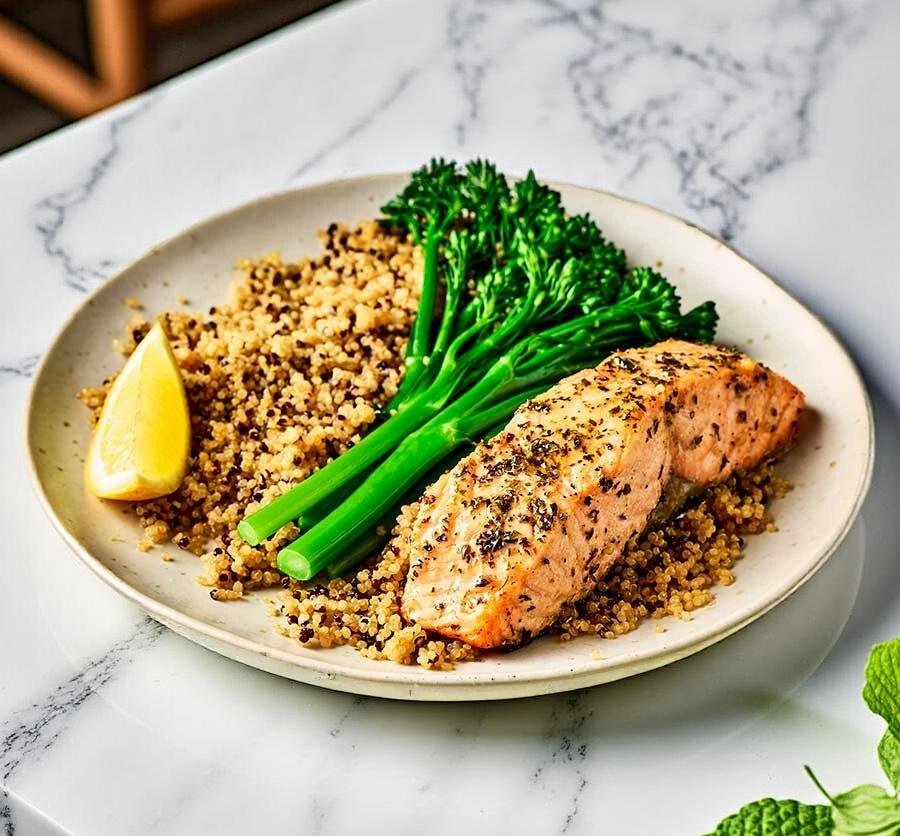
Omega-3s reduce gut inflammation. Also provides easily digestible protein. Aim for 2-3 servings per week. Our air fryer salmon is a quick option.
3. Fermented Foods (Real Ones)
Sauerkraut, kimchi, kefir, plain full-fat yogurt, miso. These provide beneficial bacteria AND the food they need. Start small (1-2 tablespoons) if you're not used to them—they can cause bloating initially. Try our miso soup for an easy way to add fermented foods.
4. Eggs
Easy to digest, highly nutritious. The choline in egg yolks supports gut lining integrity. If you react to eggs, it's often a sign of poor gut health—work on healing first, then reintroduce.
5. Well-Cooked Meat
Easier to digest than raw vegetables. Slow-cooked meats (roast chicken, beef stew, lamb) are particularly gentle on the gut. Red meat provides zinc, which is essential for gut repair. Try our roast chicken.
6. Cooked Vegetables (Not Raw)
Raw vegetables are hard to digest for damaged guts. Cook them until soft—steamed, roasted, or in soups. Zucchini, carrots, squash are generally well-tolerated.
Foods That Damage Your Gut
Cut these first:
• Seed oils (canola, soybean, sunflower, vegetable oil) — highly inflammatory, damage gut lining. Found in almost all processed foods and restaurant cooking.
• Refined sugar — feeds bad bacteria and yeast, causes inflammation.
• Processed foods — contain emulsifiers and additives that destroy gut bacteria.
• Gluten (for many people) — even if you're not celiac, gluten can cause gut permeability.
• Excessive alcohol — directly damages gut lining and kills good bacteria.
Be careful with:
• Raw vegetables — if your gut is damaged, these can cause bloating and discomfort.
• High-fibre grains — oats, whole wheat, bran can irritate sensitive guts.
• Legumes — beans, lentils contain lectins that some people don't tolerate.
• Dairy (for some) — try removing for 2 weeks and see how you feel. Fermented dairy (kefir, yogurt) is usually better tolerated.
The Elimination Approach
If you're not sure what's causing your gut issues, remove the major irritants (gluten, dairy, sugar, seed oils) for 3-4 weeks. Then add them back one at a time, 3 days apart, and note your reactions. Your body will tell you what it doesn't like.
Practical Steps to Fix Your Gut
Week 1-2: Remove the Bad
• Cut processed foods, seed oils, refined sugar
• Stop snacking between meals (give your gut rest)
• Reduce alcohol to minimal or zero
• Cook at home as much as possible
Week 2-4: Add the Good
• Start each day with bone broth or eggs
• Add one fermented food daily (small amount)
• Eat fatty fish 2-3x per week
• Replace raw salads with cooked vegetables
• Prioritise protein at every meal
Ongoing Habits:
• Chew thoroughly — digestion starts in the mouth. Most people inhale their food.
• Don't drink water with meals — dilutes stomach acid. Drink 30 min before or 1 hour after.
• Manage stress — stress directly impairs digestion. Eat in a relaxed state.
• Sleep 7-8 hours — gut repairs during sleep.
• Walk after meals — gentle movement aids digestion.
Common Gut Health Mistakes
1. Taking probiotics without fixing diet
Probiotics are useless if you're still eating garbage. Fix the diet first. Many people don't need supplements at all once they're eating real food.
2. Eating too much fibre
"Eat more fibre" is terrible advice for damaged guts. Fibre feeds bacteria—if you have an imbalanced microbiome, you're feeding the wrong bacteria and making bloating worse.
3. Following generic "healthy eating" advice
Smoothie bowls, overnight oats, whole grain everything—this advice is for people with healthy guts. If yours is damaged, you need to heal first, then slowly add these foods back.
4. Ignoring the role of stress
You can eat perfectly and still have gut issues if you're chronically stressed. The gut-brain connection is real. Address both.
5. Expecting overnight results
Gut healing takes time—weeks to months, depending on damage. Be patient. Small improvements compound.
Bottom line: Your gut can heal. Remove the foods that damage it, add the foods that repair it, and give it time. Real food, properly cooked, is the foundation. No expensive supplements required—just meat, fish, eggs, cooked vegetables, bone broth, and fermented foods. Start simple, stay consistent, and your body will respond.