Heartburn, often a symptom of acid reflux or GERD, can disrupt daily life with its uncomfortable burning sensation in the chest. While medications offer temporary relief, adjusting your diet provides a sustainable way to manage symptoms. This article explores evidence-based heartburn diet tips, focusing on foods that support gut health and reduce acid production. By incorporating these strategies, you can minimise flare-ups and improve digestive comfort.
Understanding Heartburn and the Role of Diet
Heartburn occurs when stomach acid flows back into the oesophagus, causing irritation and discomfort. Common triggers include certain foods, overeating, and lying down soon after meals. According to studies from the American College of Gastroenterology, dietary changes can significantly reduce symptoms in up to 70% of GERD sufferers. A heartburn diet emphasises low-acid, non-irritating foods that promote gut health by maintaining a balanced microbiome and reducing inflammation.
Beyond immediate relief, these dietary adjustments support long-term digestive wellbeing. For instance, high-fibre foods can help regulate digestion, preventing the pressure that pushes acid upwards. It's essential to identify personal triggers, as they vary, but general guidelines focus on avoiding high-fat and spicy items while favouring lean proteins and whole grains.
Implementing a heartburn diet isn't about restriction alone; it's about making smarter choices. Start by keeping a food diary to track what exacerbates your symptoms, then gradually introduce gut-friendly alternatives. This approach not only alleviates heartburn but also enhances overall nutrition.
Foods to Avoid in a Heartburn Diet
Certain foods are notorious for triggering acid reflux by relaxing the lower oesophageal sphincter or increasing stomach acid. Top offenders include fried and fatty foods, which slow digestion and allow acid to build up. Research from the Journal of Gastroenterology indicates that reducing intake of these can cut heartburn episodes by half.
Acidic foods like citrus fruits, tomatoes, and vinegar-based dressings should also be limited, as they directly irritate the oesophagus. Spicy dishes, chocolate, and caffeinated beverages further exacerbate symptoms by stimulating acid production. Alcohol and carbonated drinks are additional culprits, as they can cause bloating and pressure on the stomach.
To apply this in practice, scan labels for hidden triggers and opt for baked or grilled options over fried. Gradually phase out these items over a week to avoid abrupt changes that might upset your gut. Remember, moderation is key; occasional indulgences might be tolerable if balanced with soothing foods.
Quick Tip: Track Your Triggers
Maintain a simple journal noting meals and subsequent symptoms. Over two weeks, patterns will emerge, helping you tailor your heartburn diet effectively without guesswork.
Best Foods to Include for Acid Reflux Relief
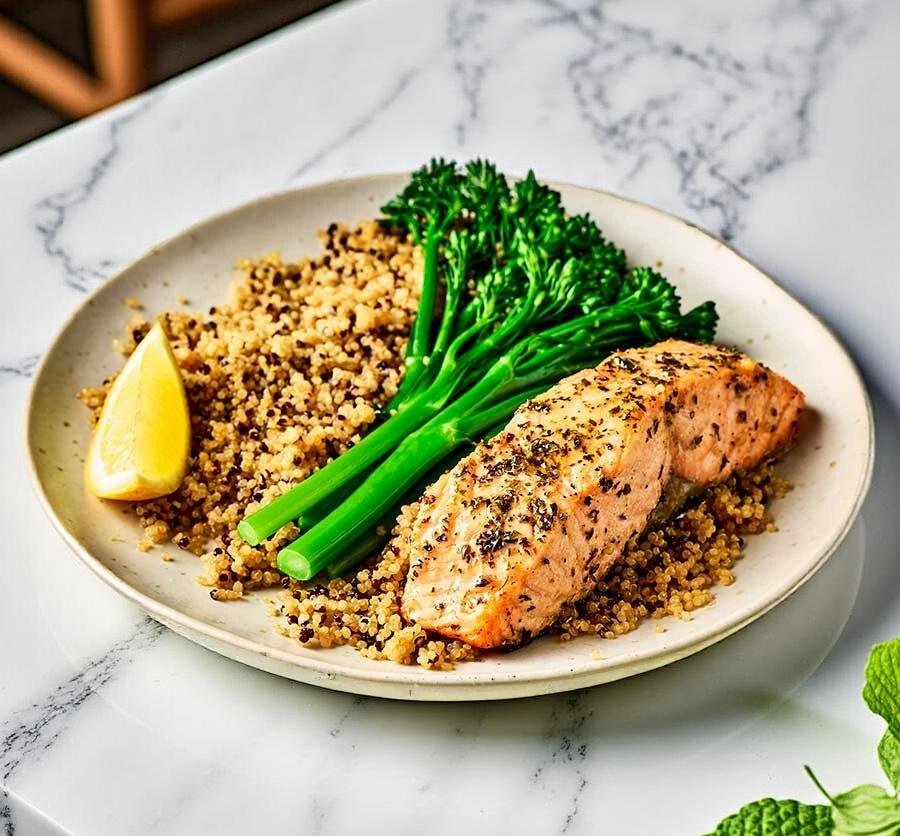
A heartburn diet thrives on alkaline and soothing foods that neutralise acid and support digestion. Oatmeal, bananas, and melons are excellent starters, providing soluble fibre that absorbs excess acid. Lean proteins like chicken and fish are gentle on the stomach, offering satiety without the fat that delays emptying.
Incorporate vegetables such as broccoli, green beans, and carrots, which are low in acid and high in nutrients. Whole grains like brown rice and quinoa aid gut health by promoting regular bowel movements, reducing internal pressure. Fermented foods, in moderation, can enhance microbiome diversity, potentially easing GERD symptoms as per a study in Gut journal.
Practical examples include starting your day with avocado on whole-grain toast or a smoothie bowl packed with low-acid fruits. For dinner, try baked fish or a vegetable stir-fry. These choices not only curb heartburn but also boost overall energy and wellbeing.
Meal Timing and Eating Habits for GERD Management
Eating habits play a crucial role in managing acid reflux foods. Consuming smaller, more frequent meals prevents stomach overload, reducing the likelihood of acid backup. Aim for three main meals and two snacks, spacing them evenly throughout the day.
Avoid eating within three hours of bedtime to allow gravity to keep acid down. Chewing thoroughly and eating slowly aids digestion, minimising air swallowing that leads to bloating. Studies show that mindful eating can decrease GERD symptoms by 40%.
Incorporate habits like sitting upright during meals and staying elevated post-eating. If you experience nighttime heartburn, elevate your bed head by 15-20 cm. These tweaks, combined with a solid heartburn diet, create a comprehensive strategy for relief.
Quick Tip: Portion Control
Use smaller plates to naturally reduce portion sizes. This simple change can prevent overeating and keep acid reflux at bay without feeling deprived.
Lifestyle Tips to Complement Your Heartburn Diet
While diet is foundational, lifestyle adjustments amplify its effects. Maintaining a healthy weight reduces abdominal pressure on the stomach, a key factor in GERD. Even a 5-10% weight loss can significantly alleviate symptoms, according to obesity research.
Regular exercise, such as walking or yoga, promotes digestion without straining the core. Avoid intense workouts right after meals. Quitting smoking is vital, as it weakens the oesophageal sphincter. Hydration with water, rather than acidic drinks, dilutes stomach acid.
Stress management through meditation or deep breathing can lower acid production, as stress hormones exacerbate reflux. Combine these with your gerd diet for holistic improvement in gut health and symptom control.
Sample Meal Ideas from BetterEats
Putting theory into practice, here are sample meals tailored for heartburn relief. For breakfast, try our avocado-toast, which combines fibre-rich bread with creamy avocado for a gentle start that supports gut health.
Lunch could feature the spiced-quinoa-with-almonds-feta, a low-FODMAP option that's easy on the digestive system and packed with anti-inflammatory nuts. For a snack, the salmon-lemon-mini-fish-cakes provide high-protein satisfaction without heavy fats.
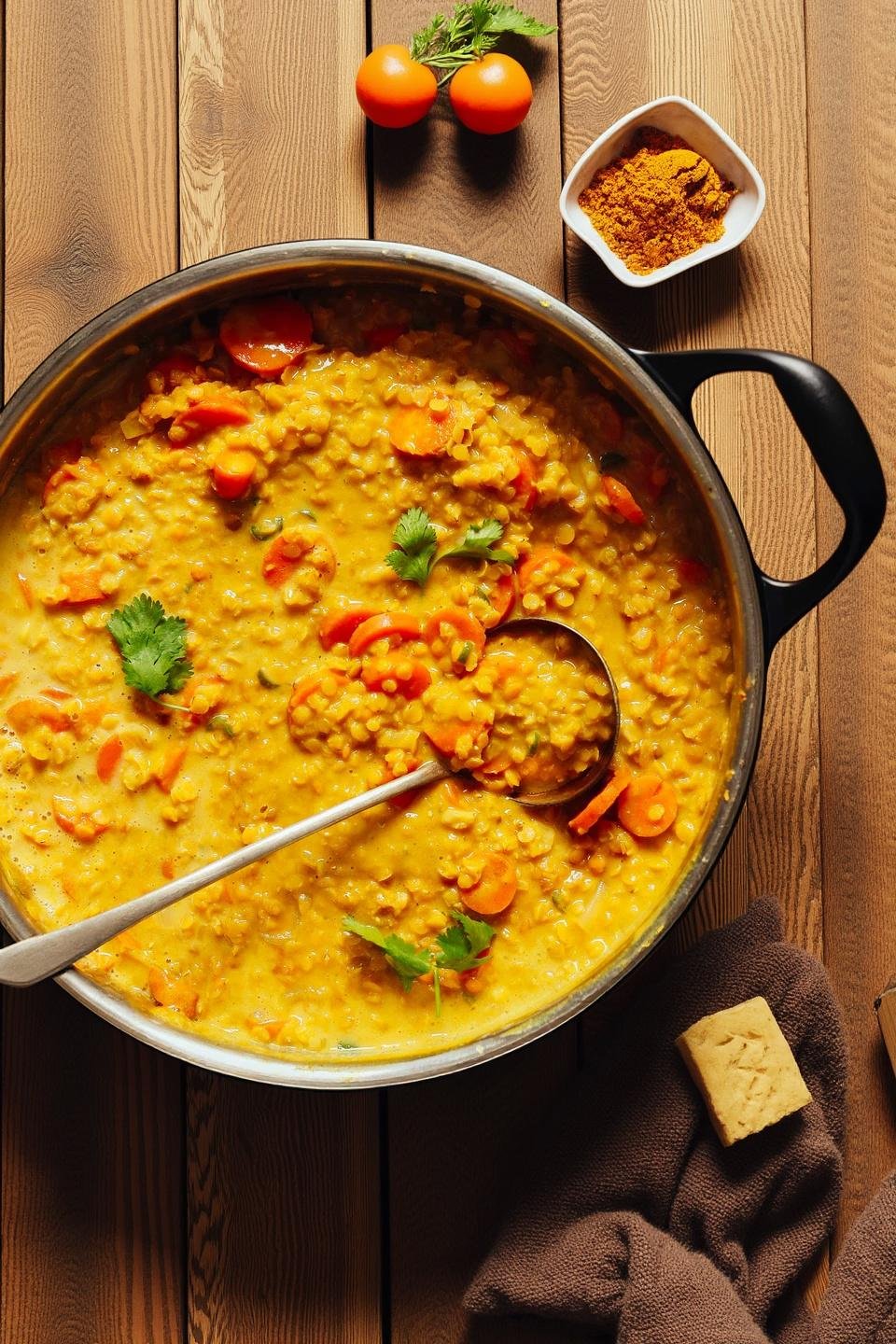
Dinner ideas include the 1-pot-kabocha-chickpea-miso-soup for a soothing, vegan broth, or air-fryer-salmon with steamed veggies. These recipes from BetterEats are designed for simplicity and digestive benefits, helping you stick to your heartburn diet effortlessly.
When to Seek Professional Help
While diet tips can manage mild heartburn, persistent symptoms warrant medical attention. If you experience frequent episodes, difficulty swallowing, or unintended weight loss, consult a doctor to rule out complications like oesophagitis.
Professional guidance might include endoscopy or pH monitoring for accurate diagnosis. Medications or further interventions could be necessary if lifestyle changes aren't sufficient. Always discuss your heartburn diet with a healthcare provider to ensure it aligns with any underlying conditions.
In summary, adopting these evidence-based strategies can transform your experience with acid reflux. Start small, track progress, and explore BetterEats recipes like anytime-eggs or baked-chicken-breast for inspiration. For personalised advice, reach out to a nutritionist and take control of your gut health today.
Quick Tip: Stay Consistent
Commit to your gerd diet for at least four weeks to see noticeable improvements. Consistency is key to reprogramming your digestive habits and achieving lasting relief.