"Eat more fibre" is probably the most common gut health advice. It's also incomplete and often wrong.
The truth: fibre can help or hurt depending on your gut's condition. For many people—especially those with IBS, bloating, or damaged guts—more fibre makes symptoms worse.
The Fibre Myth
Conventional wisdom says we need 25-30g of fibre daily. This recommendation is based on population studies, not controlled trials. And here's what they don't mention:
• Humans don't need fibre to survive or thrive
• Many traditional cultures ate very low-fibre diets (Inuit, Maasai)
• Carnivore dieters often report improved digestion with zero fibre
• Fibre fermentation produces gas—that's why it causes bloating
This doesn't mean fibre is bad. It means the "more is better" approach is wrong. Context matters.
When Fibre Actually Helps
Fibre can benefit you if:
• Your gut is healthy (no IBS, bloating, or sensitivity)
• You tolerate it well without symptoms
• You eat it from whole foods, not supplements
• You increase slowly and drink enough water
Best fibre sources (if you tolerate them):
• Cooked root vegetables (carrots, sweet potato, squash)
• Avocados
• Berries (lower sugar than other fruits)
• Cooked leafy greens
• Resistant starch from cooled potatoes or rice
When Fibre Makes Things Worse
Reduce fibre if you have:
• IBS or SIBO (small intestinal bacterial overgrowth)
• Chronic bloating or gas
• Constipation that doesn't improve with more fibre (yes, this happens)
• Inflammatory bowel conditions
• Any form of gut damage or "leaky gut"
High-fibre foods that often cause problems:
• Bran and whole wheat products
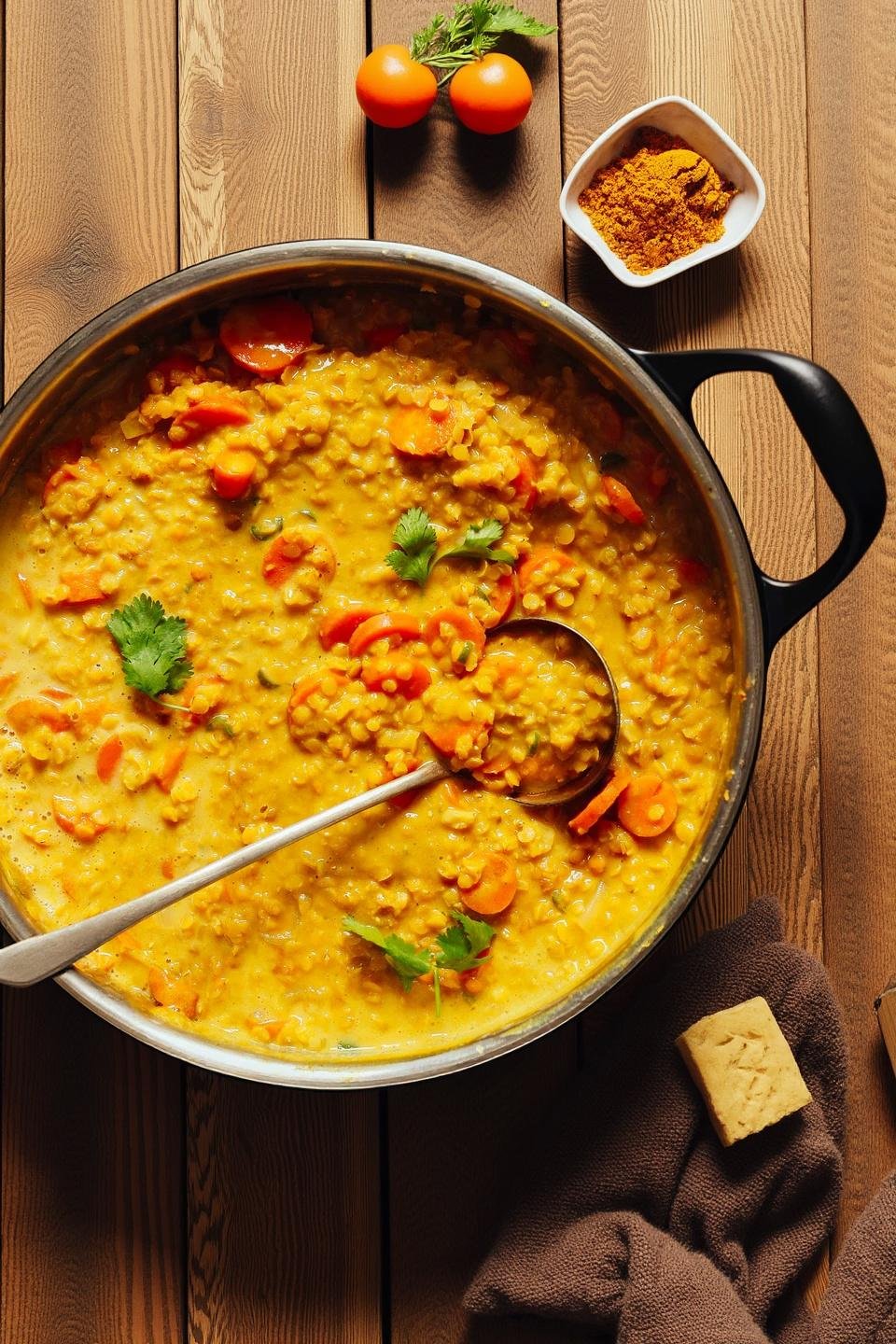
• Legumes (beans, lentils, chickpeas)
• Raw vegetables (especially cruciferous)
• Psyllium husk and fibre supplements
• Overnight oats and high-fibre cereals
The Bran Trap
Many people with constipation eat more bran and fibre, which makes them more bloated and uncomfortable. If adding fibre doesn't help within a week, try the opposite—eat less fibre and more fat. Often works better.
A Better Approach to Gut Health
Instead of obsessing over fibre, focus on what actually heals and supports your gut:
1. Protein and Fat First
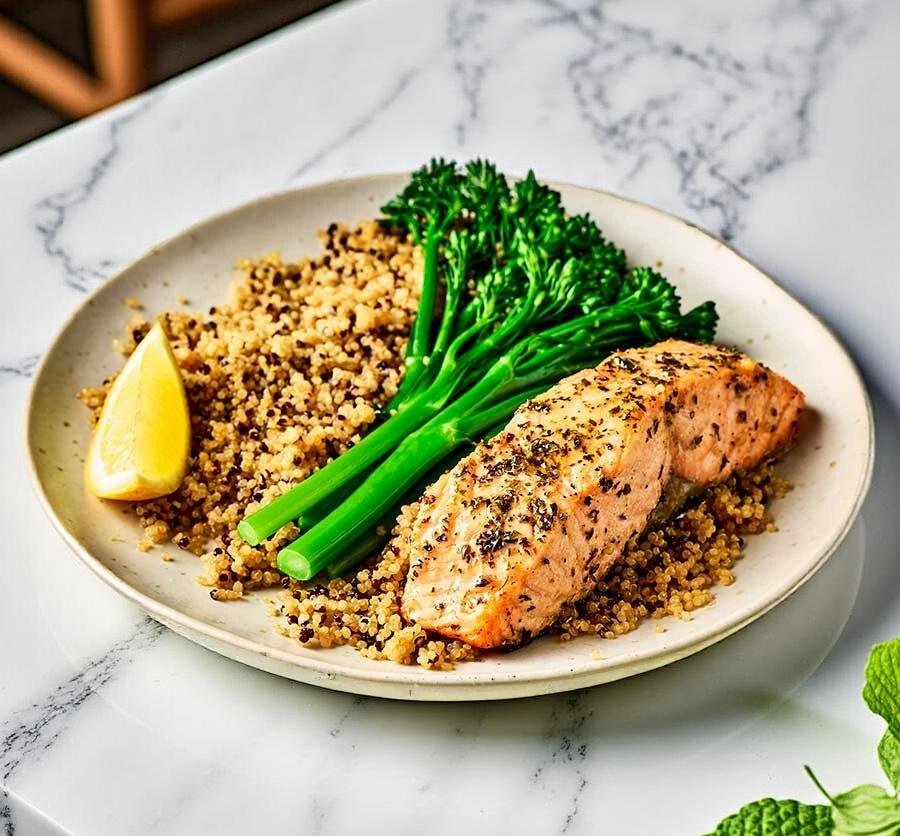
Meat, fish, eggs provide amino acids and fats your gut lining needs to repair. Try roast chicken, salmon, or beef stir-fry. These digest easily without causing bloating.
2. Bone Broth Daily
Collagen and gelatin repair gut lining directly. No fibre needed. This is more effective for gut health than any amount of bran or oats.
3. Fermented Foods Over Fibre
Want to feed your gut bacteria? Fermented foods work better than fibre for many people. Sauerkraut, kimchi, kefir, miso—start small. Try our miso soup.
4. Cooked Over Raw
If you eat vegetables, cook them well. This breaks down fibre and makes nutrients more accessible. Beef and broccoli is a good example—the broccoli is soft and digestible.
5. Test Your Tolerance
After your gut heals (4-12 weeks on easy-to-digest foods), slowly reintroduce higher-fibre foods one at a time. Notice how each affects you. Some people do fine with sweet potatoes but not beans. Others thrive on very low fibre permanently.
A typical gut-healing day:
• Breakfast: Herb omelette with avocado
• Lunch: Roast chicken with well-cooked carrots and squash
• Dinner: Salmon with steamed broccoli and butter
• Throughout day: Bone broth, small amounts of fermented foods
Bottom line: You don't need 30g of fibre daily. Some people do better with very little. Focus on gut-healing foods—bone broth, fatty fish, eggs, quality meat—and add fibre only if you tolerate it well. Listen to your body, not general recommendations.