The supplement industry has turned "prebiotics" and "probiotics" into confusing marketing terms. Let's cut through it.
Probiotics = live beneficial bacteria (from fermented foods or supplements)
Prebiotics = food that feeds your gut bacteria (certain fibres)
That's it. Now let's talk about what actually matters for your gut.
Probiotics: Live Bacteria That Work
Probiotics are live microorganisms that benefit your gut when consumed. They're found in fermented foods—sauerkraut, kimchi, kefir, yogurt, miso.
What the research shows:
• Help restore gut bacteria after antibiotics
• Reduce IBS symptoms in many people
• May improve immune function
• Can reduce inflammation
Best probiotic sources (food, not pills):
• Sauerkraut — raw, unpasteurised (refrigerated section)
• Kimchi — Korean fermented cabbage
• Kefir — fermented milk with 30+ bacterial strains
• Full-fat plain yogurt — must say "live cultures"
• Miso — fermented soybean paste (don't boil it)
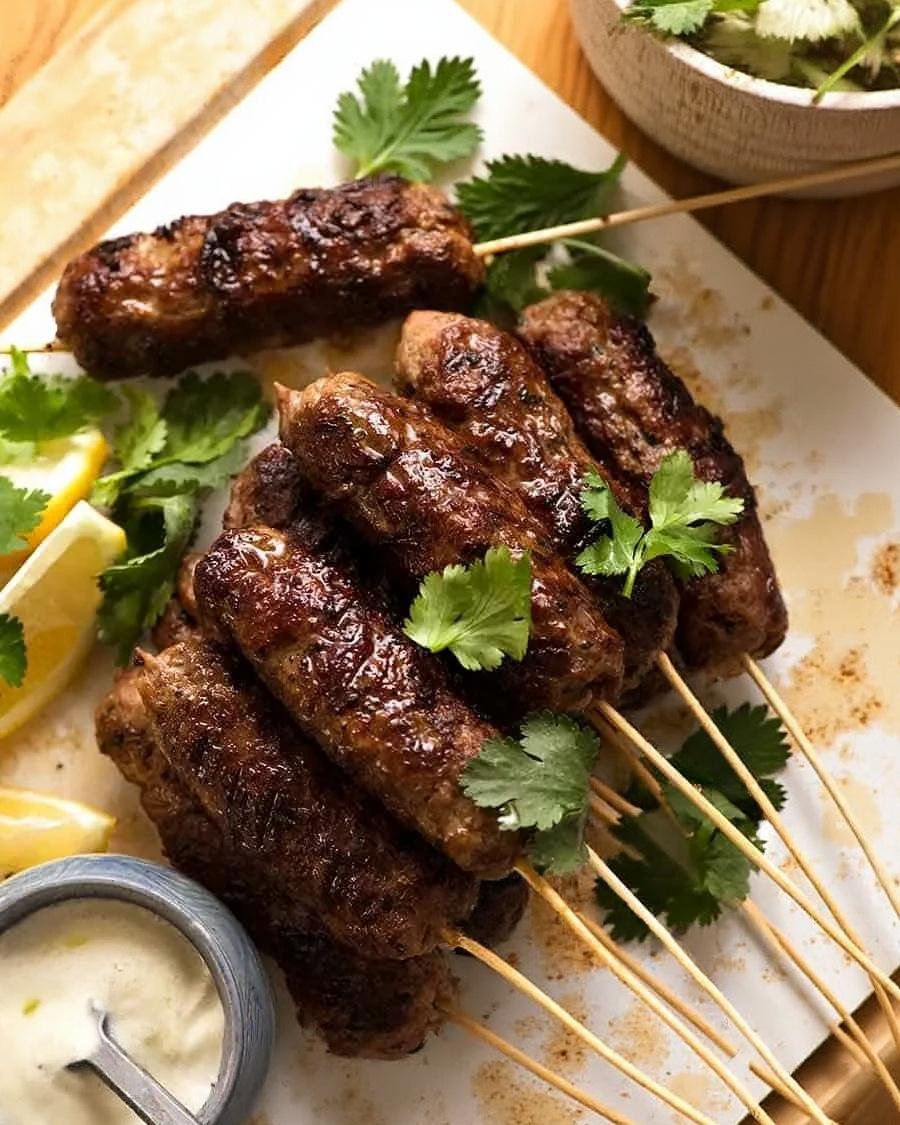
Our lamb koftas with yoghurt and miso soup are easy ways to include probiotics.
Skip the Supplements
Most probiotic supplements are expensive and often ineffective—many bacteria die before reaching your gut. Fermented foods have survived thousands of years because they work. A jar of sauerkraut costs £3 and lasts weeks.
Prebiotics: Food for Bacteria
Prebiotics are fibres and compounds that feed beneficial gut bacteria. When bacteria ferment these fibres, they produce short-chain fatty acids (SCFAs) that fuel gut cells and reduce inflammation.
Common prebiotic sources:
• Garlic and onions (if tolerated)
• Leeks and asparagus
• Jerusalem artichokes
• Under-ripe bananas
• Cooked and cooled potatoes (resistant starch)
The caveat: If your gut is damaged or you have SIBO/IBS, prebiotics can make things WORSE. The fermentation that feeds good bacteria also feeds problematic bacteria, causing bloating and discomfort.
This is why some people feel worse eating "healthy" high-fibre foods. Their gut isn't ready for them yet.
What Actually Matters
1. Fix the foundation first
Before worrying about prebiotics and probiotics, address the basics:
• Remove seed oils, processed foods, and excess sugar
• Eat protein at every meal—meat, fish, eggs
• Drink bone broth for gut lining repair
• Manage stress (impacts gut directly)
These fundamentals matter more than any supplement.
2. Add probiotics through food
Once your foundation is solid, add fermented foods gradually. Start with 1 teaspoon of sauerkraut or kimchi with meals. Increase slowly over weeks.
Don't bother with probiotic supplements unless specifically recommended by a doctor for a specific condition.
3. Be cautious with prebiotics
If you have digestive issues, prebiotics might not be right for you yet. The advice to "eat more fibre" backfires for many people with gut problems.
Once your gut heals (usually 2-3 months of clean eating + fermented foods), you can experiment with prebiotic foods. If they cause bloating, back off.
A Practical Approach
If your gut is damaged/sensitive:
1. Focus on easy-to-digest proteins: eggs, fish, chicken
2. Add bone broth daily for gut repair
3. Cook vegetables well (no raw salads)
4. Avoid high-fibre prebiotics for now
5. Introduce fermented foods slowly after 2-4 weeks
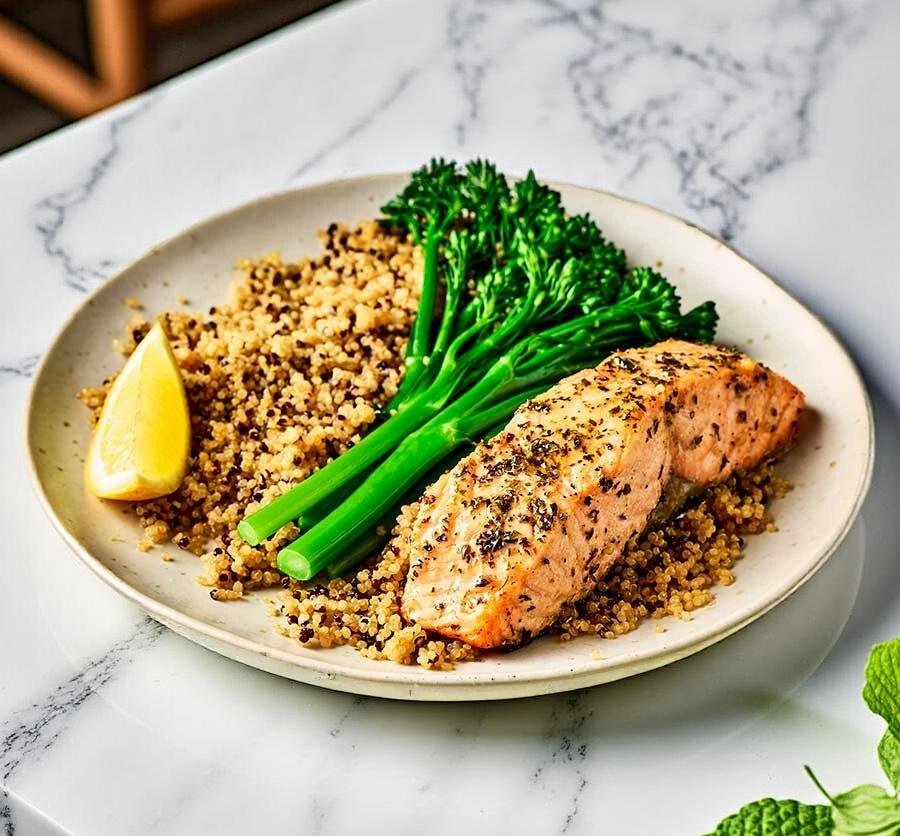
Try salmon, eggs, and roast chicken as staples.
If your gut is healthy:
1. Eat fermented foods regularly (sauerkraut, kimchi, yogurt)
2. Include prebiotic foods if tolerated
3. Maintain protein-rich diet
4. Limit processed foods and seed oils
5. Enjoy variety without overthinking
Sample gut-supporting day:
• Breakfast: Herb omelette with spoonful of sauerkraut
• Lunch: Roast chicken with cooked vegetables, cup of bone broth
• Dinner: Beef stir-fry with kimchi on the side
Bottom line: Forget the prebiotic/probiotic supplement industry. Eat protein at every meal, add fermented foods gradually, avoid processed junk, and let your gut heal naturally. The distinction between prebiotics and probiotics matters far less than eating real food consistently.