Your gut affects everything—energy, mood, skin, immune system, even how you think. When it's not working properly, symptoms show up in unexpected places.
Here are 10 signs your gut needs attention, and what actually fixes them (hint: it's not more fibre or smoothie bowls).
10 Warning Signs of Poor Gut Health
1. Chronic Bloating
Feeling like you're 6 months pregnant after meals isn't normal. It often signals bacterial overgrowth, food intolerances, or poor digestion. Ironically, adding more fibre makes this worse for many people.
2. Irregular Bowel Movements
Too frequent, not frequent enough, or alternating between both. Healthy digestion means 1-2 easy, complete bowel movements daily. Anything else signals imbalance.
3. Constant Fatigue
Your gut produces neurotransmitters and absorbs nutrients for energy. A damaged gut = poor absorption = fatigue no matter how much you sleep or how "healthy" you eat.
4. Skin Problems
Acne, eczema, rosacea, unexplained rashes—the gut-skin connection is real. Gut inflammation shows up on your skin. Fix the gut, the skin often follows.
5. Brain Fog
Can't concentrate, forgetful, mental sluggishness. The gut-brain axis means inflammation in your gut affects your brain. Many people report mental clarity returning within weeks of gut healing.
6. Food Sensitivities
Suddenly reacting to foods you used to tolerate? This often signals "leaky gut"—increased intestinal permeability letting undigested food particles into your bloodstream.
7. Frequent Illness
70% of your immune system lives in your gut. If you're constantly catching colds or infections, your gut might be compromised.
8. Mood Issues
Anxiety, depression, irritability. 90% of serotonin is made in the gut. An unhealthy gut = disrupted neurotransmitter production.
9. Sugar and Carb Cravings
Gut bacteria influence your cravings. An overgrowth of certain bacteria and yeast (like Candida) can drive intense sugar cravings to feed themselves.
10. Unintentional Weight Changes
Gaining or losing weight without trying can indicate your gut isn't absorbing nutrients properly or has hormonal imbalances related to bacterial composition.
Root Causes (Not What You'd Expect)
Mainstream advice blames "not enough fibre" or "not enough vegetables." For many people, that's backwards.
The real culprits:
• Seed oils — canola, soybean, vegetable oil. These are in everything and drive inflammation.
• Processed foods — additives, emulsifiers, and artificial ingredients damage gut lining.
• Excess sugar — feeds harmful bacteria and yeast.
• Antibiotics — wipe out good bacteria alongside bad.
• Chronic stress — directly affects gut motility and bacterial balance.
• Actually too MUCH fibre — damaged guts can't handle aggressive fibre intake.
The Fibre Trap
If you've been trying to fix gut issues by eating more oats, bran, and raw vegetables—and it's not working—try the opposite. Many people heal faster by REDUCING fibre and focusing on easy-to-digest proteins.
What Actually Fixes Gut Issues
Step 1: Remove the Damage
• Eliminate seed oils completely (cook with butter, ghee, olive oil, animal fats)
• Cut processed foods and refined sugar
• Reduce or eliminate alcohol temporarily
• Minimize raw vegetables if you're bloated
Step 2: Repair with Protein and Fat
Your gut lining needs amino acids to repair. Best sources:
• Bone broth — collagen and gelatin directly repair gut lining. Drink 1-2 cups daily.
• Eggs — gentle on digestion, full of nutrients. Herb omelette is a perfect gut-healing breakfast.
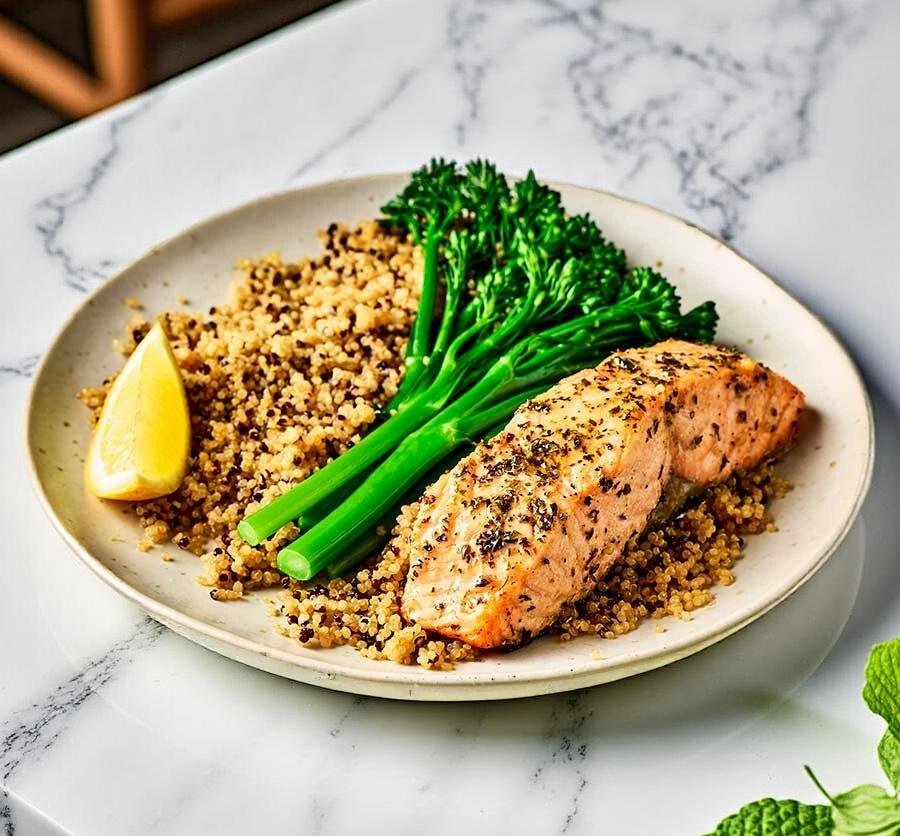
• Fatty fish — omega-3s reduce inflammation. Salmon 2-3x per week.
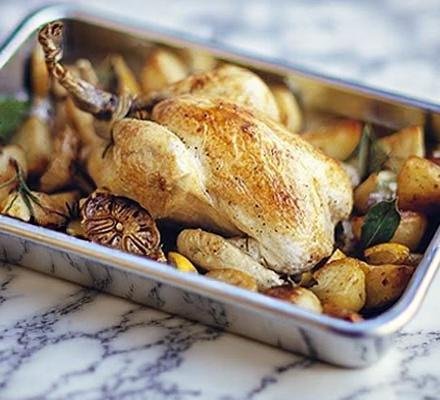
• Quality meat — roast chicken, beef, lamb provide zinc and B12 for healing.
Step 3: Repopulate with Fermented Foods
After 2-4 weeks of the above, slowly add:
• Sauerkraut (raw, unpasteurised)
• Kimchi
• Kefir or plain yogurt
• Miso — try our miso soup
Start with 1 teaspoon and increase gradually.
Step 4: Maintain Long-Term
• Keep protein as the foundation of every meal
• Cook vegetables instead of eating raw
• Continue avoiding seed oils and processed foods
• Manage stress (it directly impacts gut)
• Get enough sleep (gut repairs during sleep)
Realistic Healing Timeline
Week 1: Energy fluctuations as body adjusts. Possible temporary increase in symptoms.
Week 2-3: Bloating decreases. Bowel movements more regular.
Week 4-6: Energy improving. Brain fog lifting. Skin starting to clear.
Month 2-3: Significant improvement in most symptoms. Food sensitivities reducing.
Month 4+: Gut largely healed. Can start reintroducing foods to test tolerance.
Bottom line: Gut problems don't come from lack of fibre or supplements. They come from seed oils, processed foods, and excess sugar damaging your gut lining. Fix them by removing the damage and rebuilding with bone broth, protein, and fermented foods. It's not complicated—it just requires consistency.