Is Leczo Good for Your Gut?
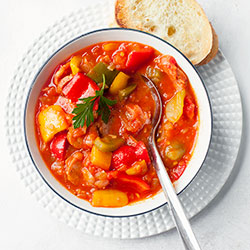
This Leczo recipe offers a decent gut health profile thanks to prebiotic-rich onions and garlic, along with fiber from peppers and tomatoes, making it supportive for microbiome diversity and low-glycemic stability. However, the inclusion of lard and processed sausage introduces inflammatory elements that detract from its potential. Overall, it's above average but could be improved by swapping out processed meats for leaner or plant-based options to boost anti-inflammatory scores.
✅ Gut Heroes
- 85 2 cloves garlic — Garlic provides allicin and fructans, prebiotics that feed beneficial gut bacteria and enhance immune function
- 82 2 onions — Onions are rich in inulin, a prebiotic fiber that selectively stimulates Bifidobacteria and Lactobacilli in the gut
- 75 1 kg tomatoes + 2 tablespoons tomato concentrate (or 500 ml passata) — Tomatoes are rich in lycopene and soluble fiber, which support anti-inflammatory pathways and feed gut bacteria
⚠️ Gut Villains
- 30 200 g sausage (e.g., wiejskiej, podsuszanej) — Processed sausage contains nitrates and saturated fats that may disrupt gut barrier function and promote inflammation via endotoxin release
- 35 2 tablespoons lard — Lard is high in saturated fats that can promote gut inflammation by altering the microbiome balance toward pro-inflammatory bacteria
FODMAP Alert
This recipe contains high-FODMAP ingredients like onions and garlic, which can cause bloating, gas, or discomfort in IBS sufferers due to fructans. Consider low-FODMAP alternatives such as garlic-infused oil or the green parts of leeks, and limit portions or use FODMAP-friendly substitutes like carrot or celery for onions.
🔄 Quick Swaps to Boost Your Score
Introduces anti-inflammatory polyphenols and omega-9 fats to reduce gut inflammation
Adds live probiotics from fermentation and prebiotic fiber to enhance microbiome diversity
Boosts soluble fiber and antioxidants for improved prebiotic and anti-inflammatory support
Important Medical Disclaimer
I am NOT a doctor or medical professional. The BetterEats Score is an educational tool based on nutritional research. This is NOT medical advice.
Our FODMAP information is based on Monash University Low FODMAP research, the world's leading authority on FODMAPs and digestive health. However, this is NOT a substitute for professional guidance. Always consult a qualified healthcare professional before making dietary changes.
📊 Detailed Analysis
4-Pillar Gut Health Analysis
This recipe features strong prebiotic sources like onions and garlic, which provide inulin and fructans that feed beneficial gut bacteria. Bell peppers and tomatoes contribute additional soluble fiber, enhancing overall prebiotic density. However, the lack of legumes or whole grains limits it from the highest tier.
There are no fermented foods or live cultures present, offering no direct probiotic benefits. The recipe is not hostile to gut bacteria, as it avoids antibacterial ingredients like excessive preservatives. This results in a neutral probiotic environment without active support for microbiome diversity.
Polyphenols from bell peppers, tomatoes, and paprika provide some anti-inflammatory benefits by reducing oxidative stress. However, lard and processed sausage introduce saturated fats and potential nitrates, which can promote inflammation. The balance leans toward moderate inflammation due to these processed elements.
The vegetable-based composition, rich in fiber from peppers and tomatoes, ensures a very low glycemic index with minimal blood sugar spikes. There are no refined carbs or sugars, allowing for stable glucose levels. This supports gut health by preventing dysbiosis linked to high-glycemic fluctuations.
Full Ingredient Breakdown
Lard is high in saturated fats that can promote gut inflammation by altering the microbiome balance toward pro-inflammatory bacteria. It lacks fiber or beneficial compounds, making it unfriendly for digestive wellness.
Onions are rich in inulin, a prebiotic fiber that selectively stimulates Bifidobacteria and Lactobacilli in the gut. This supports microbiome diversity but can cause bloating in sensitive individuals due to high FODMAP content.
Processed sausage contains nitrates and saturated fats that may disrupt gut barrier function and promote inflammation via endotoxin release. It offers no prebiotic or probiotic benefits, potentially harming microbial balance.
Garlic provides allicin and fructans, prebiotics that feed beneficial gut bacteria and enhance immune function. However, its high FODMAP content can ferment in the gut, leading to gas in IBS-prone individuals.
Bell peppers offer soluble fiber and vitamin C, supporting gut motility and reducing oxidative stress in the intestines. Their polyphenols help maintain gut barrier integrity by modulating inflammation.
Paprika powder provides mild antioxidants like capsaicinoids that may support gut blood flow without significant fiber. It has neutral impact, neither strongly benefiting nor harming microbiome health.
Basic seasonings like salt and pepper have minimal direct gut impact but can enhance flavor without adding sugars or irritants. Excessive salt might indirectly affect hydration and gut motility.
Hot paprika adds capsaicin, which may stimulate gut motility and have mild anti-inflammatory effects via TRPV1 receptors. It remains neutral overall, lacking substantial fiber or prebiotics.
Tomatoes are rich in lycopene and soluble fiber, which support anti-inflammatory pathways and feed gut bacteria. The fiber helps stabilize blood sugar, but processing in concentrate may reduce some benefits.
🔬 Science Notes
Prebiotics in Onions and Garlic
Onions and garlic contain fructo-oligosaccharides (FOS) that act as prebiotics, selectively fermenting in the colon to produce short-chain fatty acids like butyrate, which nourish gut lining cells. Studies in the Journal of Nutrition show FOS increases Bifidobacteria populations, improving gut barrier function and reducing inflammation. This mechanism supports overall digestive wellness but may exacerbate symptoms in FODMAP-sensitive individuals.
Lycopene in Tomatoes
Tomatoes are high in lycopene, a carotenoid with antioxidant properties that reduces gut oxidative stress and inflammation, as evidenced by research in Nutrients journal linking lycopene to lower intestinal permeability. It modulates NF-κB pathways to decrease pro-inflammatory cytokines. This contributes to a healthier gut environment, particularly in vegetable-heavy dishes.
Inflammatory Effects of Processed Meats
Processed sausages contain nitrates and advanced glycation end-products (AGEs) that can impair gut barrier integrity, leading to increased endotoxin translocation, per studies in Gut journal. This promotes systemic inflammation and dysbiosis by favoring pathogenic bacteria over beneficial ones. Reducing such ingredients is key to maintaining anti-inflammatory gut balance.
📚 Research & Citations
Our gut health scoring methodology is informed by peer-reviewed research. Key references include:
Development of the Low FODMAP Diet - The original research
PubMed - Effects of prebiotics on gut microbiota composition
PubMed - Dietary patterns and inflammation markers
Read our full methodology → for detailed scoring criteria and additional research citations.
✨ Full Optimization Guide
All Ingredient Swaps:
Introduces anti-inflammatory polyphenols and omega-9 fats to reduce gut inflammation
Adds live probiotics from fermentation and prebiotic fiber to enhance microbiome diversity
Boosts soluble fiber and antioxidants for improved prebiotic and anti-inflammatory support