Let's be honest: grains aren't essential for health. Humans thrived for millennia without them, and many people feel better eating fewer carbs.
That said, rice and other grains can have a place in a healthy diet—especially for active people. The key is treating them as a side dish, not the main event, and always pairing them with protein.
Grains in Context
What grains provide:
• Quick energy (carbohydrates)
• Some B vitamins and minerals
• Fibre (if whole grain)
• Satisfying bulk to meals
What grains DON'T provide:
• Complete protein (missing essential amino acids)
• Essential fats
• Fat-soluble vitamins (A, D, E, K)
• Anything you can't get better elsewhere
The problem isn't grains themselves—it's making them the center of meals. A bowl of oatmeal or pasta as the main dish spikes blood sugar and leaves you hungry. A serving of rice alongside chicken and vegetables is different.
When Grains Make Sense
Grains work well for:
• Active people who need extra energy
• Post-workout meals (carbs help recovery)
• Stretching expensive proteins further
• Adding variety and satisfaction to meals
• Traditional dishes where they complement protein
Grains are problematic for:
• Sedentary people eating excess calories
• Those with blood sugar issues or insulin resistance
• People trying to lose weight
• Anyone with gluten sensitivity or celiac (wheat, barley, rye)
• Gut issues like IBS (some grains are high-FODMAP)
The Protein-First Rule
If you include grains, always eat the protein first. This slows digestion and reduces blood sugar spikes. A meal of chicken with rice is very different metabolically than rice with a bit of chicken on top.
How to Cook Grains Properly
White Rice
Despite "whole grain" messaging, white rice is often better tolerated than brown. Lower in anti-nutrients, easier to digest, less likely to cause gut issues.
• Rinse until water runs clear
• 1:1.5 ratio rice to water
• Bring to boil, reduce heat, cover 15 minutes
• Rest 5 minutes before fluffing
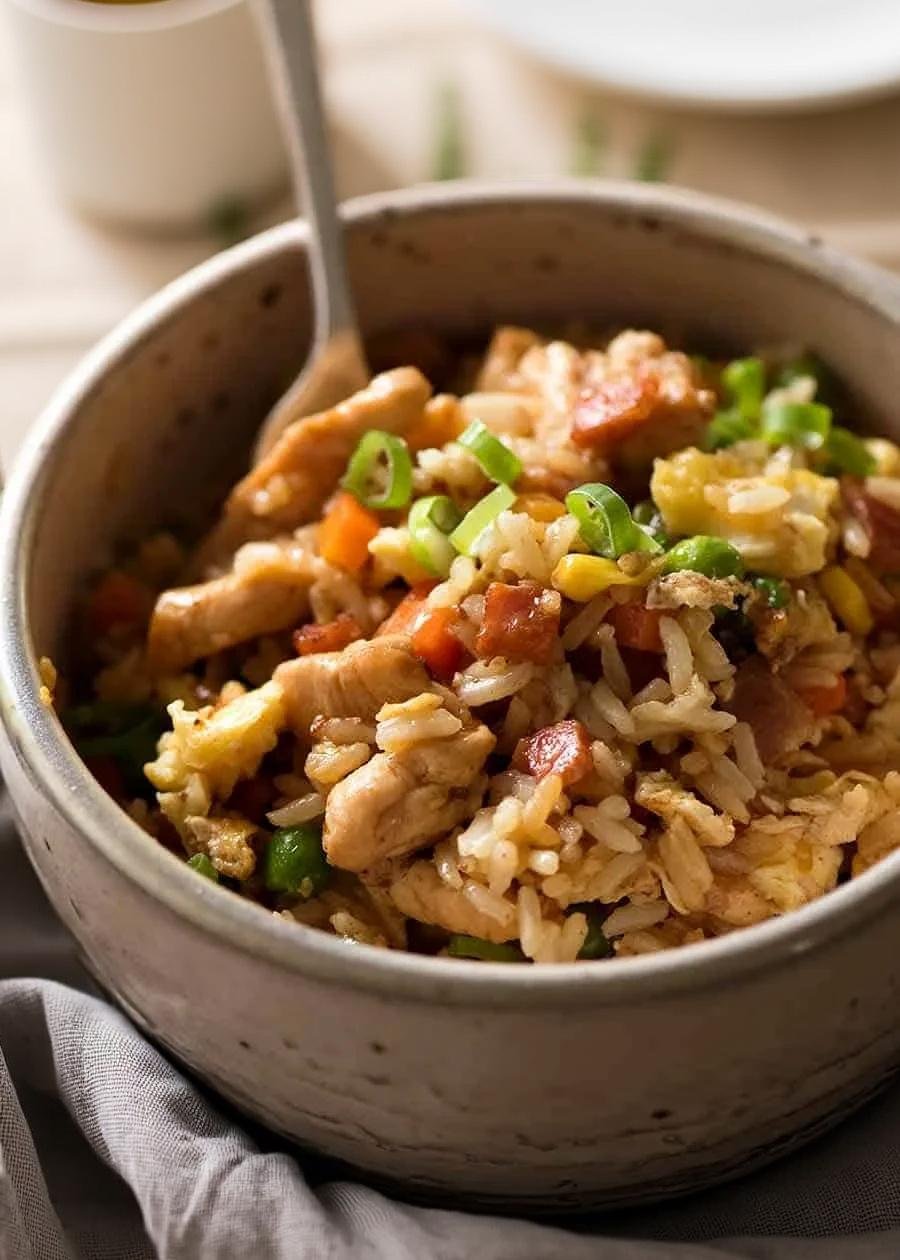
Try our chicken fried rice or one-pot chicken and rice.
Quinoa
Actually a seed, not a grain. Complete protein (unusual for plants). Good option if you're eating plant-based meals occasionally.
• Rinse well to remove bitter coating (saponins)
• 1:2 ratio quinoa to water
• Boil, then simmer 15 minutes covered
• Fluff with fork
Our spiced quinoa with feta is a solid side dish.
Oats
If you eat oats, steel-cut or rolled are better than instant. Best after exercise when your body can use the carbs. Not ideal as a daily breakfast if you're sedentary or watching blood sugar.
• Steel-cut: 1:3 ratio, simmer 20-30 minutes
• Rolled: 1:2 ratio, simmer 5 minutes
• Add butter, salt, and protein (eggs, meat) to make it more balanced
Resistant Starch Trick
Cook rice or potatoes, then refrigerate overnight. This converts some starch to "resistant starch" that doesn't spike blood sugar as much. Reheated rice in fried rice is actually better for blood sugar than fresh.
Best Protein + Grain Combinations
Grains should always accompany protein, not replace it. Here are combinations that work:
• Chicken fried rice — Egg and chicken with rice and vegetables
• Beef stir-fry with rice — Protein-heavy, rice is the side
• One-pot chicken and rice — Balanced meal, chicken is the star
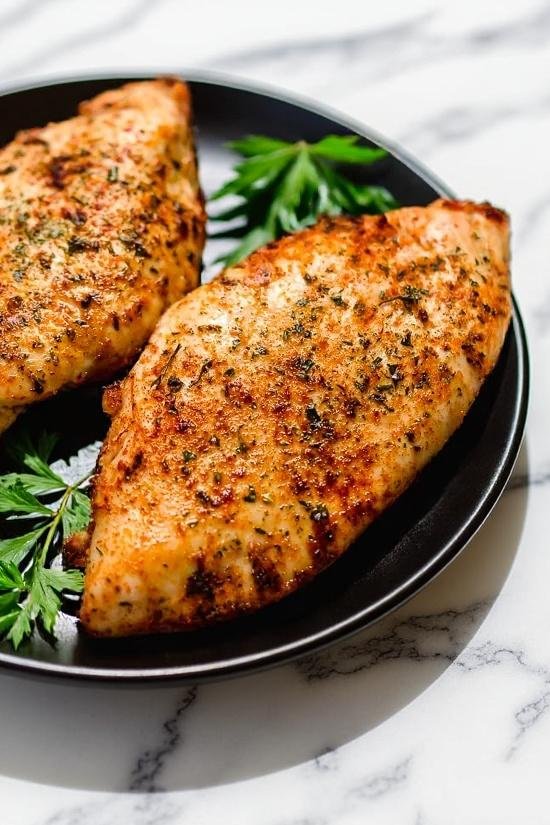
• Chicken breast with quinoa and vegetables
Portion guide:
• Protein: Palm-sized portion or more
• Grains: Fist-sized portion or less
• Vegetables: Fill the rest of the plate
This keeps carbs in check while getting adequate protein.
Bottom line: You don't need grains, but they can work in a healthy diet if you're active and tolerate them. Always pair with protein, keep portions moderate, and never make grains the main event. Protein first, grains as a supporting player.