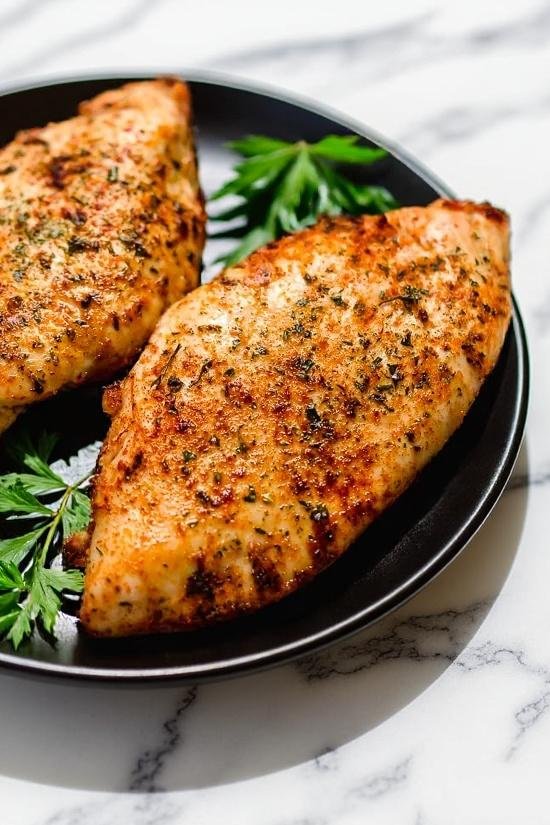
High-protein eating doesn't mean suffering through dry chicken breast for every meal. That's a failure of imagination, not nutrition. These dinners pack 40+ grams of protein while tasting like food you'd actually choose to eat.
Whether you're building muscle, recovering from training, managing weight, or just want to stay full longer, protein-focused dinners make sense. Here's how to do it without boredom.
How Much Protein Do You Actually Need?
The science has evolved. The old 0.8g per kilogram recommendation was minimum for survival, not optimal for performance or body composition. Current research suggests:
- General health: 1.2-1.6g per kg body weight
- Muscle building: 1.6-2.2g per kg body weight
- Fat loss while preserving muscle: 2.0-2.4g per kg body weight
For an 80kg person, that's roughly 100-180g of protein daily, depending on goals. Spread across three meals plus snacks, each dinner should contribute 30-50g minimum.
The Protein Timing Question
Total daily protein matters more than timing, but there's modest evidence for spreading intake evenly across meals. Your body can only synthesize so much muscle per meal (roughly 40-50g worth of protein), so eating 150g in one sitting is less efficient than splitting it. Three high-protein meals beats one massive one.
Chicken: The Protein Workhorse
Chicken remains the default protein for good reason: it's affordable, lean, and absorbs whatever flavours you add. The key is avoiding the dry, flavourless trap that gives high-protein eating a bad reputation.
The Chicken Breast Rehabilitation
Chicken breast doesn't have to be dry. The problems come from overcooking (past 74°C internal temperature) and under-seasoning. Solutions:
- Pound to even thickness. Thick parts cook slower than thin, resulting in overcooked edges by the time the centre is done.
- Brine briefly. 30 minutes in salted water adds moisture retention.
- Rest before slicing. Cutting immediately releases all the juices onto your cutting board.
- Use a thermometer. Pull at 71°C; carryover cooking takes it to 74°C.
A properly cooked chicken breast is juicy and tender. The air fryer particularly excels here—high heat crisps the outside while keeping the interior moist.
Chicken Breast Done Right
Thighs: More Flavour, Slightly More Fat
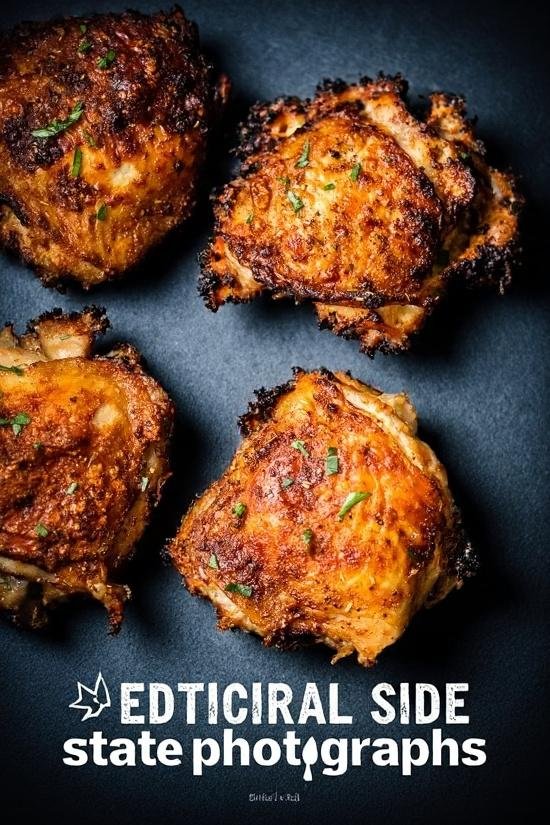
Chicken thighs contain more fat than breasts, but that fat makes them nearly impossible to overcook. The extra calories are modest (maybe 50 more per serving), and the flavour improvement is substantial. For people who don't love chicken breast, thighs are the answer.
Skin-on thighs in the air fryer develop irresistibly crispy skin while the meat stays succulent. It's the closest thing to rotisserie chicken you can make at home in 20 minutes.
Beef for Maximum Protein
Beef delivers protein with bonus iron, B12, and creatine—nutrients that support energy and recovery. Lean cuts like sirloin or rump provide excellent protein density without excessive fat.
Quick Beef Stir-Fry
Stir-fried beef over rice is a high-protein dinner in 20 minutes. The technique matters: slice against the grain, cook in batches so the pan stays hot, and add sauce at the end so it glazes rather than braises.
Add vegetables liberally—they're essentially free volume and nutrition. Broccoli, peppers, snap peas all work.
Beef Stir-Fry Options
Fish and Seafood Options
Fish provides high-quality protein with omega-3 fatty acids that most diets lack. Salmon, in particular, combines protein with healthy fats that support recovery and reduce inflammation.
Salmon: Protein Plus Omega-3s
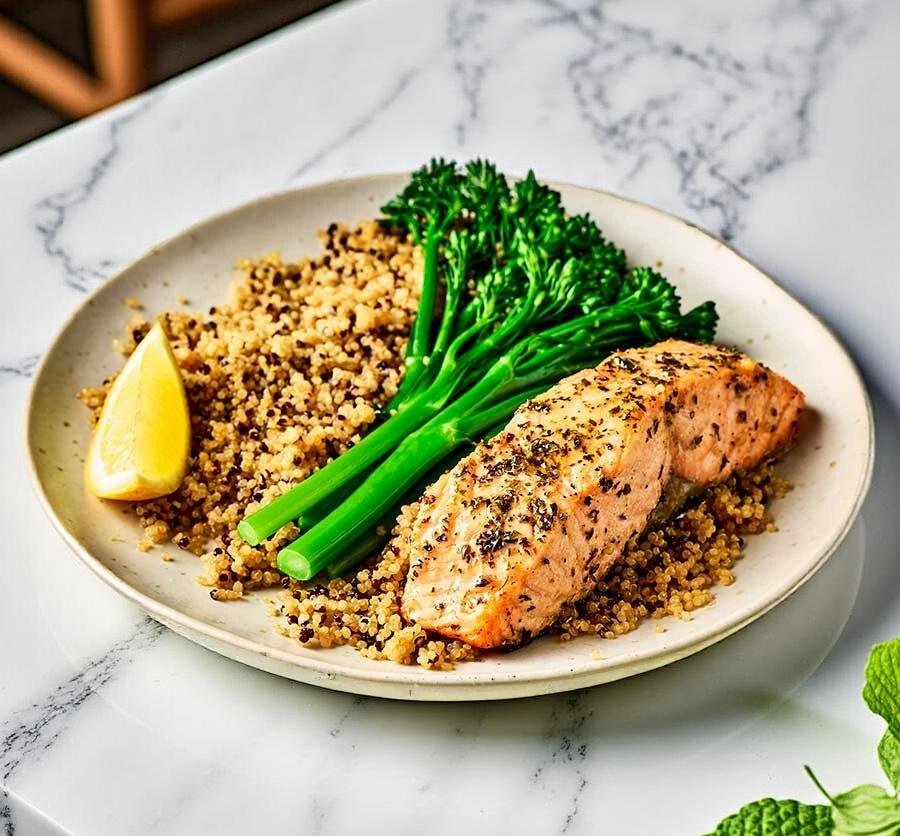
A 200g salmon fillet delivers approximately 45g of protein plus 3-4g of omega-3 fatty acids. The omega-3s aren't just health food marketing—they measurably reduce exercise-induced muscle soreness and support recovery.
Baked salmon is foolproof: 200°C for 12-15 minutes, depending on thickness. Check for flaking—when it starts to separate easily, it's done.
Shrimp: Almost Pure Protein
Shrimp are roughly 90% protein by calories—one of the most protein-dense foods available. A 200g serving provides 40g protein with minimal fat. They cook in minutes and work in everything from stir-fries to salads.
The main barrier is usually price, but frozen shrimp (often better quality than 'fresh' anyway) make this more accessible.
Building a High-Protein Plate
Protein from the main dish is the foundation, but the supporting elements matter too:
Sides That Add Protein
Not all sides are nutritional placeholders:
- Quinoa instead of rice: adds 8g protein per cup
- Black beans as a side: 15g protein per cup
- Edamame: 17g protein per cup, works as side or snack
- Greek yoghurt-based sauces: add protein while adding creaminess
Boosting Protein Without Changing the Meal
Small additions that increase protein without overhauling recipes:
- Add a fried egg on top of any bowl (6g protein)
- Include cheese where appropriate (7g per 30g)
- Scatter seeds or nuts on salads (5-7g per serving)
- Use cottage cheese instead of sour cream
The 40g Minimum Rule
For muscle protein synthesis, research suggests roughly 40g protein per meal as a practical target for most adults. Below that, you're leaving recovery potential on the table. Above that, diminishing returns kick in. Build your plate around hitting this number.
The bottom line: High-protein dinners don't require sacrifice. Properly cooked chicken, quick beef stir-fries, and simple fish preparations all deliver 40g+ protein while tasting like food you'd choose regardless of nutrition goals. Master a few techniques and high-protein eating becomes default, not effort.